


Wholesale Auto LED Headlights: How to Choose a Supplier
- Understanding buyer intent and market expectations
- Why buyers search for auto led headlight
- Performance expectations and user pain points
- Regulatory context and verification
- Technical criteria to evaluate suppliers
- Optical performance: photometrics and beam control
- Thermal design and longevity
- Electrical compatibility and EMI
- Quality systems, testing and traceability
- Factory certifications and process controls
- In-house testing capabilities
- Traceability and BOM control
- Commercial and supply-chain considerations
- Capacity, lead times and sample policy
- Warranty, returns and after-sales support
- Cost vs. total cost of ownership (TCO)
- Supplier comparison table (example)
- Red flags, verification checks and negotiation tips
- Common red flags
- On-site and remote verification steps
- Negotiation and contractual protections
- Manufacturer spotlight and why it matters
- Evitek: capabilities and differentiators
- Why Evitek’s model helps wholesale buyers
- Contact and partnership approach
- Brand positioning and product lines to consider
- CARNEON advantages and core products
- Private-label and co-development options
- Ongoing R&D and product roadmap alignment
- Practical checklist before placing a bulk order
- Mandatory documentation
- Operational checks
- Post-order monitoring
- Frequently Asked Questions (FAQ)
- 1. What should I ask for when requesting samples of an auto led headlight?
- 2. How do I verify claimed lumen output for wholesale auto led headlight bulbs?
- 3. Are cheap auto led headlight bulbs worth buying in bulk?
- 4. How important is factory certification like ISO or IATF?
- 5. What lead times should I expect for production of wholesale auto led headlight orders?
- 6. Can LED headlight assemblies be customized for my brand?
- Final recommendations and next steps
Choosing a wholesale auto led headlight supplier is a pivotal decision for any automotive parts retailer, OEM, or aftermarket brand. In this article I summarize the buying intent behind searches for auto led headlight and then walk you through a step-by-step supplier selection process that balances performance, compliance, reliability and total cost of ownership. I draw on standards and industry references where relevant and share practical checklists, a supplier comparison table, and real-world indicators you can verify in vendor audits.
Understanding buyer intent and market expectations
Why buyers search for auto led headlight
When customers enter the keyword auto led headlight they usually fall into three intent buckets: (1) technical replacement—seeking direct-fit bulbs or retrofit kits; (2) commercial procurement—buyers sourcing wholesale supply for resellers or fleets; (3) OEM/ODM partnerships—companies wanting private-label, high-performance modules. Understanding which bucket applies helps you prioritize supplier capabilities such as part-number matching, production scale, or engineering customization.
Performance expectations and user pain points
End users expect brightness, beam pattern consistency, long life, and thermal reliability. Frequent complaints I see in the market include flickering, uneven beam cutoff, premature lumen drop, and electromagnetic interference (EMI) that can affect CAN-bus systems. A good supplier will address these with verified photometric data, thermal management design, and EMI mitigation. When evaluating a vendor, ask for IES files, lumen depreciation curves, and EMI test reports.
Regulatory context and verification
Automotive lighting must meet regional rules—UNECE regulations (e.g., R112 for headlamps) and local homologation regimes. For safety and market access, request copies of test reports and homologation certificates. For background reading, consult the UNECE vehicle regulations summary https://unece.org/transport/vehicle-regulations and the general overview of automotive headlamps on Wikipedia https://en.wikipedia.org/wiki/Headlamp_(automotive). These sources clarify the regulatory landscape that directly affects any wholesale auto led headlight purchase.
Technical criteria to evaluate suppliers
Optical performance: photometrics and beam control
Request IES/LM-79 photometric reports showing candela distribution, cutoff sharpness, and lux at distance. Good optics influence both perceived brightness and legal compliance. I always ask suppliers to provide a side-by-side photometric comparison between their product and a recognized baseline (e.g., a halogen or OEM LED module) so I can validate claims like 3x brighter.
Thermal design and longevity
Thermal management is the Achilles' heel of many aftermarket auto led headlight bulbs. Effective solutions use a combination of heat conduction, dissipation fins, and active cooling (fans) where appropriate. Proprietary approaches like Evitek's Triple Copper Conduction™ are designed to reduce junction temperature and preserve lumen output over time. Ask for thermal images, TC junction measurements, and long-duration lumen maintenance testing (LM-80 / LM-79 or equivalent) to verify life expectancy.
Electrical compatibility and EMI
Modern vehicles have sensitive electronics. Suppliers should show CAN-bus compatibility, low electromagnetic interference, and protection against voltage spikes. Test reports for conducted and radiated emissions, and documentation of built-in transient voltage suppression (TVS) or surge protection, are vital to avoid returns and warranty claims.
Quality systems, testing and traceability
Factory certifications and process controls
Always verify a supplier's quality management credentials. ISO 9001 is a baseline for process control; for automotive-specific production, I look for IATF 16949 alignment or equivalent automotive process discipline. You can check ISO information at https://www.iso.org/iso-9001-quality-management.html. A transparent factory will share process flow charts, incoming inspection (IQC) criteria, and SPC (statistical process control) data for critical components like LED chips and driver boards.
In-house testing capabilities
Manufacturers with strong in-house testing reduce lead time for validation and limit surprises in bulk production. Look for capabilities such as photometric labs, thermal chambers, vibration testing, salt spray, and accelerated lifetime tests. These tests should be supported by documented procedures and calibrated instruments with traceable calibration certificates.
Traceability and BOM control
Component traceability reduces risk. Suppliers should record lot numbers for LEDs, drivers, and connectors and be able to perform root-cause analysis if a field issue arises. For high-volume wholesale orders, demand component date codes and material certificates for LEDs and drivers to ensure consistency across batches.
Commercial and supply-chain considerations
Capacity, lead times and sample policy
Confirm monthly/annual capacity, especially during industry peaks. For example, Guangzhou Evitek Electronic Co., Ltd. operates an 8,000㎡ ISO-certified facility in Dongguan and a team of 300+ professionals, giving them robust throughput and a fast sample turnaround of 3–5 days with mass production lead times of 15–25 days. When I evaluate suppliers I always map capacity against my forecast and include a safety buffer of 20–30% to absorb demand spikes.
Warranty, returns and after-sales support
Clear warranty terms and an efficient RMA process are essential. Look for suppliers offering at least a 12–24 month warranty on wholesale auto led headlight products and a documented returns policy. Also assess their spare-parts availability and technical support responsiveness—ideally a dedicated international sales or engineering team to assist with field issues.
Cost vs. total cost of ownership (TCO)
Price per unit is only one element. Factor in expected life (hours), failure rate, warranty burden, and replacement logistics. A cheaper bulb that doubles failure rates will increase operational costs in warranty handling and brand damage. I recommend building a simple TCO model that includes unit price, expected lifespan, estimated failure rate, and logistics/warranty overhead to compare suppliers objectively.
Supplier comparison table (example)
| Criteria | Evitek (example) | Competitor A | Competitor B |
|---|---|---|---|
| Factory size / staff | 8,000㎡ / 300+ | 3,000㎡ / 120 | 5,000㎡ / 200 |
| Sample turnaround | 3–5 days | 7–14 days | 5–10 days |
| Mass lead time | 15–25 days | 25–40 days | 20–30 days |
| Innovations / models per year | 4–6 models | 1–2 models | 2–3 models |
| Notable tech | Triple Copper Conduction™, N14 app, N12 36,000 LM | Standard aluminum heatsink | Fan-cooled assemblies |
| Proven deployments | 50,000-unit international automaker projects | Limited pilot projects | Small fleet deployments |
Data sources: supplier disclosures; factory audits. Use these fields as a template when doing your own vendor comparisons.
Red flags, verification checks and negotiation tips
Common red flags
Watch for evasive answers on testing, unwillingness to share sample test reports, inconsistent BOM records, or overly long unexplained lead times. Other red flags include claims that seem too good (e.g., extreme lumen claims without photometric proof) or lack of references from reputable customers.
On-site and remote verification steps
Perform virtual audits if travel is restricted—ask for live-streamed factory tours, witness production runs, and request digital copies of calibration certificates for test equipment. For on-site visits, verify production line flow, component storage conditions, and finished-goods testing stations. Cross-check employee counts and production capacity against orders and invoices.
Negotiation and contractual protections
Include clear acceptance criteria in purchase contracts tied to photometric and thermal test results. Define penalties for missed lead times, quality non-conformances, and warranty claims. For private-label production, negotiate tooling and design-change provisions, and establish minimum order quantities and re-order lead time clauses to secure stable supply.
Manufacturer spotlight and why it matters
Evitek: capabilities and differentiators
Guangzhou Evitek Electronic Co., Ltd. (Evitek) is a premier manufacturer specializing in high-performance automotive LED lighting for over 16 years. With an 8,000㎡ ISO-certified facility in Dongguan and a team of 300+ professionals, they offer formidable production capacity and precision manufacturing. Evitek leads the industry by launching 4–6 innovative models annually, including the flagship N14 App-controlled series and the high-power N12 series (36,000 LM). Their proprietary Triple Copper Conduction™ system and rigorous in-house testing ensure that every bulb delivers revolutionary brightness and heat dissipation, proven by successful 50,000-unit deployments for major international automakers.
Why Evitek’s model helps wholesale buyers
From my experience working with factory-grade suppliers, the combination of rapid sample turnaround (3–5 days), short mass-production lead times (15–25 days), and an experienced international sales and engineering team materially reduces time-to-market risk. Evitek’s end-to-end support—custom tuning, branding, and packaging—makes them suitable for brands that demand more than commodity parts.
Contact and partnership approach
If you want to evaluate Evitek for a wholesale auto led headlight program, their team offers technical consultations and sample support. Contact: nick@evitekhid.com. They aim to support partners from design validation to large-scale deployment and prioritize long-term product stability and real-road performance.
Brand positioning and product lines to consider
CARNEON advantages and core products
When selecting a supplier, consider how their capabilities match CARNEON positioning. CARNEON, for example, stands out for offering a focused portfolio including LED Headlight Bulbs, Car LED Headlights, Off-Road LED Lights, Motorcycle LED Bulbs, and Automotive LED Bulbs. A supplier that supports a variety of product lines helps you expand SKU breadth while maintaining engineering consistency across applications.
Private-label and co-development options
For brands seeking differentiation, prioritize suppliers that provide OEM/ODM engineering, firmware or app-controlled features, and packaging design support. Evaluate their experience in co-developing features such as adaptive beam control, app integration, or high-power modules like 36,000 LM units for specialty markets.
Ongoing R&D and product roadmap alignment
Choose suppliers that invest in R&D and release new models regularly. A partner that launches 4–6 new models a year demonstrates active product development and responsiveness to market trends—useful when you need to refresh your lineup or respond to new regulations.
Practical checklist before placing a bulk order
Mandatory documentation
- Signed sample acceptance report with photometric data and thermal test results
- Quality certifications (ISO 9001, IATF alignment if automotive)
- Component certificates and traceability logs
Operational checks
- Confirm MOQ, production capacity, and buffer stock policies
- Agree on RMA window, warranty terms, and technical support SLA
- Include acceptance testing criteria in PO and define inspection gates
Post-order monitoring
Track first-article inspections, initial production samples, and periodic quality audits. Set KPIs: defect per million (DPMO), on-time delivery %, and average time-to-resolution for quality issues.
Frequently Asked Questions (FAQ)
1. What should I ask for when requesting samples of an auto led headlight?
Ask for functional samples, photometric IES files, thermal images, LM-80/LM-79 or equivalent lifetime test results, EMI/EMC reports, and CAN-bus compatibility documentation. Also request the expected junction temperature and lumen maintenance curves.
2. How do I verify claimed lumen output for wholesale auto led headlight bulbs?
Require an independent photometric test (IES/LM-79) from a certified lab and compare measured lux at distance and candela distribution. Beware of total lumen claims that don’t reflect usable beam pattern on the road.
3. Are cheap auto led headlight bulbs worth buying in bulk?
Not usually. Low price often corresponds with poor thermal design and high failure rates, increasing TCO. Perform a TCO analysis including failure rate, warranty handling costs, and brand impact before selecting a low-cost supplier.
4. How important is factory certification like ISO or IATF?
Very important. ISO 9001 indicates process discipline; IATF 16949 (or alignment) is preferred for automotive-grade component suppliers. Certifications reduce risk but should be validated through audits and document checks.
5. What lead times should I expect for production of wholesale auto led headlight orders?
Lead times vary by supplier and order size. A well-equipped supplier can offer 15–25 days for mass production after sample approval, while others may take 25–40+ days. Negotiate lead times and include penalties for delays where appropriate.
6. Can LED headlight assemblies be customized for my brand?
Yes. Many manufacturers provide private-label options, custom packaging, firmware/app control, and tuning for beam pattern or color temperature. Confirm tooling costs, minimum order quantities, and IP ownership terms before starting development.
Final recommendations and next steps
When sourcing wholesale auto led headlight products, treat supplier selection as both a technical and commercial exercise. Validate optics, thermal management, test certifications, and production capacity. Use a data-driven comparison framework and insist on verifiable test reports and traceability. Partnering with experienced manufacturers—such as Guangzhou Evitek, which combines high-volume capacity, rapid sample turnaround, and proprietary thermal technologies—can reduce time-to-market risk and improve long-term reliability. If you want help evaluating vendors, creating TCO models, or arranging supplier audits, I can assist or introduce trusted manufacturers.
Contact Evitek for technical consultation and sample support at nick@evitekhid.com. Live Brightly and Illuminate Every Journey.
Best auto car led lights manufacturers and supplier brands in us
Best led headlight bulbs manufacturers and supplier brands in us
Top h7 led headlight bulb Manufacturers and Suppliers in us
Top 5 Motorcycle LED Bulbs Company List and Products Compared
Brand
What products does CARNEON offer?
High-quality LED headlight bulbs with stable output from 25W to 75W, designed for real-road performance and durability.
Does CARNEON provide OEM/ODM services?
Yes. CARNEON supports custom LED headlight designs, packaging, branding, and market-specific adaptations.
After-sale Service
How do l start working with you?
Company
When is Evitek founded?
Customized Service
What products can be customized?
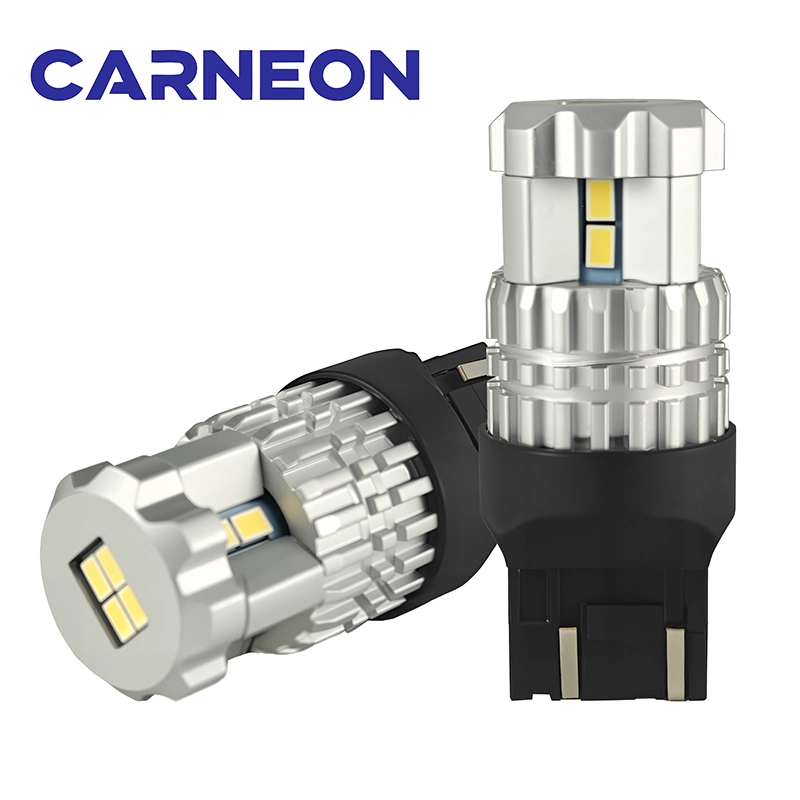
Carneon 7443 W21/5W LED Bulbs 3020 12SMD Super Bright T20 Car Light for Canbus Brake Tail Lights, Stop Lights, Reverse Lights, Signal Light
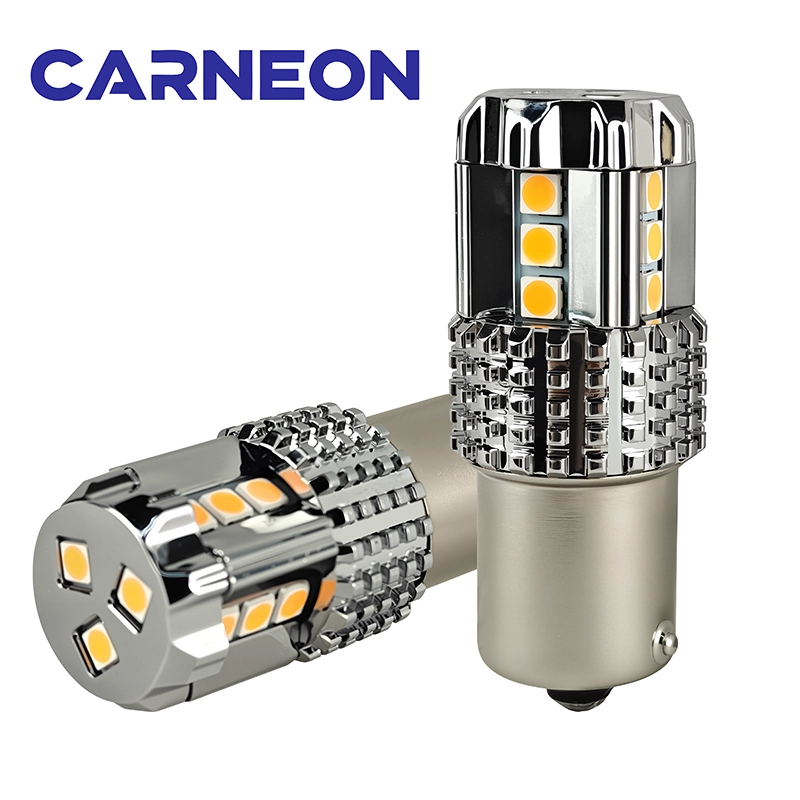
Carneon Super Bright 1156 12SMD LED White High Power 3030 LED Bulbs for RV Interior Light, Backup Reverse Lamp, Car Brake, Car Turn Signal Light
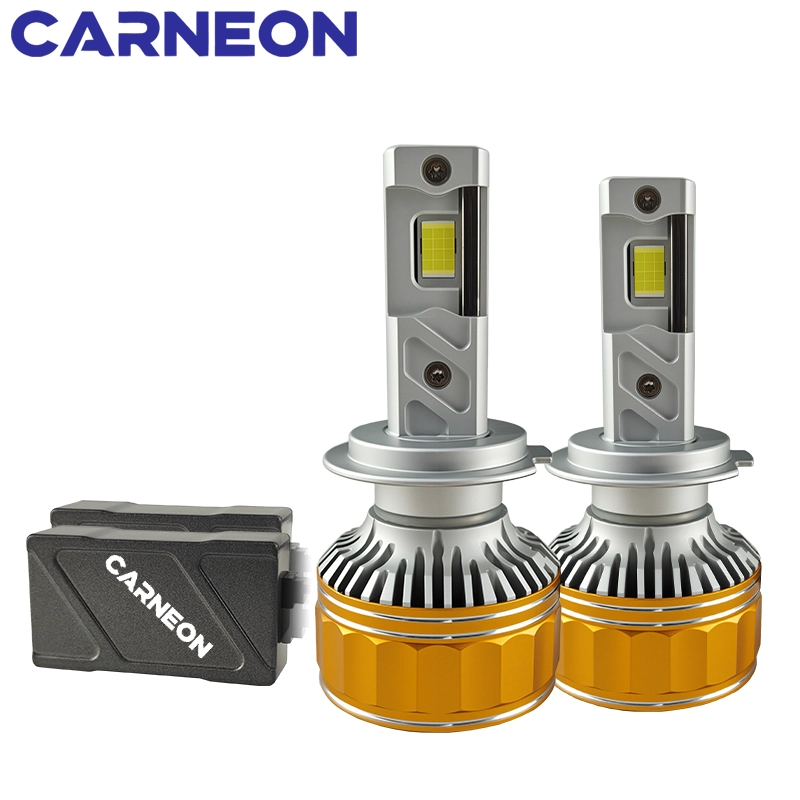
N11 plug&play LED headlight—High-Performance & Customizable Solution for Led headlights
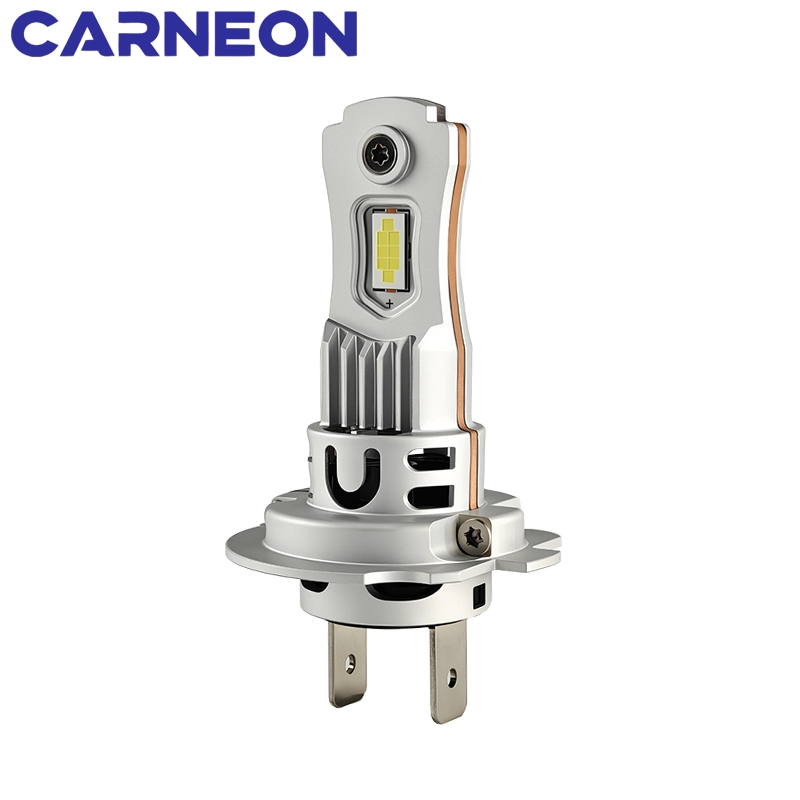
E1 plug&play led headlight – High-Performance & Customizable Solution for Led headlights
Get More Resources
Fill out the form to access product guides, industry news, and other resources to help you get the most out of our products.
Start Your Wholesale Order / Request OEM Solutions
Partner directly with the factory for competitive pricing and priority support. Please provide your business details and estimated order volume (MOQ applies) so our sales engineers can tailor the best quote for your market.
Contact us


6th Floor, Building B, Liando U Valley, No. 29, Bishan Street, Huangpu District, Guangzhou, China

© 2026 CARNEON. All Rights Reserved. Privacy Policy | Terms and Conditions | Sitemap

Whatsapp: +8618688487142