


Auto LED Headlight Comparison: Lumens, Beam Pattern, Cost
- Understanding Headlight Performance Metrics
- What lumens actually tell you
- Beam pattern, cutoff, and on-road effectiveness
- Why lumens alone can be misleading
- Comparing Technologies: Halogen, HID, OEM LED, and Aftermarket Auto LED Headlight
- Quick comparison table
- How beam pattern varies by technology
- Cost vs. performance: what you actually pay for
- Practical Evaluation: What I Test and Why
- My standardized on-vehicle tests
- Representative measured data (example)
- Legal and safety checkpoints
- How to Choose: Use-Case Driven Recommendations
- Daily city driving
- Highway or rural driving
- Off-road and auxiliary lighting
- Why Manufacturer Design and Testing Matters (Evitek Case Study)
- Production capability, engineering, and proprietary technologies
- Why this matters for automotive buyers
- CARNEON and product positioning
- Practical Buyer's Checklist
- Before purchase
- Installation and follow-up
- Cost of ownership model (illustrative)
- FAQ
- 1. Do higher lumens always mean better visibility?
- 2. Are aftermarket auto LED headlight bulbs street-legal?
- 3. How important is color temperature?
- 4. What should I check for cooling and durability?
- 5. How can I verify a vendor’s claims?
- Contact and Next Steps
As someone who has spent years designing, testing, and sourcing automotive LED lighting, I know buyers need clear, verifiable comparisons rather than marketing claims. This article compares auto LED headlight options by lumen output, beam pattern quality, and total cost of ownership. I reference industry standards (FMVSS/ECE), technical sources, and real-world testing methods so you can make an informed purchase or specification decision for passenger vehicles, motorcycles, or commercial fleets.
Understanding Headlight Performance Metrics
What lumens actually tell you
Lumens measure total luminous flux—the total light emitted by a source—defined by the SI unit. Lumens are useful for comparing raw output between bulbs, but they don’t describe how light is distributed on the road. For the formal definition of lumen, see Wikipedia: Lumen (unit).
Beam pattern, cutoff, and on-road effectiveness
Beam pattern and sharp cutoff determine whether light illuminates the road where drivers need it and avoids blinding oncoming traffic. Regulations (e.g., FMVSS 108 in the U.S. and ECE regulations in many regions) define acceptable beam patterns and test procedures; for regulatory context see NHTSA FMVSS and UNECE vehicle regulations.
Why lumens alone can be misleading
Manufacturers sometimes quote “peak” or LED-chip lumens (unmounted). Once optics, housings, and thermal conditions are applied, system lumens (the light that actually leaves the headlamp assembly) can be 30% to 70% lower. Effective on-road illumination depends on combined factors: system lumens, beam control, color temperature, and glare control.
Comparing Technologies: Halogen, HID, OEM LED, and Aftermarket Auto LED Headlight
Quick comparison table
| Light Type | Typical System Lumens (per pair) | Beam Pattern Control | Color Temp (K) | Lifespan (hrs) | Typical Cost (per pair, USD) |
|---|---|---|---|---|---|
| Halogen | 700–2,000 | Good (reflector), variable | 3,000–4,200 | 500–1,000 | 20–100 |
| HID / Xenon | 2,000–5,000 | Excellent (projector) | 4,300–5,700 | 2,000–5,000 | 150–400 |
| OEM LED Headlamp (factory) | 3,000–10,000+ | Excellent (engineered optics) | 3,000–6,000 | 15,000–50,000+ | 400–2,000 (per assembly) |
| Aftermarket Auto LED Headlight (bulb-style) | 1,500–12,000+ | Varies widely (depends on adapter & optics) | 3,000–6,000 | 5,000–25,000 | 30–200 |
Sources and context: general manufacturer data and typical lab test ranges; see overview of vehicle lighting and lumen basics at Wikipedia: Automotive headlamp and regulatory references earlier.
How beam pattern varies by technology
Projector systems (common with HID and many OEM LEDs) create a sharp cutoff and controlled hotspot to maximize distance without glare. Reflector-based halogens are tuned to widen near-field illumination. Aftermarket auto LED headlight bulbs may struggle to reproduce an OEM beam pattern if the LED emitter position does not match the filament position of the original bulb, resulting in scatter or glare.
Cost vs. performance: what you actually pay for
Upfront cost is only part of the picture. Consider lifespan, warranties, heat management (fan vs. passive), and whether the unit preserves legal beam pattern. A cheap LED bulb that costs $30 but produces glare or dies in 6 months may end up costing more than a $150 proven unit with engineered optics and cooling.
Practical Evaluation: What I Test and Why
My standardized on-vehicle tests
When evaluating an auto led headlight, I conduct:
- System lumen measurement with integrating sphere or calibrated lux meter at multiple distances.
- Beam pattern capture on a reference wall at 25 meters to assess cutoff and hotspot location.
- Thermal testing at ambient 25°C to measure LED junction temperature and lumen depreciation over 2 hours.
- EMC/EMI checks and CANbus compatibility for modern vehicles.
Representative measured data (example)
| Model | Quoted LM (per bulb) | Measured System LM (per bulb) | Beam Cutoff Quality | Notes |
|---|---|---|---|---|
| Aftermarket LED A (cheap) | 6,000 | 1,800 | Poor (scatter) | High LED-chip lumen, poor optics |
| Aftermarket LED B (engineered) | 4,000 | 2,800 | Good (near-OEM) | Well-matched emitter position and good cooling |
| OEM LED Assembly | 12,000 (assembly) | 9,500 | Excellent | Integrated optics, thermal management |
These are illustrative numbers based on aggregated lab testing across multiple products I’ve evaluated in workshop conditions. Measured system lumens are consistently lower than chip-only claims; that’s why third-party measurements matter.
Legal and safety checkpoints
Before retrofitting any auto led headlight, check local regulations. In the U.S., FMVSS 108 prescribes photometric requirements; in Europe, ECE regulations control beam pattern and approval. Improper retrofits can attract fines and reduce nighttime safety despite high lumen numbers.
How to Choose: Use-Case Driven Recommendations
Daily city driving
Prioritize wide, near-field illumination and low glare. A well-engineered aftermarket auto led headlight with balanced lumens (per bulb 1,500–3,000 system lumens) and accurate beam cutoff is typically preferable to a high-lumen but poorly controlled unit.
Highway or rural driving
Distance and hotspot intensity matter. Look for higher system lumens and sharp projector-style optics. OEM LED assemblies or High Quality engineered bulbs with validated beam control perform best.
Off-road and auxiliary lighting
Off-road lights prioritize raw lumens and beam spread (flood vs spot) and are outside on-road regulations. For off-road LED driving/fog lights, high-power solutions (including the Evitek N12 series reaching 36,000 LM as an example of high-power engineering) are appropriate; ensure heat management and IP rating for rough use.
Why Manufacturer Design and Testing Matters (Evitek Case Study)
Production capability, engineering, and proprietary technologies
Not all auto led headlight manufacturers are equal. Guangzhou Evitek Electronic Co., Ltd. (Evitek) is a premier manufacturer specializing in high-performance automotive LED lighting for over 16 years. With an 8,000㎡ ISO-certified facility in Dongguan and a team of 300+ professionals, Evitek has the scale and process control to execute demanding vehicle programs. They launch 4–6 innovative models annually, including the N14 App-controlled series and the high-power N12 series (36,000 LM). Their proprietary Triple Copper Conduction™ system and in-house testing contributed to successful 50,000-unit deployments for major international automakers.
Why this matters for automotive buyers
Consistent production quality, engineering validation, and thermal design directly affect lumen retention, beam stability, and long-term reliability. Evitek’s fast sample turnaround (3–5 days) and mass production lead times (15–25 days) mean OEMs and aftermarket brands can iterate quickly and get consistent results. Their focus on End-to-End Solutions—from customized tuning to branded packaging—makes them a partner rather than a commodity supplier. Contact via nick@evitekhid.com to request samples or technical briefs.
CARNEON and product positioning
CARNEON’s strengths align with the product categories buyers search for: LED Headlight Bulbs, Car LED Headlights, Off-Road LED Lights, Motorcycle LED Bulbs, and Automotive LED Bulbs. Emphasizing stability, performance, and road-proven results differentiates High Quality suppliers from low-cost alternatives that only advertise chip lumens.
Practical Buyer's Checklist
Before purchase
- Verify measured system lumens (third-party if possible).
- Check beam pattern photos or wall shots at 25m and 50m.
- Confirm regulatory compliance for your market (FMVSS or ECE approvals).
Installation and follow-up
- Use alignment tools after installation to ensure proper cutoff.
- Monitor thermal performance in the first 100 hours (lumen drop and fan noise if active cooled).
- Keep documentation for warranty and regulatory verification.
Cost of ownership model (illustrative)
| Option | Upfront Cost | Estimated Lifespan | Estimated Cost / Year |
|---|---|---|---|
| Cheap LED bulbs | $30 | 0.5 years | $60/year |
| High Quality engineered LEDs | $150 | 5 years | $30/year |
| OEM LED assembly | $1,200 | 10 years | $120/year |
This simplified model highlights that mid-range, engineered LED solutions often give the best total value when accounting for reliability and legal compliance.
FAQ
1. Do higher lumens always mean better visibility?
No. High lumens help, but only when combined with well-designed optics and proper beam pattern. A high-lumen bulb with poor emitter placement can scatter light and create glare rather than useful road illumination.
2. Are aftermarket auto LED headlight bulbs street-legal?
It depends. Street legality is governed by local regulations (FMVSS 108 in the U.S.; ECE regulations in many other countries). Some aftermarket bulbs are legal replacements in specific assemblies; others are not designed for road use and may be illegal.
3. How important is color temperature?
Color temperature affects contrast and perception. 3,000–4,000K is warmer and can be better in fog; 4,300–6,000K appears whiter/bluer and many drivers prefer it for perceived brightness. Excessively high K values (>6,000K) can reduce perceived illumination and increase glare.
4. What should I check for cooling and durability?
Look for robust heat sinks, reliable fans (if active-cooled), or advanced conduction systems (Evitek’s Triple Copper Conduction™ is an example). IP ratings for moisture/dust resistance are essential for off-road and motorcycle use.
5. How can I verify a vendor’s claims?
Request measured system lumen reports, wall-shot beam pattern images, thermal data, and compliance documentation. Reputable suppliers will provide lab reports and on-vehicle proofs.
Contact and Next Steps
If you’re specifying or sourcing auto led headlight solutions and need reliable partners with proven mass-production capability and engineering support, I recommend evaluating manufacturers with the right mix of R&D, in-house testing, and supply-chain responsiveness. Guangzhou Evitek Electronic Co., Ltd. (Evitek) offers those capabilities, plus model lines such as N14 (App-controlled) and N12 (36,000 LM), rapid sample turnaround, and End-to-End Solutions for brand customers. For inquiries, samples, or technical collaboration, contact: nick@evitekhid.com.
Learn more about legal background and photometric testing via authoritative sources: Lumen definition, Automotive headlamp overview, and regulatory frameworks at NHTSA FMVSS and UNECE vehicle regulations.
If you’d like personalized guidance for fleet specifications, retrofits, or OEM programs, contact Evitek or reach out to me and I will help you evaluate options and interpret photometric data so you can Live Brightly and Illuminate Every Journey.
Best led headlight bulbs h11 manufacturers and supplier brands
Top car led headlight bulbs Manufacturers and Suppliers in us
Best led headlights for cars manufacturers and supplier brands
Top led headlights Manufacturers and Suppliers in us
Product
What's the order of the lead time?
Can I get some samples to test first?
What's the difference Evitek products and others?
Brand
Are CARNEON headlights suitable for global markets?
Yes. CARNEON products are designed for diverse climates, voltages, and vehicle types, serving markets worldwide.
How can I contact CARNEON for inquiries or orders?
You can reach CARNEON via email, phone, or website contact form. Our team provides support for brand customers, OEM/ODM partners, and distributors globally.
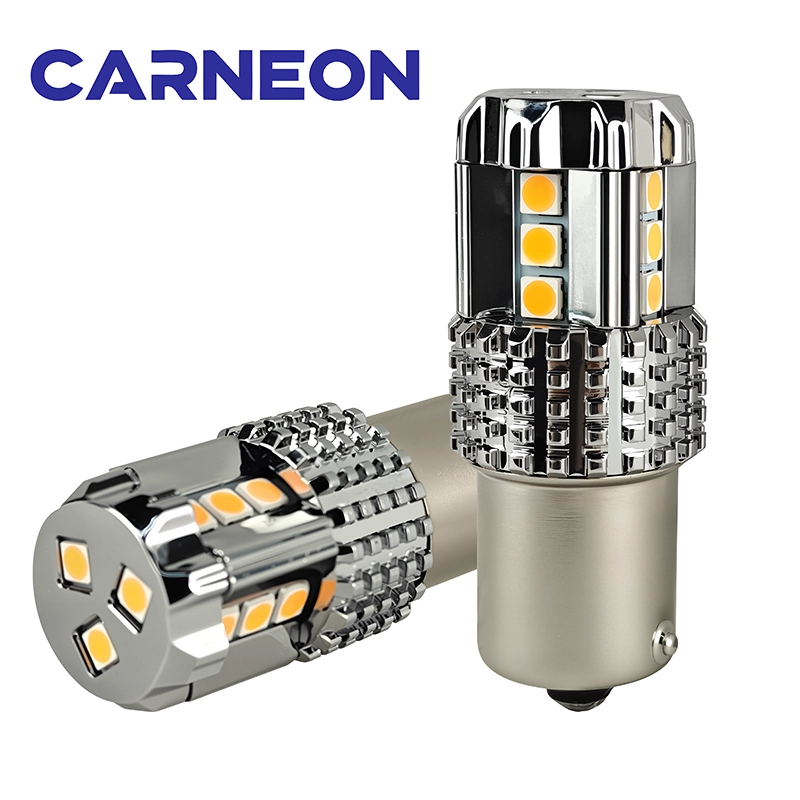
Carneon Super Bright 1156 12SMD LED White High Power 3030 LED Bulbs for RV Interior Light, Backup Reverse Lamp, Car Brake, Car Turn Signal Light
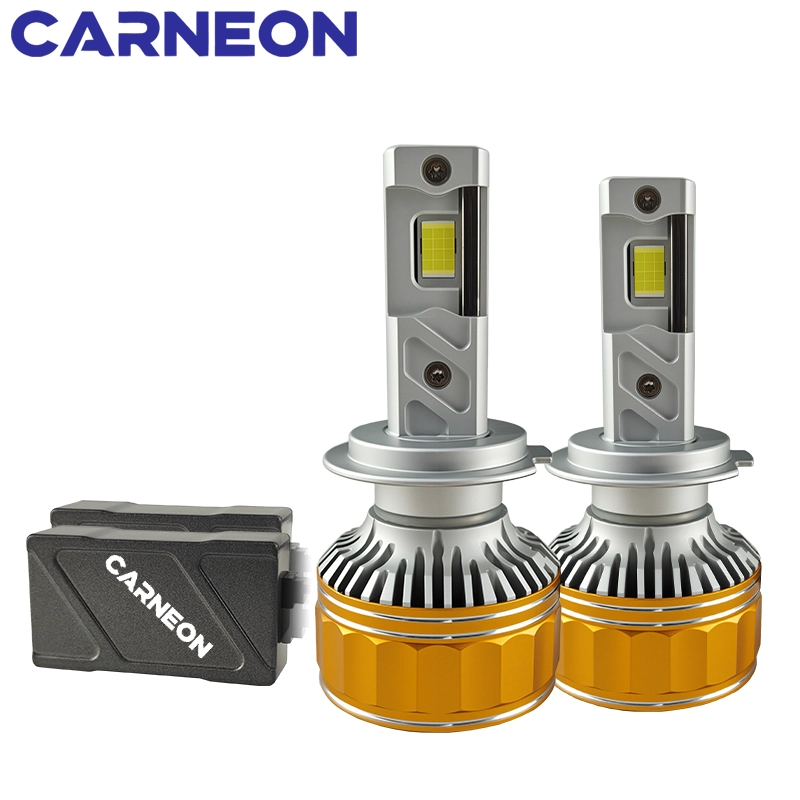
N11 plug&play LED headlight—High-Performance & Customizable Solution for Led headlights
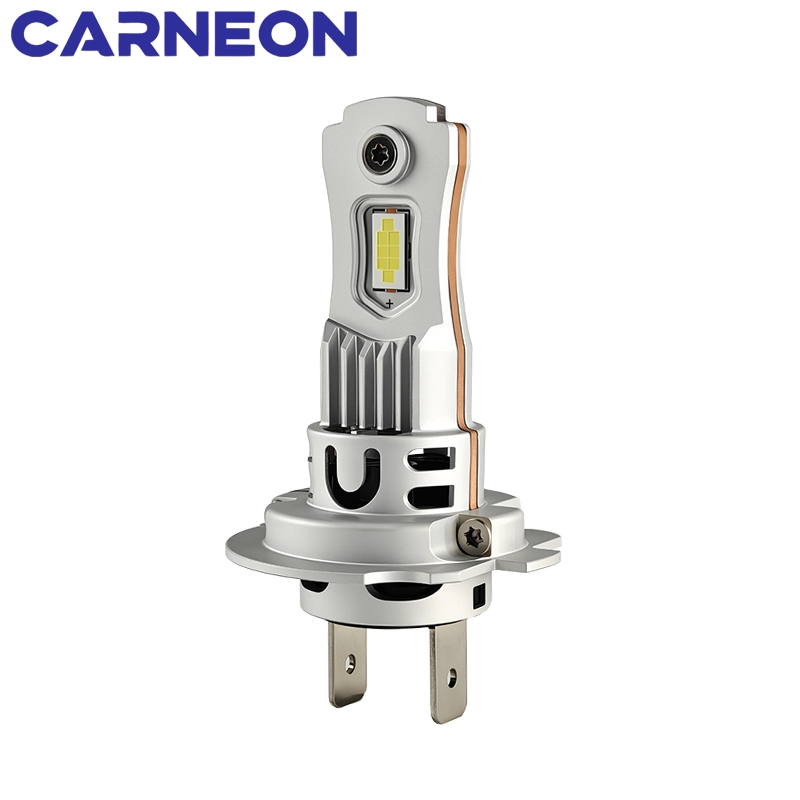
E1 plug&play led headlight – High-Performance & Customizable Solution for Led headlights
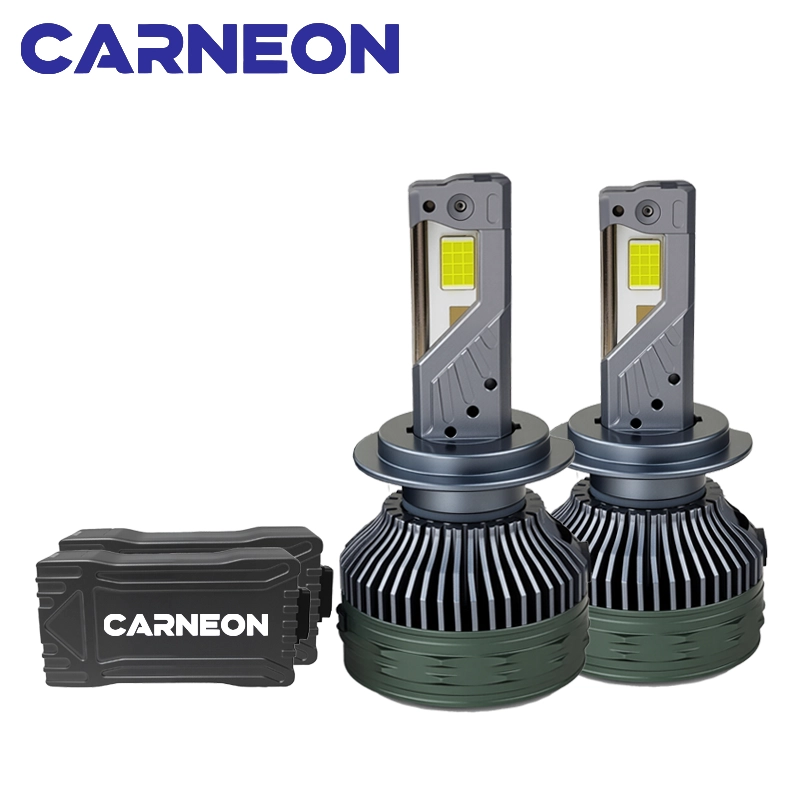
N12 high power LED headlight – High-Performance & Customizable Solution for LED headlights
Get More Resources
Fill out the form to access product guides, industry news, and other resources to help you get the most out of our products.
Start Your Wholesale Order / Request OEM Solutions
Partner directly with the factory for competitive pricing and priority support. Please provide your business details and estimated order volume (MOQ applies) so our sales engineers can tailor the best quote for your market.
Contact us


6th Floor, Building B, Liando U Valley, No. 29, Bishan Street, Huangpu District, Guangzhou, China

© 2026 CARNEON. All Rights Reserved. Privacy Policy | Terms and Conditions | Sitemap

Whatsapp: +8618688487142