


Festoon vs T10 W5W LED Bulbs: A B2B Guide to Compact Automotive Replacements
- Quick Answer
- Key Takeaways
- Separate the two physical interfaces
- Measure the festoon length correctly
- Verify the T10 wedge-base fit
- Map applications with evidence
- Compare light distribution, not only output claims
- Check electrical behavior in the vehicle
- Verified Product References
- CARNEON High-Power Festoon LED Bulb
- CARNEON FT-3030-6SMD Festoon LED Bulb
- CARNEON T10 W5W 3030 6SMD LED Bulb
- Review heat and enclosure conditions
- Design a disciplined SKU assortment
- Approve samples and packaging together
- Write an RFQ around compatibility evidence
- Final RFQ and Handover Checklist
- Discuss Your Project with CARNEON
- Festoon and T10 W5W LED Bulb FAQs
Quick Answer
Festoon and T10 W5W LED bulbs are separate replacement families. A festoon lamp uses contacts at opposite ends and is commonly organized by overall length; a T10 W5W lamp uses a wedge-base interface. Do not substitute one family for the other. CARNEON lists Festoon products across several nominal lengths and T10 W5W products using 3030 LED packages. Buyers should validate the exact socket, space, polarity behavior, light distribution and vehicle application before ordering.
Key Takeaways
- Start from the project application and operating workflow.
- Use current product evidence and identify optional or unverified items.
- Approve representative samples before volume release.
- Keep a controlled specification, test record and change log.
Separate the two physical interfaces
Identify the socket before discussing brightness or chipset. In a professional compact automotive replacement program, this decision should be made before price comparison because it changes the product configuration, supporting accessories and the work expected from the supplier. The project team should collect end-contact festoon geometry, wedge-base T10 geometry and lamp-holder photos. Put these inputs in one controlled brief, name the person responsible for each item and mark anything that remains unknown. That discipline gives engineering, purchasing, installation and operations the same basis for discussion instead of allowing each team to work from a different assumption.
Verification should produce sample fitment in the actual holder. Review the result against the proposed production version, not a generic family description, marketing image or earlier sample. Record the model, configuration, date, reviewer and any deviation so a later order can be traced back to the approval decision. The main failure to avoid is treating similar applications as physical compatibility. If the available evidence does not answer the project question, keep the item open, request clarification or run a representative test; do not convert an uncertainty into a product claim.
- Input: end-contact festoon geometry, wedge-base T10 geometry and lamp-holder photos
- Evidence: sample fitment in the actual holder
- Release gate: update the validated SKU and application matrix before purchase or deployment.
Measure the festoon length correctly
Control the dimension that determines contact engagement. In a professional compact automotive replacement program, this decision should be made before price comparison because it changes the product configuration, supporting accessories and the work expected from the supplier. The project team should collect overall length, end-cap shape, spring pressure and housing clearance. Put these inputs in one controlled brief, name the person responsible for each item and mark anything that remains unknown. That discipline gives engineering, purchasing, installation and operations the same basis for discussion instead of allowing each team to work from a different assumption.
Verification should produce caliper record and holder fit test. Review the result against the proposed production version, not a generic family description, marketing image or earlier sample. Record the model, configuration, date, reviewer and any deviation so a later order can be traced back to the approval decision. The main failure to avoid is rounding 31, 36, 39, 41 and 42 mm into one SKU. If the available evidence does not answer the project question, keep the item open, request clarification or run a representative test; do not convert an uncertainty into a product claim.
- Input: overall length, end-cap shape, spring pressure and housing clearance
- Evidence: caliper record and holder fit test
- Release gate: update the validated SKU and application matrix before purchase or deployment.
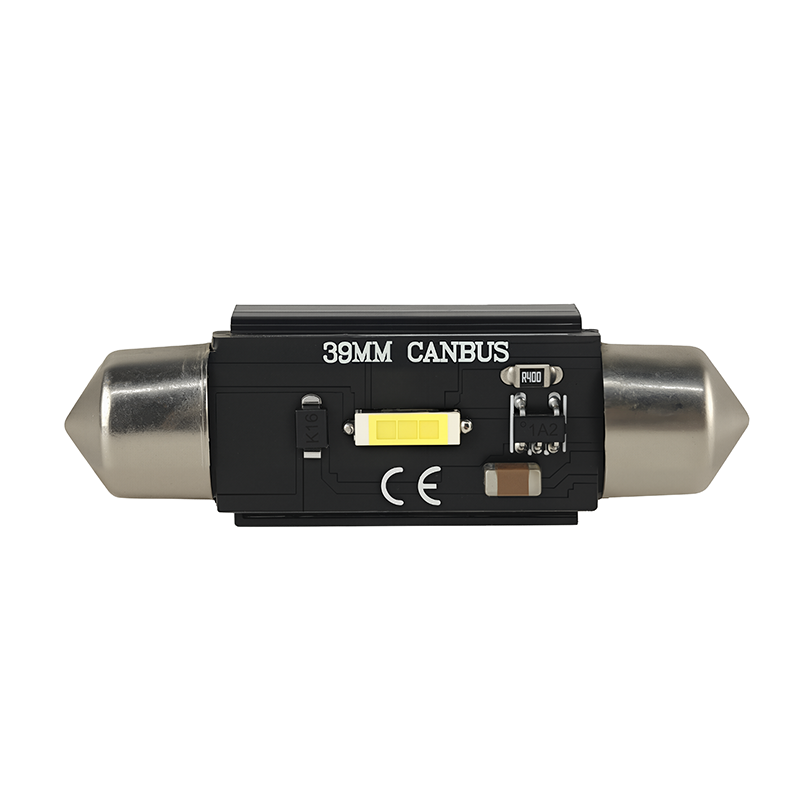
36mm CARNEON festoon LED bulb form factor
Verify the T10 wedge-base fit
Check insertion, contact and surrounding clearance. In a professional compact automotive replacement program, this decision should be made before price comparison because it changes the product configuration, supporting accessories and the work expected from the supplier. The project team should collect base width, conductor position, body diameter and socket depth. Put these inputs in one controlled brief, name the person responsible for each item and mark anything that remains unknown. That discipline gives engineering, purchasing, installation and operations the same basis for discussion instead of allowing each team to work from a different assumption.
Verification should produce retention, electrical contact and removal test. Review the result against the proposed production version, not a generic family description, marketing image or earlier sample. Record the model, configuration, date, reviewer and any deviation so a later order can be traced back to the approval decision. The main failure to avoid is assuming every W5W-style socket has the same space. If the available evidence does not answer the project question, keep the item open, request clarification or run a representative test; do not convert an uncertainty into a product claim.
- Input: base width, conductor position, body diameter and socket depth
- Evidence: retention, electrical contact and removal test
- Release gate: update the validated SKU and application matrix before purchase or deployment.
Map applications with evidence
Build a vehicle and lamp-position table from confirmed installations. In a professional compact automotive replacement program, this decision should be made before price comparison because it changes the product configuration, supporting accessories and the work expected from the supplier. The project team should collect vehicle, year, trim, lamp position, original reference and result. Put these inputs in one controlled brief, name the person responsible for each item and mark anything that remains unknown. That discipline gives engineering, purchasing, installation and operations the same basis for discussion instead of allowing each team to work from a different assumption.
Verification should produce dated fitment record and photos. Review the result against the proposed production version, not a generic family description, marketing image or earlier sample. Record the model, configuration, date, reviewer and any deviation so a later order can be traced back to the approval decision. The main failure to avoid is copying uncontrolled online fitment lists. If the available evidence does not answer the project question, keep the item open, request clarification or run a representative test; do not convert an uncertainty into a product claim.
- Input: vehicle, year, trim, lamp position, original reference and result
- Evidence: dated fitment record and photos
- Release gate: update the validated SKU and application matrix before purchase or deployment.
Compare light distribution, not only output claims
Match emitting surfaces to reflector and lens geometry. In a professional compact automotive replacement program, this decision should be made before price comparison because it changes the product configuration, supporting accessories and the work expected from the supplier. The project team should collect radial versus forward emission, diffuser, glare and dark zones. Put these inputs in one controlled brief, name the person responsible for each item and mark anything that remains unknown. That discipline gives engineering, purchasing, installation and operations the same basis for discussion instead of allowing each team to work from a different assumption.
Verification should produce installed visual comparison at fixed exposure. Review the result against the proposed production version, not a generic family description, marketing image or earlier sample. Record the model, configuration, date, reviewer and any deviation so a later order can be traced back to the approval decision. The main failure to avoid is ranking bulbs only by SMD count. If the available evidence does not answer the project question, keep the item open, request clarification or run a representative test; do not convert an uncertainty into a product claim.
- Input: radial versus forward emission, diffuser, glare and dark zones
- Evidence: installed visual comparison at fixed exposure
- Release gate: update the validated SKU and application matrix before purchase or deployment.
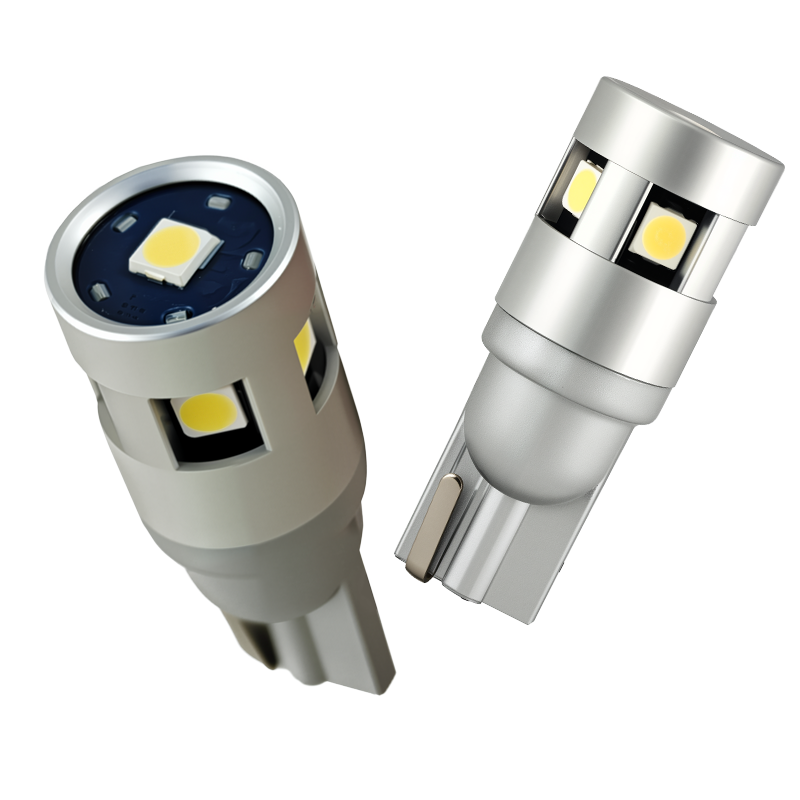
CARNEON T10 W5W wedge-base LED bulb
Check electrical behavior in the vehicle
Verify polarity and monitoring response on representative platforms. In a professional compact automotive replacement program, this decision should be made before price comparison because it changes the product configuration, supporting accessories and the work expected from the supplier. The project team should collect system voltage, socket polarity, PWM or lamp monitoring and observed errors. Put these inputs in one controlled brief, name the person responsible for each item and mark anything that remains unknown. That discipline gives engineering, purchasing, installation and operations the same basis for discussion instead of allowing each team to work from a different assumption.
Verification should produce cold and warm start test plus warning check. Review the result against the proposed production version, not a generic family description, marketing image or earlier sample. Record the model, configuration, date, reviewer and any deviation so a later order can be traced back to the approval decision. The main failure to avoid is using “CANBUS” as a universal guarantee. If the available evidence does not answer the project question, keep the item open, request clarification or run a representative test; do not convert an uncertainty into a product claim.
- Input: system voltage, socket polarity, PWM or lamp monitoring and observed errors
- Evidence: cold and warm start test plus warning check
- Release gate: update the validated SKU and application matrix before purchase or deployment.
Verified Product References
The following product cards use current product URLs and images from CARNEON. They are reference candidates for the project workflow; the final order still requires configuration-specific confirmation.
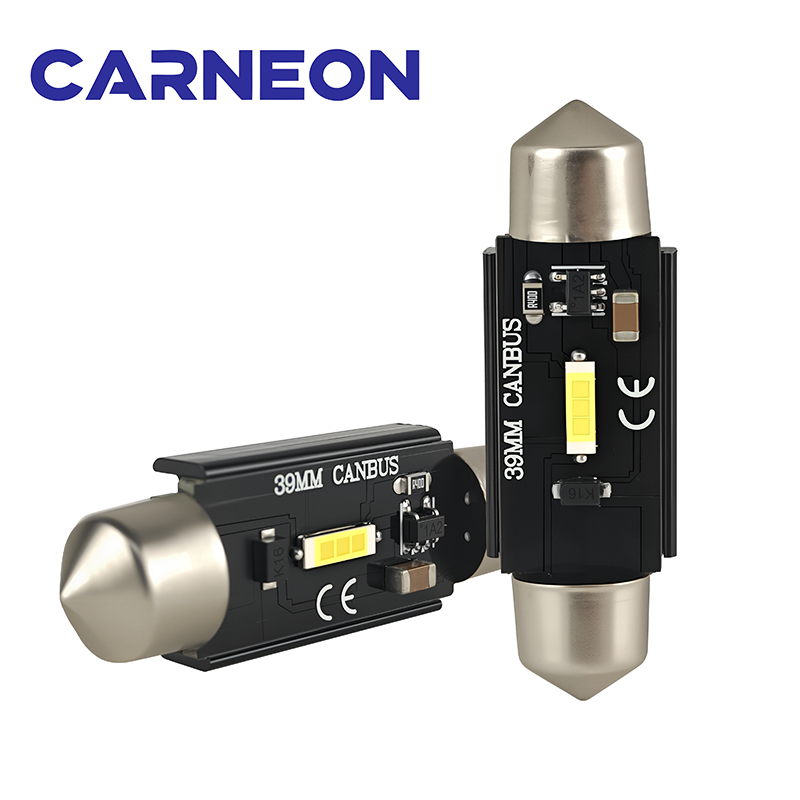
CARNEON High-Power Festoon LED Bulb
Open the verified product page to review the current description, images and available configuration information before using this model in an RFQ.
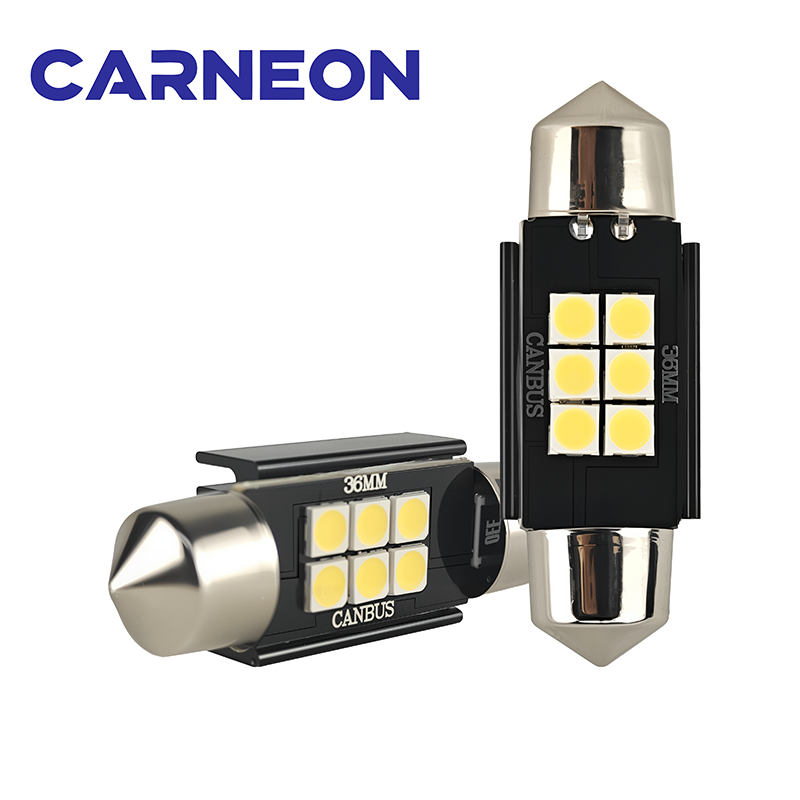
CARNEON FT-3030-6SMD Festoon LED Bulb
Open the verified product page to review the current description, images and available configuration information before using this model in an RFQ.
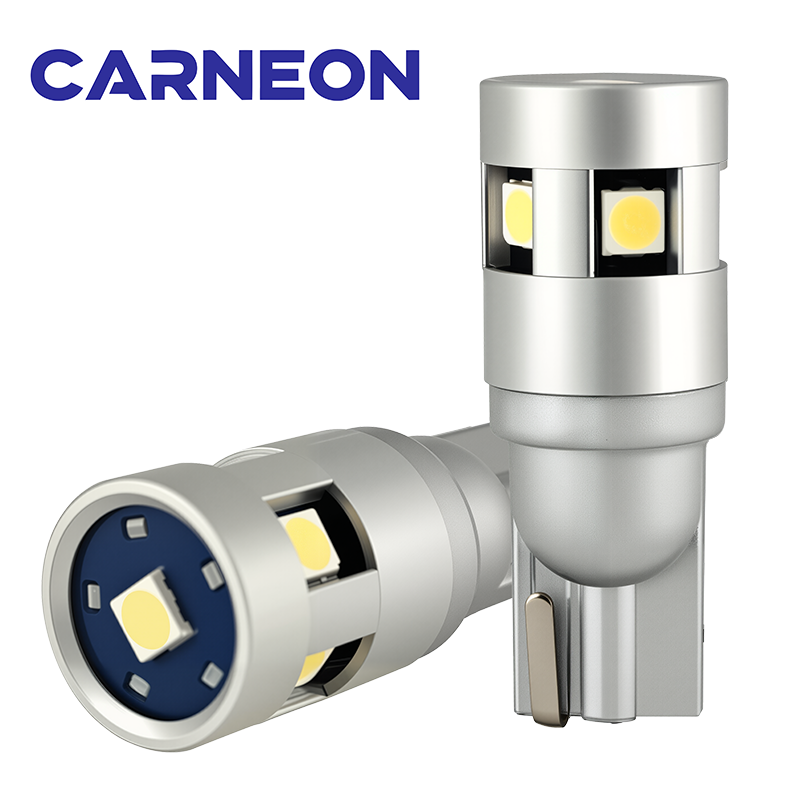
CARNEON T10 W5W 3030 6SMD LED Bulb
Open the verified product page to review the current description, images and available configuration information before using this model in an RFQ.
Review heat and enclosure conditions
Observe temperature within the actual compact lamp housing. In a professional compact automotive replacement program, this decision should be made before price comparison because it changes the product configuration, supporting accessories and the work expected from the supplier. The project team should collect enclosure volume, duty duration, nearby materials and ventilation. Put these inputs in one controlled brief, name the person responsible for each item and mark anything that remains unknown. That discipline gives engineering, purchasing, installation and operations the same basis for discussion instead of allowing each team to work from a different assumption.
Verification should produce stabilized operating test and post-test inspection. Review the result against the proposed production version, not a generic family description, marketing image or earlier sample. Record the model, configuration, date, reviewer and any deviation so a later order can be traced back to the approval decision. The main failure to avoid is assuming a small bulb cannot create local heat. If the available evidence does not answer the project question, keep the item open, request clarification or run a representative test; do not convert an uncertainty into a product claim.
- Input: enclosure volume, duty duration, nearby materials and ventilation
- Evidence: stabilized operating test and post-test inspection
- Release gate: update the validated SKU and application matrix before purchase or deployment.
Design a disciplined SKU assortment
Cover real demand without creating near-duplicate inventory. In a professional compact automotive replacement program, this decision should be made before price comparison because it changes the product configuration, supporting accessories and the work expected from the supplier. The project team should collect festoon lengths, T10 output tiers, target vehicles and packaging quantity. Put these inputs in one controlled brief, name the person responsible for each item and mark anything that remains unknown. That discipline gives engineering, purchasing, installation and operations the same basis for discussion instead of allowing each team to work from a different assumption.
Verification should produce sales history, application coverage and sample evidence. Review the result against the proposed production version, not a generic family description, marketing image or earlier sample. Record the model, configuration, date, reviewer and any deviation so a later order can be traced back to the approval decision. The main failure to avoid is adding variants without a distinct use case. If the available evidence does not answer the project question, keep the item open, request clarification or run a representative test; do not convert an uncertainty into a product claim.
- Input: festoon lengths, T10 output tiers, target vehicles and packaging quantity
- Evidence: sales history, application coverage and sample evidence
- Release gate: update the validated SKU and application matrix before purchase or deployment.
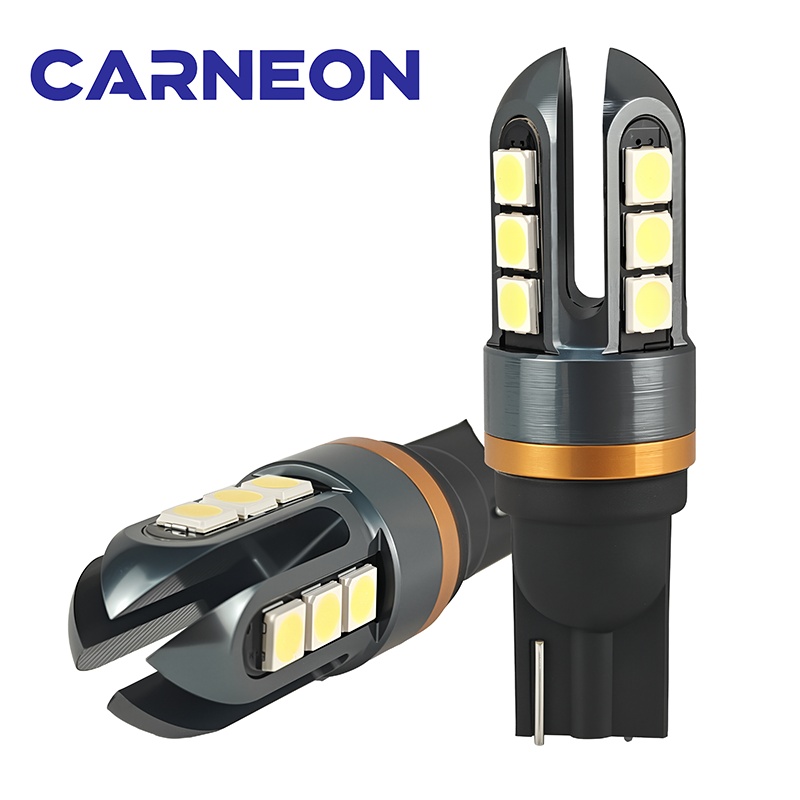
CARNEON T10 W5W 12-SMD LED bulb product view
Approve samples and packaging together
Protect model identity through receiving and resale. In a professional compact automotive replacement program, this decision should be made before price comparison because it changes the product configuration, supporting accessories and the work expected from the supplier. The project team should collect SKU label, dimensions, polarity marking, pack quantity and protection. Put these inputs in one controlled brief, name the person responsible for each item and mark anything that remains unknown. That discipline gives engineering, purchasing, installation and operations the same basis for discussion instead of allowing each team to work from a different assumption.
Verification should produce sealed sample, barcode check and drop/handling review. Review the result against the proposed production version, not a generic family description, marketing image or earlier sample. Record the model, configuration, date, reviewer and any deviation so a later order can be traced back to the approval decision. The main failure to avoid is approving the bulb but not the production label. If the available evidence does not answer the project question, keep the item open, request clarification or run a representative test; do not convert an uncertainty into a product claim.
- Input: SKU label, dimensions, polarity marking, pack quantity and protection
- Evidence: sealed sample, barcode check and drop/handling review
- Release gate: update the validated SKU and application matrix before purchase or deployment.
Write an RFQ around compatibility evidence
Ask suppliers to respond to a controlled matrix. In a professional compact automotive replacement program, this decision should be made before price comparison because it changes the product configuration, supporting accessories and the work expected from the supplier. The project team should collect target sockets, dimensions, applications, samples, packaging and change rules. Put these inputs in one controlled brief, name the person responsible for each item and mark anything that remains unknown. That discipline gives engineering, purchasing, installation and operations the same basis for discussion instead of allowing each team to work from a different assumption.
Verification should produce completed compliance sheet and deviation list. Review the result against the proposed production version, not a generic family description, marketing image or earlier sample. Record the model, configuration, date, reviewer and any deviation so a later order can be traced back to the approval decision. The main failure to avoid is requesting one universal interior LED bulb. If the available evidence does not answer the project question, keep the item open, request clarification or run a representative test; do not convert an uncertainty into a product claim.
- Input: target sockets, dimensions, applications, samples, packaging and change rules
- Evidence: completed compliance sheet and deviation list
- Release gate: update the validated SKU and application matrix before purchase or deployment.
Final RFQ and Handover Checklist
| Control | Required record |
|---|---|
| Application | Site, use case, quantities and operating conditions |
| Configuration | Exact model, options, accessories and exclusions |
| Evidence | Drawings, datasheets, sample results and deviations |
| Release | Approved version, change owner and receiving criteria |
Discuss Your Project with CARNEON
Share the application, quantities, drawings or site information available for your project. The next step is to compare those requirements with a current product configuration and agree on the evidence needed for sample approval and production release.
Festoon and T10 W5W LED Bulb FAQs
What is the physical difference between festoon and T10 W5W LED bulbs?
A festoon bulb has contacts at opposite ends of a cylindrical body, while a T10/W5W replacement normally uses a wedge base. They use different holders, so choose by the original lamp's form factor, dimensions, contact arrangement, and application.
Are different festoon bulb lengths interchangeable?
No. Common listings may include lengths such as 31, 36, 39, 41, or 42 mm, but the vehicle holder is designed for a specific fit range and contact geometry. Measure the original bulb's overall length and confirm the product drawing before ordering.
Does a W5W or T10 label guarantee that an LED replacement will fit?
No. The label alone does not confirm socket tolerance, lamp envelope, polarity, available space, light distribution, or vehicle application. Compare the original bulb and holder with the exact replacement drawing.
Does CANBUS compatibility guarantee no warning messages in every vehicle?
No. Vehicle lamp-monitoring strategies vary by make, model, year, and circuit. Treat CANBUS claims as configuration-specific and test the proposed bulb in representative vehicles, including cold and warm operating states.
What should be checked during sample validation?
Check mechanical fit, contact pressure, polarity behavior, warning messages, flicker, light distribution, color consistency, heat behavior, cover clearance, installation effort, and operation over a representative duty cycle.
What information should a distributor include in an LED bulb RFQ?
List the form factor, exact dimensions, voltage, vehicle makes and model years or target applications, installation position, color and output objective, warning-cancellation requirement, quantity by SKU, packaging, labeling, compliance needs, sample plan, and change-control requirements.
Recommended for you

Commercial Vehicle LED Headlight Vibration and Water-Ingress Fleet Acceptance

Commercial Vehicle LED Headlight Thermal Management and Fleet Validation
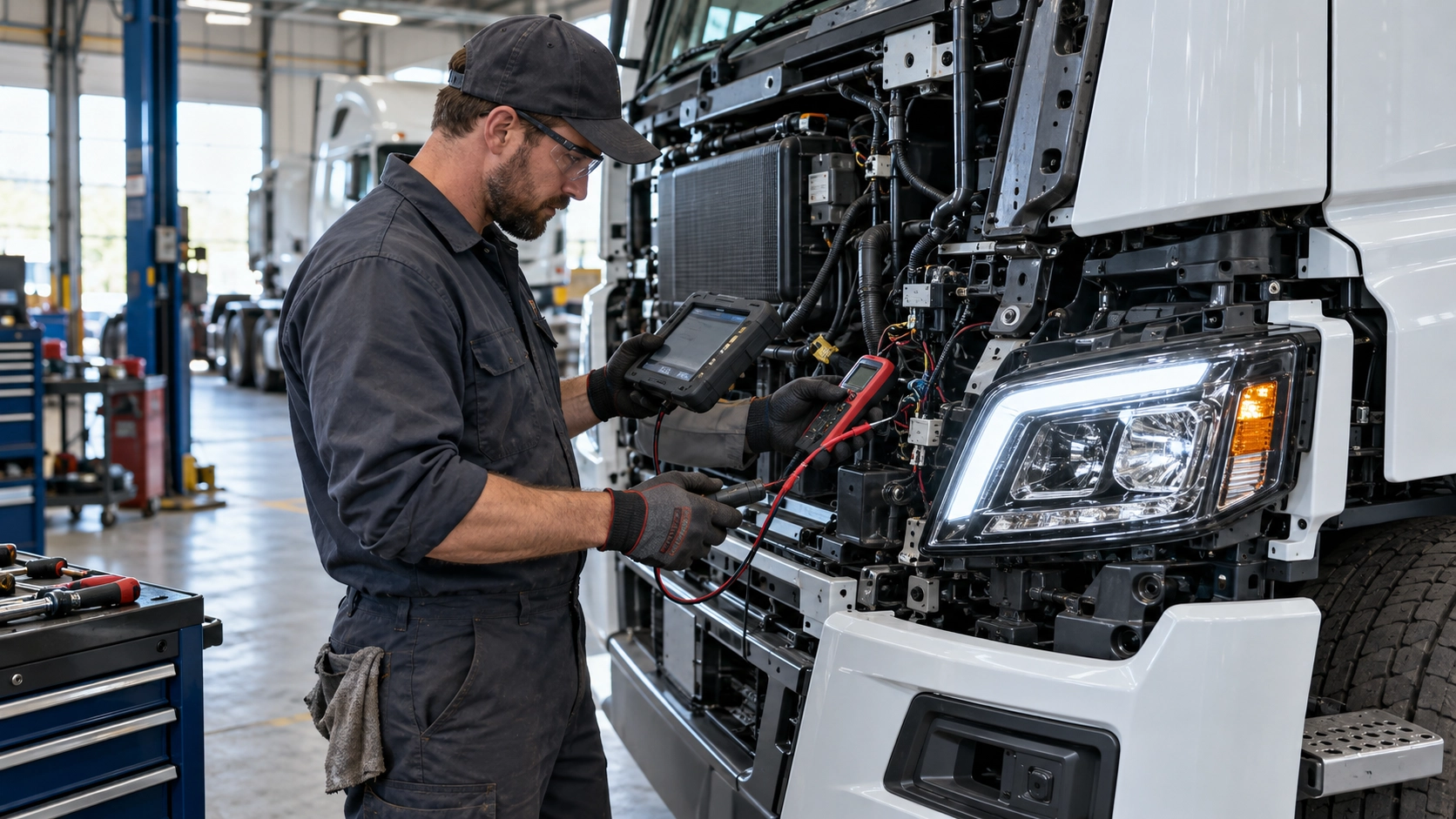
CAN Bus Compatibility Testing for Commercial Vehicle LED Headlights
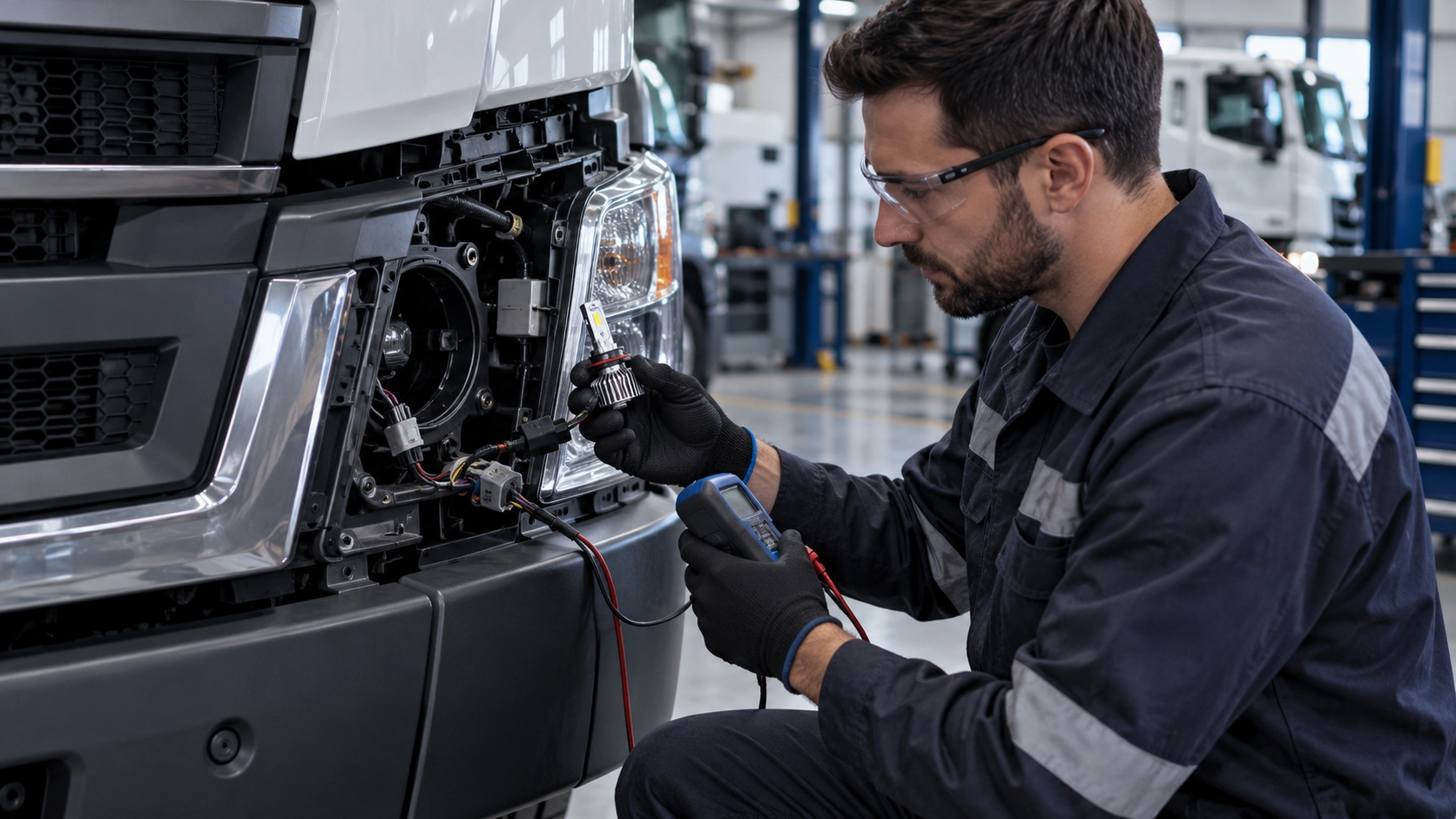
24V LED Headlights for Commercial Vehicles: Compatibility and Fleet Validation
You May Also Like
Get More Resources
If you have any comments or good suggestions, please leave us a message, later our professional staff will contact you as soon as possible.
Start Your Wholesale Order / Request OEM Solutions
Partner directly with the factory for competitive pricing and priority support. Please provide your business details and estimated order volume (MOQ applies) so our sales engineers can tailor the best quote for your market.
Contact us


6th Floor, Building B, Liando U Valley, No. 29, Bishan Street, Huangpu District, Guangzhou, China

© 2026 CARNEON. All Rights Reserved. Privacy Policy | Terms and Conditions | Sitemap

Whatsapp: +8618688487142