


Commercial vehicle LED headlights must be approved as a vehicle-system component. Fitment, beam pattern, electrical behavior, thermal clearance and service conditions all require verification on representative vehicles.
Build a Vehicle and Headlamp Fitment Matrix
Record vehicle make, model, production year, regional version, headlamp housing, original bulb base, connector, rear-cover depth and nominal electrical system. The decision should be made from the actual application rather than a generic market label. Buyers should define the operating environment, interfaces, constraints and acceptance result before comparing quotations. This prevents a visually similar product from being treated as technically equivalent when its installation, control or service conditions are different.
Base names alone do not confirm that an LED source fits the enclosure, locks correctly or works with the vehicle electronics. The commercial risk is not limited to the initial unit price. Incorrect assumptions can create rework, extra accessories, inconsistent field behavior, warranty disputes and inventory that cannot be used across the intended project. Every claim that affects selection should therefore be tied to the exact model, configuration and documented test condition.
Use sample photographs, measured dimensions, original-bulb markings and a representative vehicle from each fitment group. Evidence should be captured in a controlled record that identifies the sample, settings, environment, instruments or observations and the person responsible for approval. Photographs, drawings and measurements are most useful when they are repeatable. Subjective comments may supplement the record, but they should not replace defined pass and fail criteria.
Publish compatibility only for the vehicle and product combinations that complete the agreed checks. Procurement, engineering, installation and service teams should use the same approved baseline. If a component, drawing, firmware, material, optical element, hardware item or packaging method changes, the affected checks should be repeated before the revised product is accepted. This change-control discipline protects repeat orders and reduces uncertainty during troubleshooting.
Control Beam Pattern and Glare
The LED emitting surface must interact correctly with the reflector or projector that was designed around the original source position. The decision should be made from the actual application rather than a generic market label. Buyers should define the operating environment, interfaces, constraints and acceptance result before comparing quotations. This prevents a visually similar product from being treated as technically equivalent when its installation, control or service conditions are different.
A bright bulb with the wrong focal position can create scatter, dark zones, excessive foreground light or glare above the intended pattern. The commercial risk is not limited to the initial unit price. Incorrect assumptions can create rework, extra accessories, inconsistent field behavior, warranty disputes and inventory that cannot be used across the intended project. Every claim that affects selection should therefore be tied to the exact model, configuration and documented test condition.
Use a marked screen, fixed distance, controlled camera exposure, vehicle loading condition and recorded aim for comparative testing. Evidence should be captured in a controlled record that identifies the sample, settings, environment, instruments or observations and the person responsible for approval. Photographs, drawings and measurements are most useful when they are repeatable. Subjective comments may supplement the record, but they should not replace defined pass and fail criteria.
Approve cutoff, hotspot, distribution and road observation together rather than ranking samples by apparent brightness. Procurement, engineering, installation and service teams should use the same approved baseline. If a component, drawing, firmware, material, optical element, hardware item or packaging method changes, the affected checks should be repeated before the revised product is accepted. This change-control discipline protects repeat orders and reduces uncertainty during troubleshooting.
Verify Voltage, Driver and Diagnostic Behavior
Supply conditions change during cranking, charging and load switching, while lamp monitoring can use pulses or diagnostic circuits. The decision should be made from the actual application rather than a generic market label. Buyers should define the operating environment, interfaces, constraints and acceptance result before comparing quotations. This prevents a visually similar product from being treated as technically equivalent when its installation, control or service conditions are different.
Unverified products may flicker, start late, trigger warnings or require an external decoder that has nowhere safe to mount. The commercial risk is not limited to the initial unit price. Incorrect assumptions can create rework, extra accessories, inconsistent field behavior, warranty disputes and inventory that cannot be used across the intended project. Every claim that affects selection should therefore be tied to the exact model, configuration and documented test condition.
Record cold and hot starts, warning indicators, fault codes where available, supply behavior and any adapter used on the exact vehicle. Evidence should be captured in a controlled record that identifies the sample, settings, environment, instruments or observations and the person responsible for approval. Photographs, drawings and measurements are most useful when they are repeatable. Subjective comments may supplement the record, but they should not replace defined pass and fail criteria.
Keep every decoder, cable and mounting instruction in the approved bill of materials. Procurement, engineering, installation and service teams should use the same approved baseline. If a component, drawing, firmware, material, optical element, hardware item or packaging method changes, the affected checks should be repeated before the revised product is accepted. This change-control discipline protects repeat orders and reduces uncertainty during troubleshooting.
| Decision field | Required evidence | Release point |
|---|---|---|
| Fitment and locking | Measured sample and housing check | Rear cover closes without interference |
| Beam distribution | Marked-screen and road record | Pattern and aim accepted |
| Vehicle electronics | Start, flicker and warning check | No unresolved diagnostic issue |
| Thermal operation | Stabilized housing test | No abnormal reduction or interference |
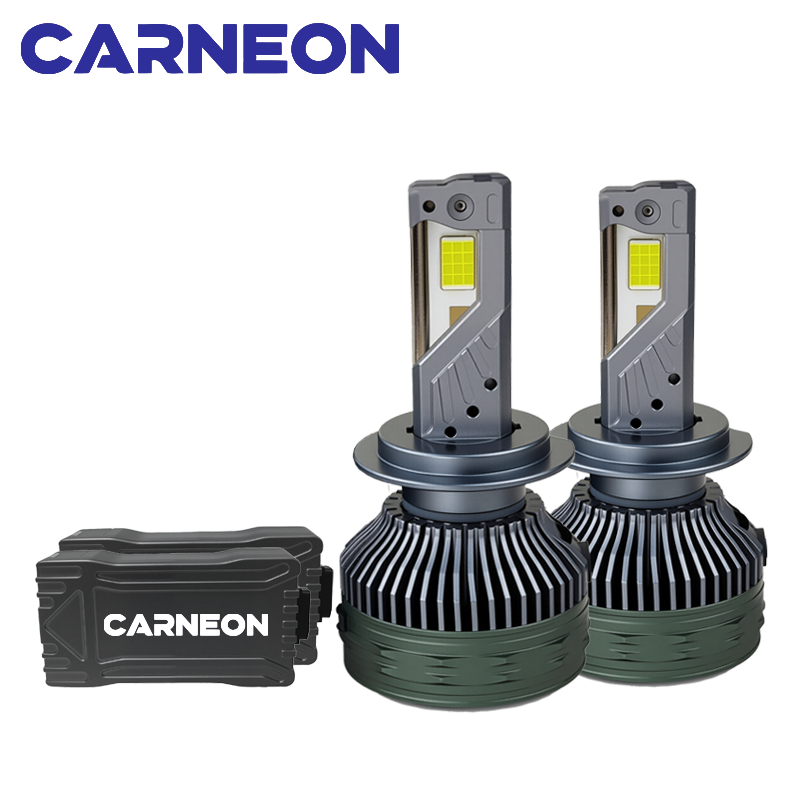
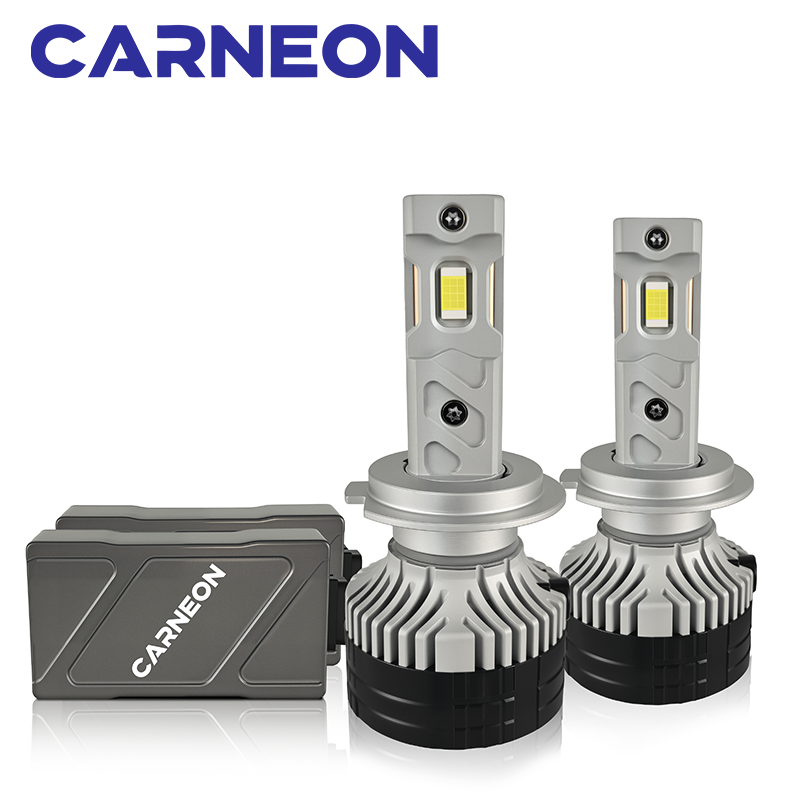
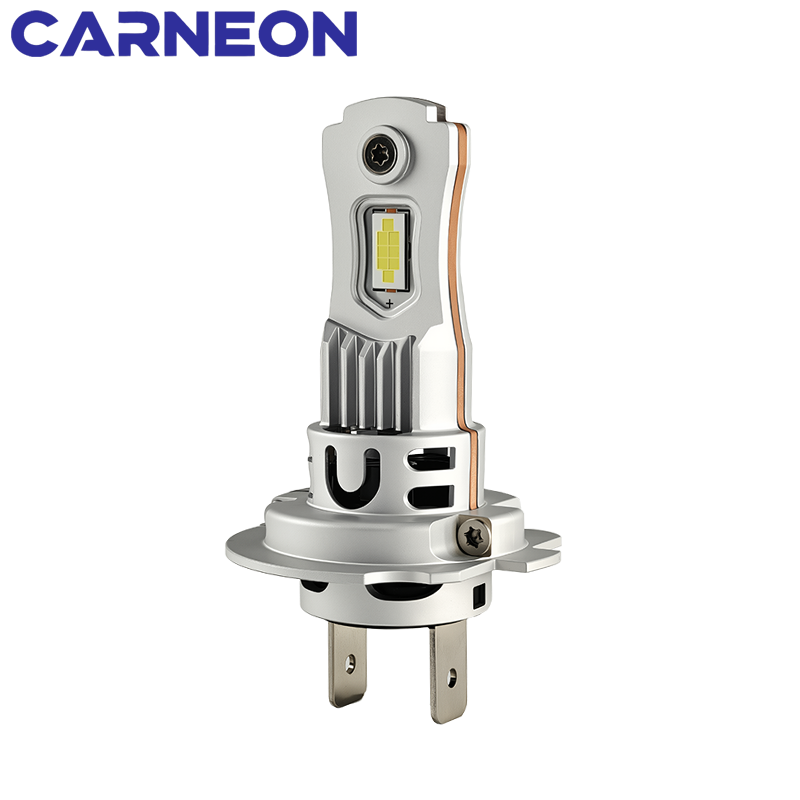
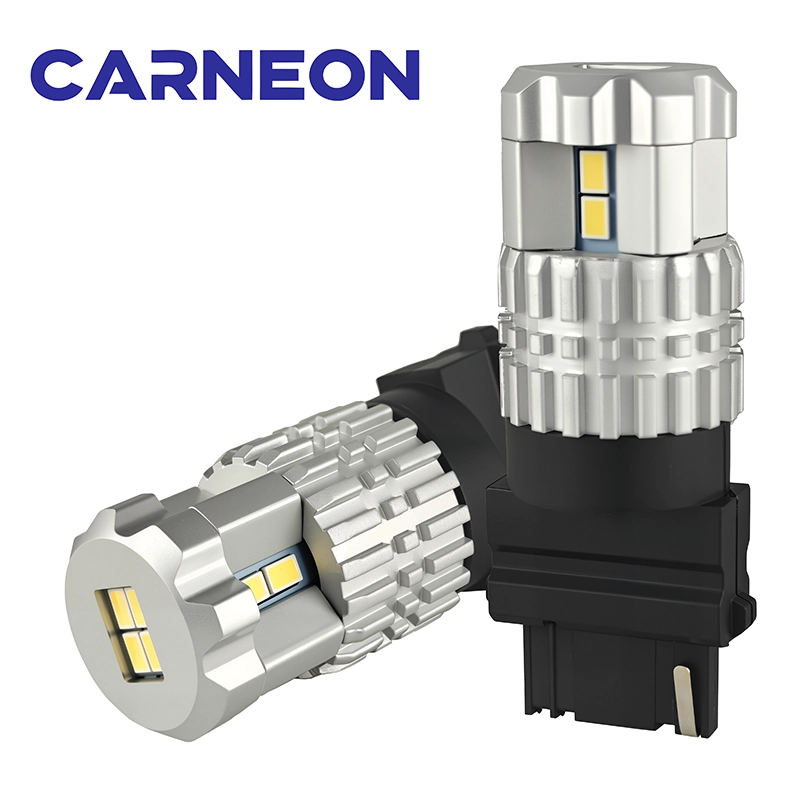
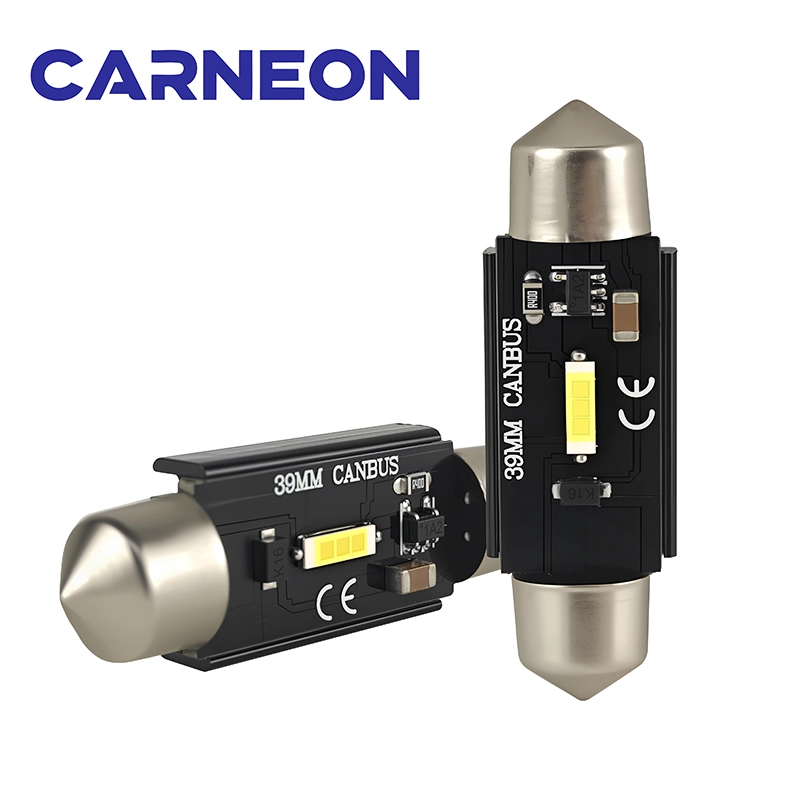
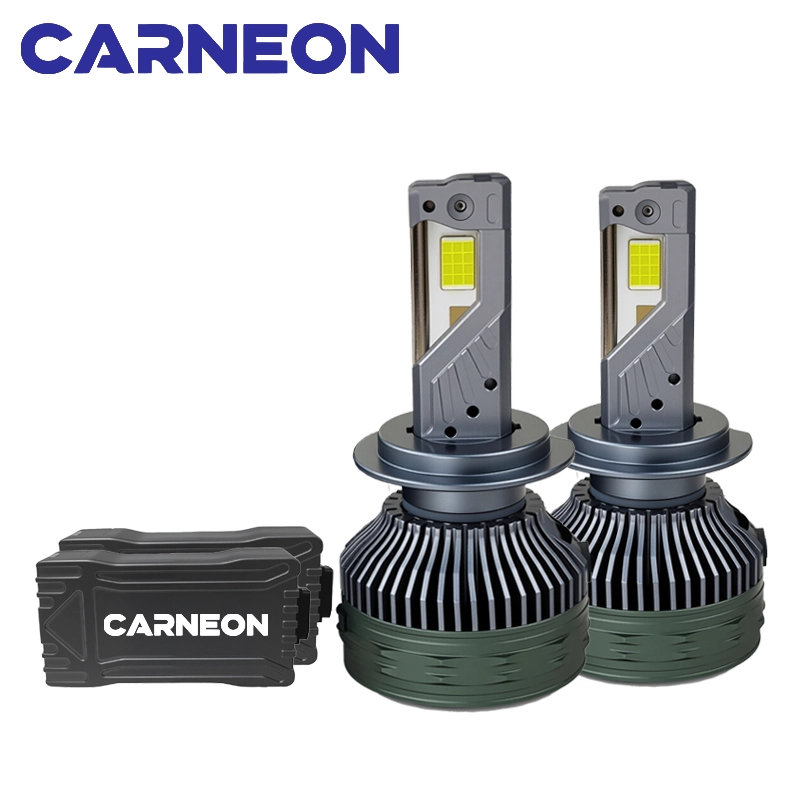
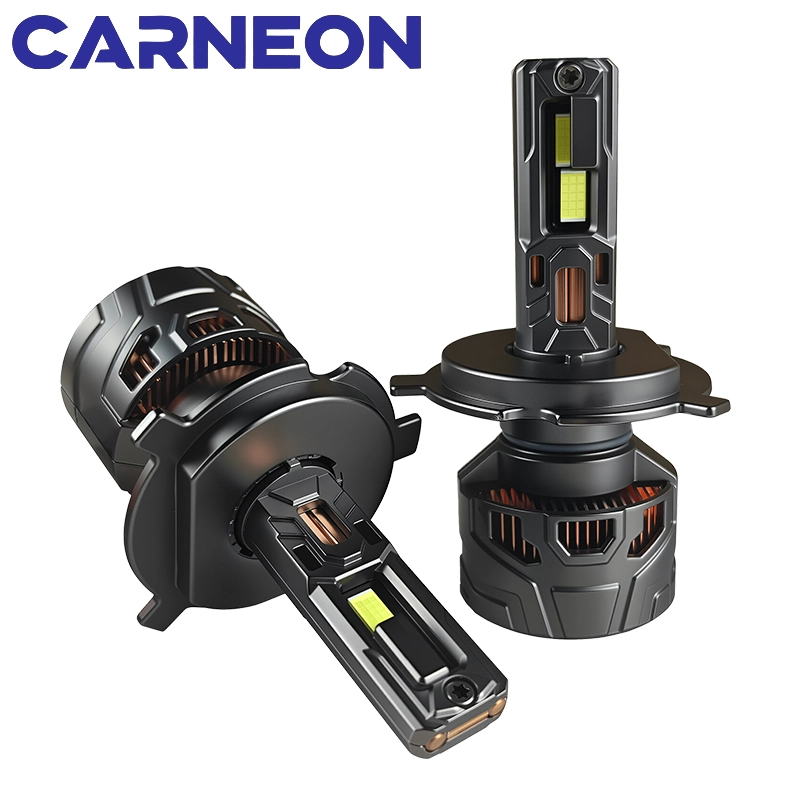
Select Current CARNEON Products for Testing
CARNEON offers several LED headlight platforms that can be evaluated against the verified fleet matrix. The decision should be made from the actual application rather than a generic market label. Buyers should define the operating environment, interfaces, constraints and acceptance result before comparing quotations. This prevents a visually similar product from being treated as technically equivalent when its installation, control or service conditions are different.
Published model names and headline values cannot replace housing, optical, electrical and thermal validation. The commercial risk is not limited to the initial unit price. Incorrect assumptions can create rework, extra accessories, inconsistent field behavior, warranty disputes and inventory that cannot be used across the intended project. Every claim that affects selection should therefore be tied to the exact model, configuration and documented test condition.
Use current product pages, drawings and physical samples for the exact quoted configuration. Evidence should be captured in a controlled record that identifies the sample, settings, environment, instruments or observations and the person responsible for approval. Photographs, drawings and measurements are most useful when they are repeatable. Subjective comments may supplement the record, but they should not replace defined pass and fail criteria.
Retain an approved reference sample and identify its revision for receiving inspection. Procurement, engineering, installation and service teams should use the same approved baseline. If a component, drawing, firmware, material, optical element, hardware item or packaging method changes, the affected checks should be repeated before the revised product is accepted. This change-control discipline protects repeat orders and reduces uncertainty during troubleshooting.

Assess Thermal Management in the Real Housing
Fans, heat sinks, drivers and cables operate inside a constrained headlamp compartment with vehicle-specific airflow and contamination. The decision should be made from the actual application rather than a generic market label. Buyers should define the operating environment, interfaces, constraints and acceptance result before comparing quotations. This prevents a visually similar product from being treated as technically equivalent when its installation, control or service conditions are different.
A cooling structure can contact the cover, recirculate hot air, collect debris or lose performance during extended operation. The commercial risk is not limited to the initial unit price. Incorrect assumptions can create rework, extra accessories, inconsistent field behavior, warranty disputes and inventory that cannot be used across the intended project. Every claim that affects selection should therefore be tied to the exact model, configuration and documented test condition.
Check rear clearance, cover closure, stabilized operation, fan behavior, temperature at repeatable points and output stability. Evidence should be captured in a controlled record that identifies the sample, settings, environment, instruments or observations and the person responsible for approval. Photographs, drawings and measurements are most useful when they are repeatable. Subjective comments may supplement the record, but they should not replace defined pass and fail criteria.
Use the intended installation method and duty cycle for approval instead of an open-bench demonstration. Procurement, engineering, installation and service teams should use the same approved baseline. If a component, drawing, firmware, material, optical element, hardware item or packaging method changes, the affected checks should be repeated before the revised product is accepted. This change-control discipline protects repeat orders and reduces uncertainty during troubleshooting.
Run a Controlled Fleet Trial
A useful trial combines installation checks, repeated starts, night routes, thermal stabilization, vibration exposure and post-trial inspection. The decision should be made from the actual application rather than a generic market label. Buyers should define the operating environment, interfaces, constraints and acceptance result before comparing quotations. This prevents a visually similar product from being treated as technically equivalent when its installation, control or service conditions are different.
A short showroom test can miss intermittent warnings, loosening, cable abrasion, moisture paths and changes after heat cycling. The commercial risk is not limited to the initial unit price. Incorrect assumptions can create rework, extra accessories, inconsistent field behavior, warranty disputes and inventory that cannot be used across the intended project. Every claim that affects selection should therefore be tied to the exact model, configuration and documented test condition.
Track vehicle, lamp position, sample lot, hours, route, weather, driver observations and maintenance findings. Evidence should be captured in a controlled record that identifies the sample, settings, environment, instruments or observations and the person responsible for approval. Photographs, drawings and measurements are most useful when they are repeatable. Subjective comments may supplement the record, but they should not replace defined pass and fail criteria.
Quarantine failures with their installation record so the supplier and fleet team can investigate the same evidence. Procurement, engineering, installation and service teams should use the same approved baseline. If a component, drawing, firmware, material, optical element, hardware item or packaging method changes, the affected checks should be repeated before the revised product is accepted. This change-control discipline protects repeat orders and reduces uncertainty during troubleshooting.
Manage Packaging, Traceability and Service Stock
Unit labels, batch identity and packaging condition matter when many visually similar bulbs enter a fleet warehouse. The decision should be made from the actual application rather than a generic market label. Buyers should define the operating environment, interfaces, constraints and acceptance result before comparing quotations. This prevents a visually similar product from being treated as technically equivalent when its installation, control or service conditions are different.
Mixed revisions or damaged connectors create inconsistent beam or diagnostic behavior and make field returns difficult to diagnose. The commercial risk is not limited to the initial unit price. Incorrect assumptions can create rework, extra accessories, inconsistent field behavior, warranty disputes and inventory that cannot be used across the intended project. Every claim that affects selection should therefore be tied to the exact model, configuration and documented test condition.
Inspect cartons, product markings, accessories, dimensions and agreed electrical checks according to a defined sampling plan. Evidence should be captured in a controlled record that identifies the sample, settings, environment, instruments or observations and the person responsible for approval. Photographs, drawings and measurements are most useful when they are repeatable. Subjective comments may supplement the record, but they should not replace defined pass and fail criteria.
Control service inventory by approved model and revision and attach vehicle information to every returned unit. Procurement, engineering, installation and service teams should use the same approved baseline. If a component, drawing, firmware, material, optical element, hardware item or packaging method changes, the affected checks should be repeated before the revised product is accepted. This change-control discipline protects repeat orders and reduces uncertainty during troubleshooting.
Interpret Output Claims and Supplier Documents
Wattage, lumens and color temperature require a stated test method and do not describe the beam produced by the complete vehicle lamp. The decision should be made from the actual application rather than a generic market label. Buyers should define the operating environment, interfaces, constraints and acceptance result before comparing quotations. This prevents a visually similar product from being treated as technically equivalent when its installation, control or service conditions are different.
Selecting the highest headline number can increase thermal demand and glare without improving usable seeing distance. The commercial risk is not limited to the initial unit price. Incorrect assumptions can create rework, extra accessories, inconsistent field behavior, warranty disputes and inventory that cannot be used across the intended project. Every claim that affects selection should therefore be tied to the exact model, configuration and documented test condition.
Request current datasheet, dimension drawing, installation instructions, fitment statement, packaging record and relevant test conditions. Evidence should be captured in a controlled record that identifies the sample, settings, environment, instruments or observations and the person responsible for approval. Photographs, drawings and measurements are most useful when they are repeatable. Subjective comments may supplement the record, but they should not replace defined pass and fail criteria.
Compare products through the same vehicle and measurement procedure and record every unresolved claim as an open deviation. Procurement, engineering, installation and service teams should use the same approved baseline. If a component, drawing, firmware, material, optical element, hardware item or packaging method changes, the affected checks should be repeated before the revised product is accepted. This change-control discipline protects repeat orders and reduces uncertainty during troubleshooting.
| Control record | Minimum content | Release gate |
|---|---|---|
| Vehicle fitment list | Make, model, year, housing and original bulb | Before sample order |
| Beam approval | Screen and route test record | Before catalog release |
| Electrical behavior | Start, flicker and warning results | Before fleet trial |
| Batch control | Model, revision and packaging record | Before production shipment |
RFQ and Final Approval
Provide vehicle populations, original bulbs, housing photographs, electrical system, warning behavior, duty cycle, climate, test method, quantity, destination, labeling and packaging needs.
- Exact vehicle groups and regional versions
- Original bulb, connector and housing dimensions
- Electrical and diagnostic conditions
- Beam and thermal acceptance method
- Packaging, traceability and private-label requirements
The final purchase order should reference the approved product, revision, drawings, samples, test record, labels and packaging. Open technical fields should remain on a deviation list until closed by the responsible party. A commercial quotation alone is not a complete technical specification, and a previous order should not be used as evidence when the current configuration or application has changed.








Whatsapp: +8618688487142