


Commercial Vehicle LED Headlight Vibration and Water-Ingress Fleet Acceptance
- Define the Fleet Acceptance Scope Before Ordering
- Vehicle population
- Operating severity
- Failure definitions
- Release gates
- Verify Mechanical Fit Before Vibration Evaluation
- Housing clearance
- Retention interface
- Orientation control
- Serviceability
- Inspect Connectors, Harness Routing, and Strain Relief
- Connector engagement
- Harness routing
- Strain relief
- Adapter control
- Build a Practical Vibration Acceptance Sequence
- Baseline record
- Controlled workshop check
- Route pilot
- Post-exposure comparison
- Assess Water Exposure Without Overstating Protection
- Exposure boundary
- Housing condition
- Controlled spray observation
- Drying and reinspection
- Check Electrical Stability During Fleet Trials
- Supply condition
- Warning behavior
- Intermittent faults
- Radio and system interaction
- Preserve Beam Aim and Glare Control After Exposure
- Baseline beam record
- Orientation movement
- Left-right comparison
- Driver feedback
- Create Inspection Sampling That Finds Variation
- First installation
- Installer variation
- Batch variation
- Return analysis
- Compare Acceptance Evidence in a Procurement Table
- Documented compatibility
- Installation package
- Test evidence
- Support response
- Plan Receiving, Pilot, and Fleet Rollout
- Receiving inspection
- Pilot allocation
- Rollout decision
- Change control
- Verified Product References
- N12 High Power LED Headlight
- N4 Plug & Play LED Headlight
- E1 Plug & Play LED Headlight
- Use Failure Findings to Improve the Next Order
- Classify the cause before changing the product
- Control corrective actions
- Feed evidence back into the RFQ
- Fleet LED Headlight Acceptance FAQ
Define the Fleet Acceptance Scope Before Ordering
Vehicle population
For vehicle population, fleet buyers should list the truck models, model years, headlamp housings, bulb interfaces, electrical variants, and operating routes in scope. The acceptance plan should separate verified configurations from assumed similarities. Inspectors should then select representative vehicles for samples. This creates a repeatable decision point instead of relying on a broad durability promise or a single successful installation. Before wider release, the team should freeze the matrix before fleet release.
Operating severity
Operating severity must be treated as a controlled variable because commercial vehicles can differ even when a familiar interface name appears in the quotation. The responsible technician should describe paved mileage, construction roads, wash cycles, weather exposure, idle time, and night duty. During the pilot, the team should avoid substituting a generic severe-duty label for real route evidence. The inspection record must rank conditions by frequency and consequence. Final approval should use the profile to set practical tests.
Failure definitions
A useful control for failure definitions begins when procurement asks the supplier and workshop to define looseness, flicker, intermittent operation, moisture evidence, connector movement, beam change, and physical damage. The installation team should also distinguish installation faults from product faults. At the next inspection point, reviewers can state when a result requires investigation rather than immediate rejection. The result is more useful when it is tied to the exact vehicle, parts, installer, route, and date. The controlled record should attach definitions to inspection forms.
Release gates
Buyers should not leave release gates to an informal workshop judgment after the lamps arrive. The approved method can separate sample approval, pilot installation, monitored route use, and fleet rollout. A representative fleet trial should require evidence at each gate before expanding quantity. The release review should assign approval authority. The purchase and service records should retain the release record by vehicle configuration.
Verify Mechanical Fit Before Vibration Evaluation
Housing clearance
Housing clearance must be treated as a controlled variable because commercial vehicles can differ even when a familiar interface name appears in the quotation. The responsible technician should measure available depth, rear-cover space, surrounding harness clearance, and service access. During the pilot, the team should check the installed system rather than the lamp on a bench alone. The inspection record must identify contact points that could transmit vibration. Final approval should record fit by vehicle model.
Retention interface
A useful control for retention interface begins when procurement asks the supplier and workshop to confirm that the bulb or module seats correctly and the intended retaining method closes fully. The installation team should also avoid forcing clips or adapters to compensate for mismatch. At the next inspection point, reviewers can inspect for uneven seating. The result is more useful when it is tied to the exact vehicle, parts, installer, route, and date. The controlled record should repeat the check after an initial road interval.
Orientation control
Buyers should not leave orientation control to an informal workshop judgment after the lamps arrive. The approved method can verify the installed light-emitting orientation and beam position using the approved procedure. A representative fleet trial should mark any adjustable interface before testing. The release review should detect rotation or settling after vibration exposure. The purchase and service records should treat orientation change as evidence to investigate.
Serviceability
For serviceability, fleet buyers should make sure technicians can install, inspect, and remove the unit without damaging wires or covers. The acceptance plan should check access with normal workshop tools. Inspectors should then include the rear cover and seals in the review. This creates a repeatable decision point instead of relying on a broad durability promise or a single successful installation. Before wider release, the team should train technicians on the approved configuration.
Inspect Connectors, Harness Routing, and Strain Relief

Connector engagement
A useful control for connector engagement begins when procurement asks the supplier and workshop to confirm complete mating, lock engagement, terminal condition, and polarity where applicable. The installation team should also avoid judging connection quality only by initial illumination. At the next inspection point, reviewers can use a gentle retention check. The result is more useful when it is tied to the exact vehicle, parts, installer, route, and date. The controlled record should photograph the approved connection.
Harness routing
Buyers should not leave harness routing to an informal workshop judgment after the lamps arrive. The approved method can keep wires away from sharp edges, hot surfaces, moving parts, and uncontrolled tension. A representative fleet trial should preserve required slack without allowing loops to strike the housing. The release review should use existing vehicle routing principles. The purchase and service records should inspect with steering and service movements considered.
Strain relief
For strain relief, fleet buyers should prevent lamp leads or decoders from carrying their own unsupported mass. The acceptance plan should secure accessories without crushing cables or blocking cooling paths. Inspectors should then place supports near vulnerable transitions. This creates a repeatable decision point instead of relying on a broad durability promise or a single successful installation. Before wider release, the team should recheck after pilot mileage.
Adapter control
Adapter control must be treated as a controlled variable because commercial vehicles can differ even when a familiar interface name appears in the quotation. The responsible technician should identify every adapter, decoder, extension, and seal used in the installed configuration. During the pilot, the team should avoid mixing unverified parts across vehicles. The inspection record must label the approved combination. Final approval should include all interfaces in fault diagnosis.
Build a Practical Vibration Acceptance Sequence
Baseline record
Buyers should not leave baseline record to an informal workshop judgment after the lamps arrive. The approved method can document mounting, connector engagement, beam aim, operation, and diagnostic condition before exposure. A representative fleet trial should use consistent photos and observations. The release review should separate pre-existing vehicle defects. The purchase and service records should sign the baseline before testing.
Controlled workshop check
For controlled workshop check, fleet buyers should apply only safe, documented checks that match available equipment and supplier instructions. The acceptance plan should do not invent a laboratory claim from a workshop shake test. Inspectors should then observe movement, contact, and intermittent operation. This creates a repeatable decision point instead of relying on a broad durability promise or a single successful installation. Before wider release, the team should record the limitations of the method.
Route pilot
Route pilot must be treated as a controlled variable because commercial vehicles can differ even when a familiar interface name appears in the quotation. The responsible technician should operate sample vehicles on representative routes under normal controls. During the pilot, the team should include enough time to expose settling and harness movement without promising an arbitrary lifetime. The inspection record must log operating conditions and driver reports. Final approval should inspect at planned intervals.
Post-exposure comparison
A useful control for post-exposure comparison begins when procurement asks the supplier and workshop to compare orientation marks, retention, connectors, wiring, function, and beam condition with the baseline. The installation team should also investigate any change before resetting parts. At the next inspection point, reviewers can retain failed components and photographs. The result is more useful when it is tied to the exact vehicle, parts, installer, route, and date. The controlled record should release only the verified configuration.
| Stage | Check | Required evidence |
|---|---|---|
| Baseline | Mounting, connectors, operation, beam condition | Vehicle ID, configuration and dated photos |
| Workshop check | Movement, contact and intermittent behavior | Method and limitations recorded |
| Route pilot | Representative operation and planned intervals | Route log, reports and inspections |
| Post-pilot | Compare all controlled points with baseline | Release or investigation decision |
Assess Water Exposure Without Overstating Protection

Exposure boundary
For exposure boundary, fleet buyers should identify whether risk comes from weather, road spray, vehicle washing, condensation, or damaged housings. The acceptance plan should do not assign an IP claim unless it is supported by the relevant verified documentation. Inspectors should then focus on the complete installed interface. This creates a repeatable decision point instead of relying on a broad durability promise or a single successful installation. Before wider release, the team should record the exact exposure conditions.
Housing condition
Housing condition must be treated as a controlled variable because commercial vehicles can differ even when a familiar interface name appears in the quotation. The responsible technician should inspect covers, vents, seals, cracks, previous repairs, and drainage before blaming the replacement lamp. During the pilot, the team should confirm that service openings close as intended. The inspection record must separate vehicle enclosure defects from lamp defects. Final approval should photograph any anomaly.
Controlled spray observation
A useful control for controlled spray observation begins when procurement asks the supplier and workshop to use a safe method consistent with equipment instructions and site procedures. The installation team should also avoid directing pressure at areas outside the approved vehicle washing practice. At the next inspection point, reviewers can record duration, direction, and visible conditions. The result is more useful when it is tied to the exact vehicle, parts, installer, route, and date. The controlled record should do not convert a field observation into a certification claim.
Drying and reinspection
Buyers should not leave drying and reinspection to an informal workshop judgment after the lamps arrive. The approved method can allow the system to stabilize under defined conditions before final judgment. A representative fleet trial should check for moisture, residue, electrical interruption, corrosion indicators, or seal displacement. The release review should compare both sides where appropriate. The purchase and service records should escalate unexplained evidence.
Check Electrical Stability During Fleet Trials
Supply condition
Supply condition must be treated as a controlled variable because commercial vehicles can differ even when a familiar interface name appears in the quotation. The responsible technician should measure or record the vehicle electrical condition using appropriate service tools. During the pilot, the team should consider start events, charging behavior, and normal operating loads. The inspection record must avoid attributing every flicker to the lamp. Final approval should connect observations to a specific vehicle.
Warning behavior
A useful control for warning behavior begins when procurement asks the supplier and workshop to monitor dashboard warnings, diagnostic messages, flicker, delayed start, or shutdown. The installation team should also record when and how the symptom appears. At the next inspection point, reviewers can verify adapter combinations. The result is more useful when it is tied to the exact vehicle, parts, installer, route, and date. The controlled record should do not clear evidence before it is documented.
Intermittent faults
Buyers should not leave intermittent faults to an informal workshop judgment after the lamps arrive. The approved method can use controlled connector and harness inspection when symptoms appear. A representative fleet trial should avoid repeatedly replacing parts without isolating the cause. The release review should compare with a known verified configuration. The purchase and service records should retain fault codes and timing notes.
Radio and system interaction
For radio and system interaction, fleet buyers should listen for or document interference reports under repeatable conditions. The acceptance plan should check installation routing and accessory placement. Inspectors should then avoid promising universal compatibility from a single vehicle. This creates a repeatable decision point instead of relying on a broad durability promise or a single successful installation. Before wider release, the team should expand the pilot across the matrix.
Preserve Beam Aim and Glare Control After Exposure
Baseline beam record
A useful control for baseline beam record begins when procurement asks the supplier and workshop to capture beam position and distribution using the same vehicle load, tire condition, distance, and aiming setup. The installation team should also avoid comparing casual road photos. At the next inspection point, reviewers can mark the adjustment state. The result is more useful when it is tied to the exact vehicle, parts, installer, route, and date. The controlled record should retain before-and-after evidence.
Orientation movement
Buyers should not leave orientation movement to an informal workshop judgment after the lamps arrive. The approved method can look for rotation, settling, loose adapters, or housing movement after route exposure. A representative fleet trial should inspect mechanical causes before re-aiming. The release review should record whether the change repeats. The purchase and service records should reject uncontrolled movement.
Left-right comparison
For left-right comparison, fleet buyers should compare matched sides while accounting for vehicle-specific optics and condition. The acceptance plan should do not assume identical appearance proves correct aim. Inspectors should then investigate asymmetric movement. This creates a repeatable decision point instead of relying on a broad durability promise or a single successful installation. Before wider release, the team should use the approved aiming method.
Driver feedback
Driver feedback must be treated as a controlled variable because commercial vehicles can differ even when a familiar interface name appears in the quotation. The responsible technician should collect reports about visibility, warning flashes from other drivers, flicker, and intermittent operation. During the pilot, the team should treat reports as signals for inspection rather than final proof. The inspection record must link feedback to vehicle and route. Final approval should close each report with evidence.
Create Inspection Sampling That Finds Variation
First installation
Buyers should not leave first installation to an informal workshop judgment after the lamps arrive. The approved method can inspect the first unit on every new vehicle configuration in detail. A representative fleet trial should verify parts, adapters, routing, sealing, aim, and diagnostics. The release review should correct the work instruction before volume fitting. The purchase and service records should retain a complete record.
Installer variation
For installer variation, fleet buyers should sample across technicians, shifts, and service locations. The acceptance plan should look for different routing, cover closure, retention, or accessory placement. Inspectors should then coach from observed evidence. This creates a repeatable decision point instead of relying on a broad durability promise or a single successful installation. Before wider release, the team should avoid assuming training alone ensures consistency.
Batch variation
Batch variation must be treated as a controlled variable because commercial vehicles can differ even when a familiar interface name appears in the quotation. The responsible technician should connect lamps and accessories to receiving or batch records. During the pilot, the team should compare appearance and interfaces without inventing unsupported specifications. The inspection record must increase sampling when variation appears. Final approval should quarantine unclear combinations.
Return analysis
A useful control for return analysis begins when procurement asks the supplier and workshop to classify returned units by symptom, vehicle, installer, route, and observed cause. The installation team should also separate no-fault-found cases from confirmed failures. At the next inspection point, reviewers can use retained evidence to improve acceptance checks. The result is more useful when it is tied to the exact vehicle, parts, installer, route, and date. The controlled record should avoid relying on a single return rate.
Compare Acceptance Evidence in a Procurement Table
Documented compatibility
For documented compatibility, fleet buyers should request the supplier's supported vehicle or interface evidence for the proposed configuration. The acceptance plan should identify assumptions that still require fleet validation. Inspectors should then avoid treating a bulb base name as complete fitment proof. This creates a repeatable decision point instead of relying on a broad durability promise or a single successful installation. Before wider release, the team should record the final approved matrix.
Installation package
Installation package must be treated as a controlled variable because commercial vehicles can differ even when a familiar interface name appears in the quotation. The responsible technician should confirm included parts, required adapters, instructions, and service cautions. During the pilot, the team should compare what arrives with what was quoted. The inspection record must reject silent substitutions. Final approval should control revisions across repeat orders.
Test evidence
A useful control for test evidence begins when procurement asks the supplier and workshop to ask for relevant, current documents without converting marketing language into certification. The installation team should also check that samples match the quoted product. At the next inspection point, reviewers can note scope and limitations. The result is more useful when it is tied to the exact vehicle, parts, installer, route, and date. The controlled record should retain the reviewed version.
Support response
Buyers should not leave support response to an informal workshop judgment after the lamps arrive. The approved method can define the information needed for fault analysis and replacement decisions. A representative fleet trial should set a clear contact and evidence process. The release review should avoid vague warranty discussions after rollout. The purchase and service records should include response expectations in the order.
| RFQ evidence | Buyer question | Release risk controlled |
|---|---|---|
| Fitment matrix | Which exact vehicles and interfaces are supported? | Forced installation or unstable retention |
| Installation package | Which adapters and instructions are included? | Uncontrolled combinations |
| Relevant documents | What scope and sample do the records cover? | Unsupported claims |
| Fault process | What evidence is needed for diagnosis? | Slow or inconsistent decisions |
Plan Receiving, Pilot, and Fleet Rollout
Receiving inspection
Receiving inspection must be treated as a controlled variable because commercial vehicles can differ even when a familiar interface name appears in the quotation. The responsible technician should check identity, quantity, visible damage, accessories, connectors, and images against the approved order. During the pilot, the team should sample cartons across the shipment. The inspection record must isolate discrepancies before installation. Final approval should retain batch references.
Pilot allocation
A useful control for pilot allocation begins when procurement asks the supplier and workshop to assign samples across representative vehicles and routes rather than the easiest units. The installation team should also include higher-risk configurations without exposing operations to uncontrolled change. At the next inspection point, reviewers can define observation intervals. The result is more useful when it is tied to the exact vehicle, parts, installer, route, and date. The controlled record should keep spare units and removed parts controlled.
Rollout decision
Buyers should not leave rollout decision to an informal workshop judgment after the lamps arrive. The approved method can review mechanical, water-exposure, electrical, beam, and service evidence together. A representative fleet trial should avoid allowing one successful vehicle to release the full matrix. The release review should approve by configuration. The purchase and service records should document remaining limitations.
Change control
For change control, fleet buyers should repeat relevant checks when the product, adapter, vehicle configuration, installer method, or supplier documentation changes. The acceptance plan should identify revision points. Inspectors should then prevent mixed configurations. This creates a repeatable decision point instead of relying on a broad durability promise or a single successful installation. Before wider release, the team should maintain traceability after rollout.
Verified Product References
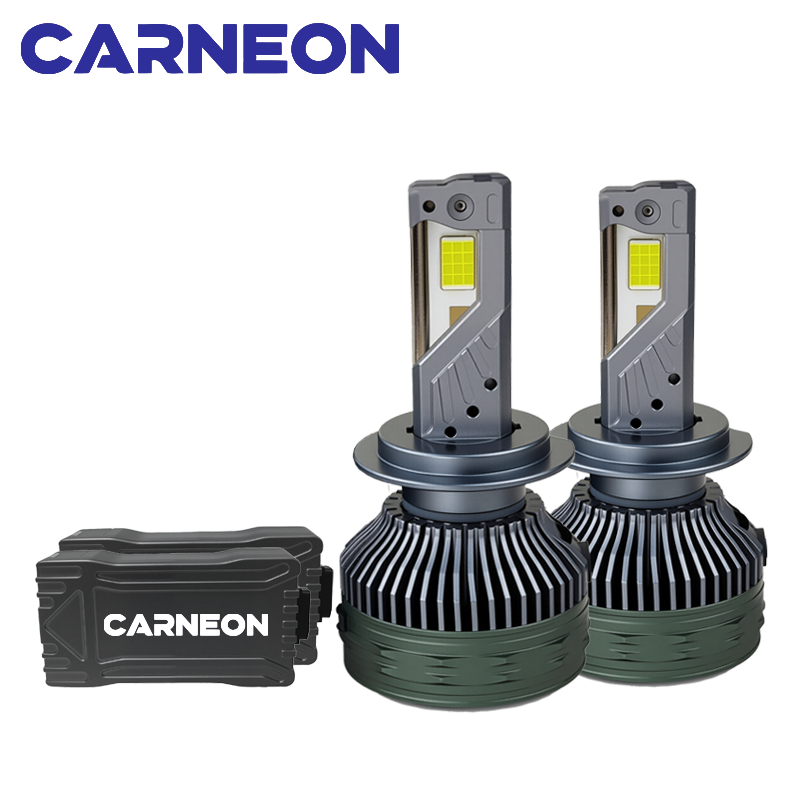
N12 High Power LED Headlight
Use the current product page to confirm the offered interface and supplied components before assigning the lamp to a commercial vehicle pilot.View Product
N4 Plug & Play LED Headlight
Use the current product page to confirm the offered interface and supplied components before assigning the lamp to a commercial vehicle pilot.View Product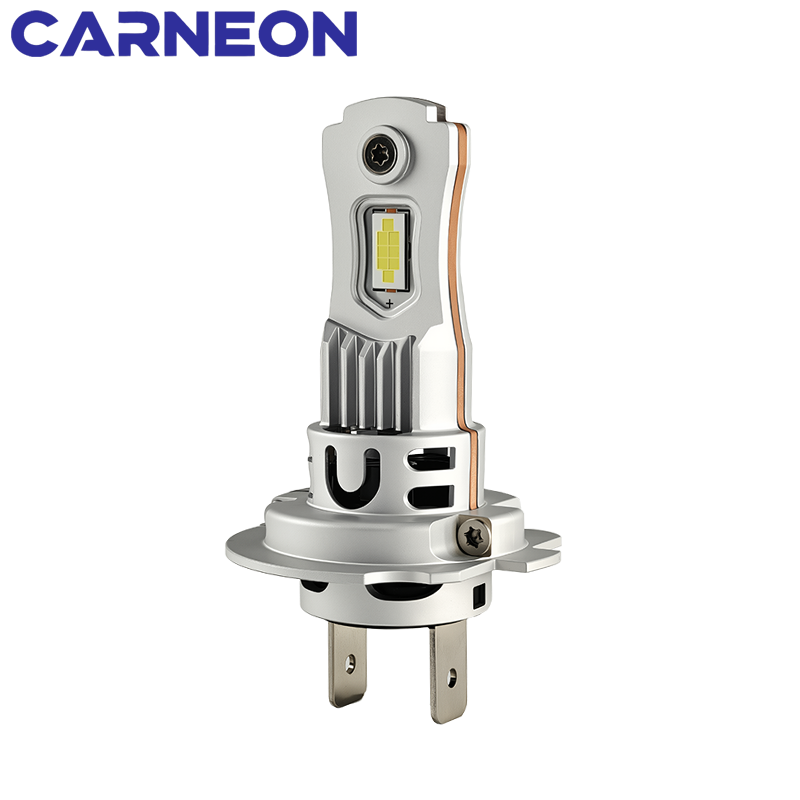
E1 Plug & Play LED Headlight
Use the current product page to confirm the offered interface and supplied components before assigning the lamp to a commercial vehicle pilot.View ProductUse Failure Findings to Improve the Next Order
Classify the cause before changing the product
A failed or intermittent lamp does not by itself identify whether the cause is the product, vehicle housing, connector, adapter, installation method, electrical condition, or route exposure. The review team should preserve the installed configuration and collect evidence before parts are moved or discarded. Each finding should be assigned a provisional cause, an evidence level, and a required next check. Repeated patterns across vehicles are more informative than isolated assumptions. Procurement should use confirmed causes, not rumor, when adjusting specifications or supplier discussions.
Control corrective actions
Corrective action should state exactly what changes, which vehicles are affected, who performs the work, and how the result will be verified. A new adapter, routing method, retaining part, seal practice, or lamp revision creates a new installed configuration that may need focused revalidation. Technicians should not mix old and new methods during the same pilot without traceability. The release record should show which evidence closed the original concern. Buyers can then prevent a local workaround from becoming an uncontrolled fleet standard.
Feed evidence back into the RFQ
Verified findings should improve the next request for quotation, sample plan, and receiving checklist. If a route repeatedly exposes connector movement, housing moisture, installation access, or beam orientation risk, the next order should ask for evidence and controls addressing that specific condition. The buyer should distinguish a required control from an optional preference so quotations remain comparable. Updated requirements should retain the successful parts of the earlier specification. This feedback loop makes fleet acceptance more precise without inventing performance guarantees.
Fleet LED Headlight Acceptance FAQ
Can one successful truck installation approve an entire fleet?
No. Approval should follow the actual vehicle matrix because housings, retention systems, electrical behavior, service access, and operating routes may differ. Release each verified configuration with its own evidence.
How should vibration performance be checked in a fleet project?
Start with a documented baseline, use safe controlled checks within available capabilities, run representative route pilots, and compare mounting, connectors, wiring, operation, orientation, and beam condition afterward. Do not describe a workshop observation as a laboratory certification.
Does a water spray observation prove an IP rating?
No. An IP rating requires verified evidence under the applicable test conditions and product scope. A fleet observation can reveal installation, housing, seal, or moisture problems, but it should not be converted into an unsupported certification claim.
What should technicians record before a route pilot?
Record the vehicle identity, product and adapter combination, mounting and retention, connector engagement, harness routing, rear-cover condition, electrical warnings, operation, beam aim, and dated photographs.
How should intermittent headlight faults be investigated?
Connect the symptom to the exact vehicle and operating condition, preserve warnings or fault codes, inspect connectors and routing, compare with a verified configuration, and avoid replacing multiple parts without isolating the cause.
When should a fleet rollout be paused?
Pause when the installation cannot be verified, parts or adapters differ from the approved sample, status is uncertain, repeated movement or moisture evidence appears, electrical behavior is unexplained, or beam condition changes after exposure.
Recommended for you

Commercial Vehicle LED Headlight Thermal Management and Fleet Validation

CAN Bus Compatibility Testing for Commercial Vehicle LED Headlights

24V LED Headlights for Commercial Vehicles: Compatibility and Fleet Validation

Commercial Vehicle LED Headlight Beam Pattern and Glare Control
You May Also Like


Get More Resources
If you have any comments or good suggestions, please leave us a message, later our professional staff will contact you as soon as possible.
Start Your Wholesale Order / Request OEM Solutions
Partner directly with the factory for competitive pricing and priority support. Please provide your business details and estimated order volume (MOQ applies) so our sales engineers can tailor the best quote for your market.
Contact us


6th Floor, Building B, Liando U Valley, No. 29, Bishan Street, Huangpu District, Guangzhou, China

© 2026 CARNEON. All Rights Reserved. Privacy Policy | Terms and Conditions | Sitemap

Whatsapp: +8618688487142