


24V LED Headlights for Commercial Vehicles: Compatibility and Fleet Validation
- Quick Answer
- Why 24V Compatibility Is a System Question
- Build a Vehicle Compatibility Matrix
- Electrical Checks Before Fleet Release
- Thermal Clearance and Cooling Validation
- Beam Pattern, Aim and Glare After Installation
- Incoming Inspection and Pilot Deployment
- Conclusion
- Define the 24V Vehicle Electrical Envelope
- Separate Bulb Base from Complete Mechanical Fit
- Evaluate Lamp Monitoring and CAN-Related Behavior
- Control Heat in Long-Duty Commercial Operation
- Validate Beam Pattern Before Brightness Claims
- Design a Representative Fleet Pilot
- Control Bulk Orders and Incoming Quality
- Build an After-Sales Diagnostic Workflow
- Prepare an RFQ That Can Be Technically Answered
- CARNEON Models for Compatibility Evaluation
- N12 High Power LED Headlight
- N4 Plug-and-Play LED Headlight
- E1 Plug-and-Play LED Headlight
- Frequently Asked Questions
Quick Answer
A 24V commercial vehicle needs more than a bulb that physically fits the headlamp. Buyers must verify the vehicle electrical architecture, connector and base, driver input range, polarity, lamp-monitoring behavior, thermal clearance and beam alignment. A product described as plug-and-play may still require vehicle-level testing because fleet platforms differ. The safest procurement method is a documented compatibility matrix followed by controlled installation and road-use validation.
Why 24V Compatibility Is a System Question
Commercial vehicles may use a nominal 24V network, but the LED headlight driver must tolerate the actual operating conditions defined by the vehicle and product documentation. Starting, charging, load switching and wiring condition can affect the supply seen at the lamp. A simple nominal-voltage label does not confirm behavior across every truck platform. Procurement teams should request the supported input range and validate it against the target vehicle rather than assuming all 24V systems are identical.
Mechanical compatibility is equally important because base type alone does not guarantee a successful installation. The rear housing, heat sink, fan, connector and cable must fit without interfering with covers, seals or adjustment mechanisms. Improvised cutting can weaken dust and moisture protection and makes fleet servicing inconsistent. A fitment trial should confirm installation depth, retention, wiring strain relief and access for future replacement.
Build a Vehicle Compatibility Matrix
A practical matrix lists vehicle make, model, year, headlamp assembly, original bulb base, nominal electrical system and any lamp-monitoring behavior. It also records whether the low beam and high beam use separate bulbs, whether polarity matters and how much rear clearance is available. Each approved combination should reference the tested product model and installation notes. Unverified vehicles remain clearly marked instead of being added through guesswork.
Fleet buyers should distinguish a product family from a verified vehicle application. One headlight model may be supplied in several bases, while the same vehicle name may use different lamp assemblies across markets or production years. Packaging and sales data should therefore identify the exact base and approved applications. This control reduces wrong-part returns and prevents compatibility claims from expanding beyond the evidence.
The matrix becomes more valuable when it links technical approval to batch and packaging records. Receiving teams can check that the delivered base, connector and model match the approved sample. Installers can follow the same orientation and sealing notes used during validation. After-sales teams can trace a complaint to a known combination rather than starting with an incomplete description.
Electrical Checks Before Fleet Release
The installation team should first inspect the original connector, wiring condition, fuse arrangement and signs of heat or corrosion. A poor connection can create voltage loss, flicker or heat that is incorrectly blamed on the LED bulb. Measurements should use qualified technicians and procedures appropriate to the vehicle. Any abnormal wiring condition should be corrected before the replacement lamp is evaluated.
Lamp monitoring and diagnostic behavior require vehicle-specific testing. Some vehicles may detect a changed electrical load and show a warning, flicker or switch the circuit unexpectedly. A compatibility accessory should only be specified when its purpose and application are verified. Buyers should not treat the word CAN Bus as a universal promise covering every dashboard and control module.
Polarity and connector engagement must be confirmed during installation. The connector should lock securely, cables should not touch hot or moving parts, and additional components must be restrained. The rear cover should close as intended without compressing the fan or wiring. A visual inspection and functional test should be recorded before the vehicle returns to service.
Thermal Clearance and Cooling Validation
LED headlight performance depends on moving heat away from the light source and driver. Commercial vehicles may operate for long periods, idle in warm environments or accumulate dust around the headlamp area. The selected product needs sufficient clearance for its cooling structure and must not be enclosed in a way that contradicts verified instructions. Fleet approval should include a representative operating test rather than a short bench illumination check.
Cooling fans, heat sinks and copper structures should be inspected as physical components, not treated only as marketing features. Buyers should look for secure assembly, unobstructed airflow, consistent orientation and service access. Noise or vibration should be assessed in the installed vehicle because mounting conditions affect what operators experience. Any thermal claim used in purchasing must be supported by the supplier's verified documentation and the buyer's application test.
Beam Pattern, Aim and Glare After Installation
Electrical operation does not prove optical compatibility. The LED emitter position and orientation must work with the original reflector or projector so the beam pattern remains controlled. Installers should check seating, rotation and headlamp aim on a suitable test surface or approved equipment. Excess glare, scattered light or a weakened cutoff is a reason to stop approval even when the bulb appears bright.
Fleet testing should compare left and right lamps and confirm repeatability across more than one vehicle where possible. Vehicle ride height, load and headlamp condition can change the observed beam, so the test record should state these conditions. A controlled installation process helps separate a product issue from incorrect seating or aim. Legal requirements for on-road lighting must be checked for the destination market and application.
Incoming Inspection and Pilot Deployment
The first shipment should be linked to the approved sample, product identity, base type, packaging and vehicle matrix. Inspectors can check labels, visible damage, connector consistency, cooling components and included accessories before installation. A sample of units should undergo the agreed functional and fitment checks. Any acceptance limits must come from the purchase specification rather than being invented after delivery.
A pilot fleet should include representative vehicles and duty patterns instead of only the easiest installation. The team should record installation time, warnings, flicker, beam observations, thermal behavior and operator feedback. Failures or exceptions remain associated with the vehicle and product batch. Volume release follows only after the evidence meets the agreed criteria.
Conclusion
A reliable 24V LED headlight program combines electrical, mechanical, diagnostic, thermal and optical compatibility. Nominal voltage and bulb base are necessary inputs, but they are not a complete approval. A vehicle matrix, documented fitment trial and staged fleet pilot create stronger evidence for distributors and fleet operators. CARNEON product models should be proposed only after the target vehicle and installation conditions are verified.
| Compatibility area | Evidence | Release decision |
|---|---|---|
| Electrical | Vehicle architecture, product input documentation, functional test | No warning, flicker or abnormal operation |
| Mechanical | Base, connector, rear clearance, cover and cable routing | Secure fit without improvised modification |
| Optical | Emitter orientation, beam pattern and aim check | Controlled beam without unacceptable glare |
| Pilot record | What to capture |
|---|---|
| Vehicle identity | Model, year, lamp assembly and original bulb base |
| Installation | Clearance, connector lock, cover, orientation and time |
| Operation | Warnings, flicker, beam, thermal observation and duty |
Define the 24V Vehicle Electrical Envelope
Nominal system voltage is a category label, not a complete description of what the lamp driver experiences in service. Commercial vehicles can present different supply conditions during cranking, alternator charging, regenerative operation, load switching and fault events. The purchaser should compare the vehicle manufacturer's electrical information with the LED product's verified input documentation. If either side is unknown, the combination remains provisional until controlled testing establishes acceptable behavior. This protects the fleet from approving a bulb only because a catalog headline contains the same voltage number.
The validation plan should separate normal operating conditions from abnormal or transient conditions. Normal checks cover startup, idle, charging, high and low beam switching and operation with other major electrical loads. Abnormal observations include intermittent connectors, warning messages, cycling, delayed startup or unexpected shutdown. Technicians should never create unsafe faults merely to test a product, but they should document any naturally occurring event during the pilot. A repeatable record helps engineering decide whether the issue belongs to the bulb, wiring, control system or vehicle condition.
Voltage measurements are useful only when the location, instrument and operating state are recorded. A reading at the battery does not automatically equal the voltage present at the headlamp connector after harness losses and switching components. The same vehicle can show different behavior with a cold engine, charging alternator or aged connector. Fleet records should identify where readings were taken and which loads were active. This avoids comparing unrelated measurements and supports a technical conversation with both vehicle and lighting suppliers.
Separate Bulb Base from Complete Mechanical Fit
A correct bulb base allows the unit to enter the lamp holder, but rear geometry determines whether the installation can be completed safely. Commercial headlamp assemblies may have dust covers, narrow service openings, retaining springs, adapter rings or adjacent structures that limit space. The heat sink, fan, driver box and cable must fit without compression or contact with moving components. Installers should photograph the approved arrangement and record any verified adapter used. The process prevents a sales compatibility list from treating a shared base as proof of identical installation.
Retention and emitter orientation should be checked before the rear cover is closed. A bulb that is not fully seated can rotate, shift the emitter position and change the beam pattern even though it lights normally. The locking mechanism must engage without excessive force, and cables should not pull the bulb away from its intended position. If an adapter is needed, its identity becomes part of the approved configuration. Fleet service instructions should show the final orientation so repeat installations do not depend on individual memory.
Sealing must be preserved because commercial vehicles encounter dust, spray, vibration and repeated temperature changes. The original cover and gasket should close as designed, with no cable trapped across a sealing surface. A solution that requires unverified cutting or leaves the assembly open creates a different environmental risk from the product itself. Buyers should document the completed housing and inspect it again after the pilot period. Any water or dust resistance claim must come from verified product and vehicle information rather than being assumed from appearance.
Evaluate Lamp Monitoring and CAN-Related Behavior
Many commercial vehicles supervise exterior lighting, but monitoring strategies vary by platform, model year and control module. A reduced or differently shaped electrical load may be interpreted as an open circuit, causing a warning, flicker or diagnostic code. The term CAN Bus is often used broadly in product listings, yet it does not prove compatibility with every monitoring strategy. A buyer should request application evidence and conduct a vehicle-specific functional test. The approval record should distinguish a clean dashboard result from a combination that needs an additional verified accessory.
Testing should cover the operating states that drivers actually use. The team can observe ignition on and off, engine start, low beam, high beam, flash-to-pass and any automatic lighting mode available on the vehicle. It should also check whether a warning appears only after a delay or after repeated switching. If the vehicle stores diagnostic codes without a visible warning, qualified service equipment may be needed to complete the review. Results remain tied to the exact vehicle and product configuration, because software and module revisions may change behavior.
Accessories such as decoders, resistive loads or adapters introduce additional electrical and thermal considerations. They must not be added simply to silence a warning without understanding the installation requirement. Their connectors, mounting, heat exposure and service access become part of the complete system. Procurement documents should identify every approved component rather than listing only the bulb. This makes replacement kits consistent and prevents workshops from substituting an untested accessory during maintenance.
Control Heat in Long-Duty Commercial Operation
Commercial vehicles may run lights for long shifts, idle at depots or operate in warm, dusty environments. A short illumination test cannot represent these conditions, especially when the headlamp compartment has restricted airflow. Pilot testing should use a representative duty period and inspect for abnormal temperature, fan behavior, odor, discoloration or intermittent output. The team should follow safe measurement methods and avoid touching energized or hot components. Observations should be compared across several units before the fleet accepts the cooling arrangement.
A cooling fan must have space to move air and remain clear of wiring, covers and debris. The installation should not bend cables into the fan path or press insulation against sharp heat-sink edges. If the headlamp housing is sealed, the product and vehicle instructions should be reviewed for the intended arrangement. Dust accumulation should be considered in service planning, particularly for construction, mining or agricultural fleets. Maintenance intervals should be based on observed conditions rather than copied from passenger-car assumptions.
Thermal stability also depends on the driver electronics and connection quality. A loose terminal or corroded connector can create local heating that may be mistaken for inadequate bulb cooling. Inspectors should compare both sides of the vehicle and look for differences in connector appearance, locking force and wiring condition. Any abnormality should be corrected before the product is judged. A documented baseline makes later warranty analysis more credible because pre-existing vehicle defects have been identified.
Validate Beam Pattern Before Brightness Claims
Commercial vehicle buyers need usable road illumination rather than the largest number printed on a package. Optical performance depends on how the LED emitter interacts with the original reflector or projector, and an unsuitable position can create glare or dark zones. A wall check can reveal gross alignment problems, but formal approval should use the equipment and criteria appropriate to the market and fleet policy. The test should record vehicle load, suspension condition, lamp height and aim. These controls keep brightness impressions from replacing evidence about beam control.
Both lamps should be installed with consistent orientation and seating before comparison. One misaligned bulb can make a product pair appear inconsistent and can mislead the technician into compensating with headlamp aim. The beam should be reviewed for cutoff shape, hotspot placement, foreground balance and scattered light relevant to the original optical system. Any adjustment should stay within the approved vehicle procedure. If an acceptable pattern cannot be achieved, the combination should not be released even when electrical compatibility is perfect.
Road evaluation adds information that a stationary test cannot provide. Drivers can report sign visibility, lane-edge illumination, reflections in rain or fog and discomfort from excessive foreground light. Feedback should use a structured form and be compared with the original lighting under similar conditions. Oncoming-glare risk should be assessed through objective beam control rather than subjective confidence alone. Legal and homologation requirements remain market-specific and must be verified separately from a supplier's general product description.
Design a Representative Fleet Pilot
A representative pilot includes the vehicle variants, duty cycles and operating environments that will receive the product. Choosing only the newest truck or easiest headlamp assembly can hide problems that emerge in older wiring, tighter housings or different control modules. The pilot plan should state the sample size, installation responsibility, observation period and acceptance criteria. Each vehicle receives a unique record linking it to the product model and batch. This structure enables a defensible decision without claiming universal compatibility from one successful installation.
Installers should use a standardized checklist and record the time required for each step. Unexpected adapters, cover interference, connector damage or repeated reseating are important cost and reliability signals. Photos of the original configuration and approved final installation help future workshops reproduce the result. Any deviation should be reviewed before more vehicles are converted. A fast installation is valuable only when sealing, retention, cooling and optical orientation remain correct.
Operational data should cover warnings, flicker, restart behavior, driver feedback, beam stability and signs of thermal or mechanical change. The pilot should include night operation and the commercial duty for which the fleet is responsible. If the product is moved between vehicles during diagnosis, the move must be recorded so results remain traceable. Failures should be quarantined with their connectors and accessories when practical. This evidence supports root-cause analysis instead of a simple pass-or-fail count.
Control Bulk Orders and Incoming Quality
Once a configuration is approved, the purchase specification should freeze the product model, bulb base, included accessories, packaging and traceability requirements. A descriptive phrase such as high-power headlight is not precise enough for repeat orders. The buyer should identify the approved sample or revision and require notification before a material change. Receiving staff can then compare shipments with a known baseline. This reduces the risk that a visually similar product enters the fleet without repeating compatibility validation.
Incoming inspection can cover product identity, packaging condition, connector consistency, cooling components, visible workmanship and a defined sample of functional checks. Acceptance methods and limits should be agreed before shipment and linked to the buyer's quality system. Suspect units remain separated until a disposition is documented. Records should connect carton or batch information to the inspection result. A clear process supports supplier improvement and prevents isolated damage from being confused with a fleet-wide compatibility issue.
Distributors also need application control at the sales stage. Customer forms should capture vehicle make, model, year, lamp assembly, original base and any warning or adapter history. The proposed product should reference the verified matrix rather than relying on photographs alone. Unlisted vehicles can enter a sample-validation path instead of receiving a confident but unsupported promise. This method reduces returns while creating useful market evidence for future additions to the compatibility list.
Build an After-Sales Diagnostic Workflow
A range of symptoms can follow an incorrect or degraded installation, including flicker, intermittent operation, dashboard warnings, weak beam, scattered light and early thermal shutdown. The first response should identify the exact vehicle, product, base, batch, accessories and installation date. The technician then checks connector condition, seating, cover clearance, cable routing and functional states. Optical aim and pattern are reviewed after mechanical issues are resolved. This sequence avoids replacing products before the vehicle and installation have been assessed.
Evidence should be collected before components are altered because reseating, moving an adapter or changing the bulb side can remove the original symptom. Photos, diagnostic observations and test conditions should be time-linked to the vehicle record. If left and right units are exchanged as part of diagnosis, the change and result must be documented. Teams should not claim a root cause until the symptom is reproduced or the failed element is isolated. A disciplined case file improves communication between fleet, distributor and supplier.
Corrective action needs a verification step. A repaired connector is followed by the same operating and beam checks that identified the original problem. A verified accessory change is tested through ignition, switching and representative duty. A confirmed product exception remains linked to its batch so the supplier can evaluate scope. Closing the record with evidence prevents repeated complaints from being treated as unrelated events and helps the fleet refine future acceptance criteria.
Prepare an RFQ That Can Be Technically Answered
A strong RFQ states that the application is a 24V commercial vehicle but also provides the vehicle list, bulb bases, lamp assemblies and expected annual volume by application. It asks suppliers to identify supported input conditions, product variants, included accessories, dimensions and installation requirements using verified documents. The buyer should request packaging, labeling, batch traceability and change-control arrangements. Beam and diagnostic compatibility are tied to a pilot plan rather than a universal guarantee. This gives suppliers enough information to answer responsibly.
The RFQ should separate mandatory compatibility criteria from optional commercial features. Electrical behavior, fit, sealing, cooling and beam control are release requirements, while branding, packaging artwork and assortment may be negotiated after technical approval. Samples should match the proposed production configuration. Deviations and assumptions must be written clearly so they are not lost between sales and engineering teams. Staged approval protects the buyer from committing volume before the most important application risks are understood.
A final sourcing decision can compare evidence quality as well as price. Useful evidence includes verified product documentation, fitment support, traceable samples, responsive technical review and a clear procedure for changes or claims. Unsupported wattage or lumen headlines should not outweigh a product that fits correctly and maintains controlled optical performance. The selected supplier and distributor should agree on how new vehicles are added to the matrix. This turns 24V LED headlight purchasing into a managed fleet program rather than a one-time bulb order.
CARNEON Models for Compatibility Evaluation
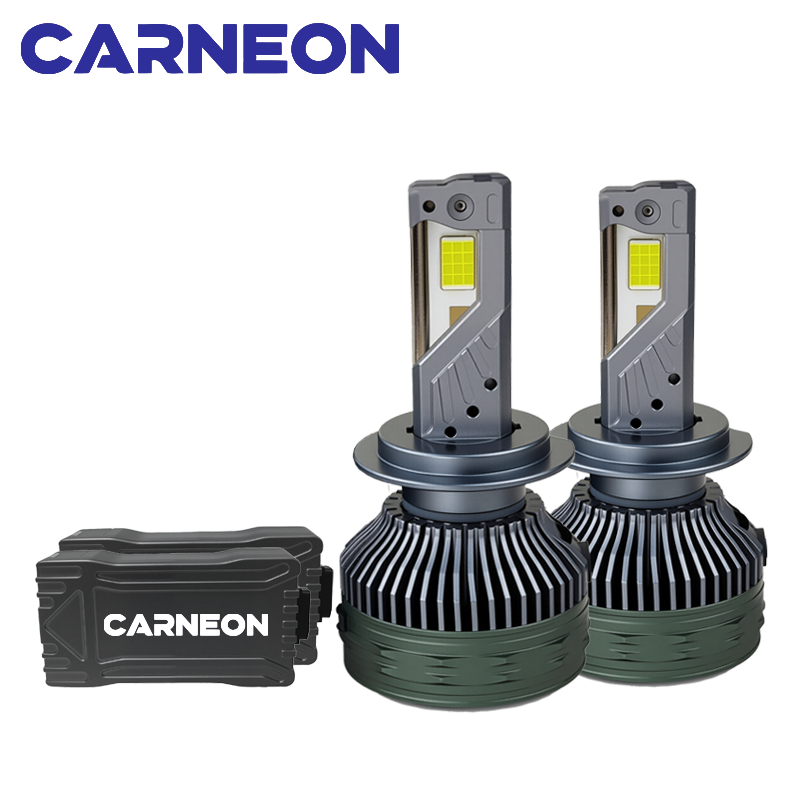
N12 High Power LED Headlight
Listed CARNEON LED headlight model for vehicle-specific fitment and electrical validation.
View Product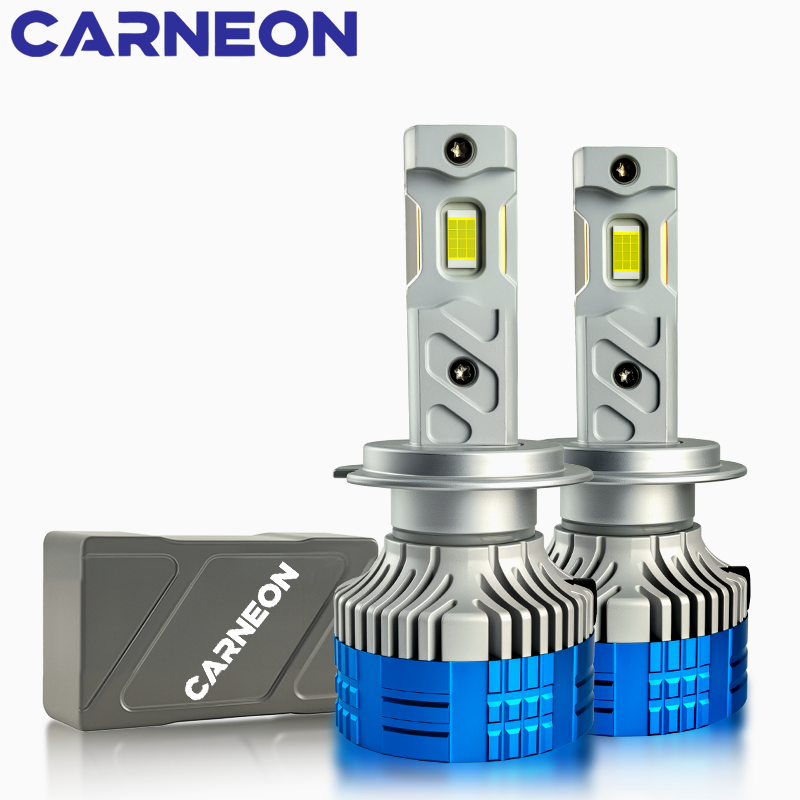
N4 Plug-and-Play LED Headlight
Listed CARNEON LED headlight model for vehicle-specific fitment and electrical validation.
View Product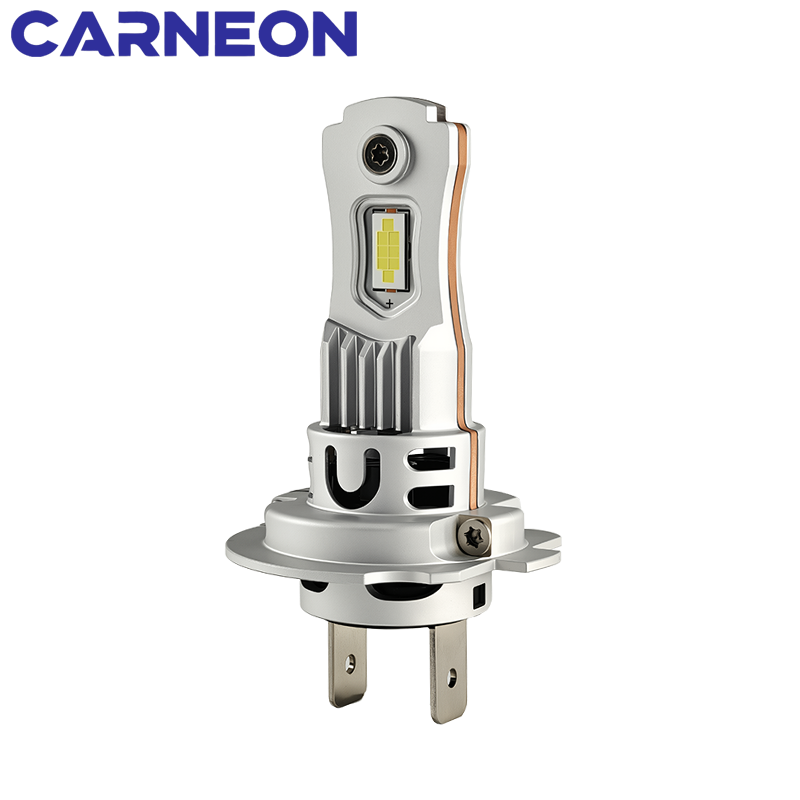
E1 Plug-and-Play LED Headlight
Listed CARNEON LED headlight model for vehicle-specific fitment and electrical validation.
View ProductFrequently Asked Questions
Is every 24V LED headlight compatible with every commercial vehicle?
No. Buyers must verify input requirements, bulb base, connector, clearance, diagnostic behavior, cooling and beam pattern for each vehicle application.
Why can a plug-and-play LED bulb still trigger a warning?
Vehicle lamp-monitoring strategies differ. A physical fit does not guarantee that the control module will accept the electrical load without a warning or flicker.
What should a commercial vehicle fitment trial include?
Record the vehicle identity, original bulb, connector, clearance, sealing, warning behavior, flicker, beam pattern, aim and representative operating conditions.
Does nominal 24V confirm electrical compatibility?
No. Compatibility depends on the verified input range and behavior of the LED driver under the target vehicle's actual operating conditions.
How should distributors manage multiple truck applications?
Maintain a verified vehicle compatibility matrix linked to the exact product model, bulb base, installation notes and approval evidence.
When should a fleet move from pilot to volume installation?
Only after representative vehicles meet the agreed electrical, mechanical, optical and thermal acceptance criteria with traceable records.
Recommended for you

Commercial Vehicle LED Headlight Vibration and Water-Ingress Fleet Acceptance

Commercial Vehicle LED Headlight Thermal Management and Fleet Validation
CAN Bus Compatibility Testing for Commercial Vehicle LED Headlights

Commercial Vehicle LED Headlight Beam Pattern and Glare Control
You May Also Like
Get More Resources
If you have any comments or good suggestions, please leave us a message, later our professional staff will contact you as soon as possible.
Start Your Wholesale Order / Request OEM Solutions
Partner directly with the factory for competitive pricing and priority support. Please provide your business details and estimated order volume (MOQ applies) so our sales engineers can tailor the best quote for your market.
Contact us


6th Floor, Building B, Liando U Valley, No. 29, Bishan Street, Huangpu District, Guangzhou, China

© 2026 CARNEON. All Rights Reserved. Privacy Policy | Terms and Conditions | Sitemap

Whatsapp: +8618688487142