


The Ultimate B2B Guide to Plug and Play LED Headlights: 1:1 Design, Specs & CANbus Solutions
In the competitive automotive aftermarket, stocking the right plug and play LED headlights is about more than just brightness—it is about precision, compatibility, and reliability. By prioritizing products with true 1:1 halogen dimensions, robust CANbus integration, and verified optical performance, wholesalers can significantly reduce return rates and build trust with installers. The E1 series represents the convergence of engineering excellence and market demand, offering a future-proof solution for your lighting inventory. Upgrade your product line today to meet the rigorous standards of modern driving.
- The Evolution of Automotive Lighting: Why 1:1 Design is the New Standard
- Market Shift from Bulky Drivers to Integrated All-in-One Designs
- The Impact of Installation Time on Auto Repair Shop Profitability
- Eliminating Dust Cover Modifications: The Advantage of True Halogen Size
- Reducing Return Rates Caused by Fitment Issues
- Critical Technical Specifications: Beyond the Marketing Fluff
- Lumen Density vs. Raw Lumens: Understanding Actual Light on the Road
- Thermal Management: Copper Substrates vs. Aluminum Heat Sinks
- Power Consumption: Balancing Wattage (W) for Longevity and Brightness
- IP65/IP68 Ratings: Ensuring Durability in Harsh Weather Conditions
- CANbus Compatibility and Electrical Integration
- How PWM (Pulse Width Modulation) affects LED performance
- Solving Dashboard Warning Lights and Radio Interference
- The Difference Between 'CANbus Ready' and External Decoders
- Specific Vehicle Compatibility Challenges
- Optical Precision: Beam Patterns and Safety Compliance
- The Importance of the Cut-off Line in Preventing Glare
- DOT (US) and ECE (Europe) Beam Pattern Requirements
- Comparison: Halogen Filament Position vs. LED Chip Placement
- Visualizing the Light Distribution: Spot vs. Flood Capabilities
- Inventory Strategy: Key Socket Types to Stock
- Dual-Beam Staples: H4/9003 and H13
- Single-Beam Essentials: H7, H11, 9005 (HB3), and 9006 (HB4)
- Understanding Universal vs. Vehicle-Specific Adapters
- Lifespan Data (L70) and Warranty Considerations for Wholesalers
- Conclusion
- FAQ
In the rapidly evolving automotive aftermarket, the transition from halogen to LED lighting is no longer a trend—it is the industry standard. For wholesalers, distributors, and auto repair shop owners, the market has matured beyond the early days of complex wiring harnesses and bulky ballasts. Today, success depends on stocking products that offer precision, ease of installation, and absolute reliability.
As a B2B stakeholder, your reputation hinges on the products you supply. A high return rate due to fitment issues or dashboard error codes can erode profit margins and damage relationships with professional installers. This comprehensive guide explores the critical aspects of modern LED headlight technology, focusing on 1:1 halogen replacement designs, technical specifications, and the intricacies of vehicle integration.
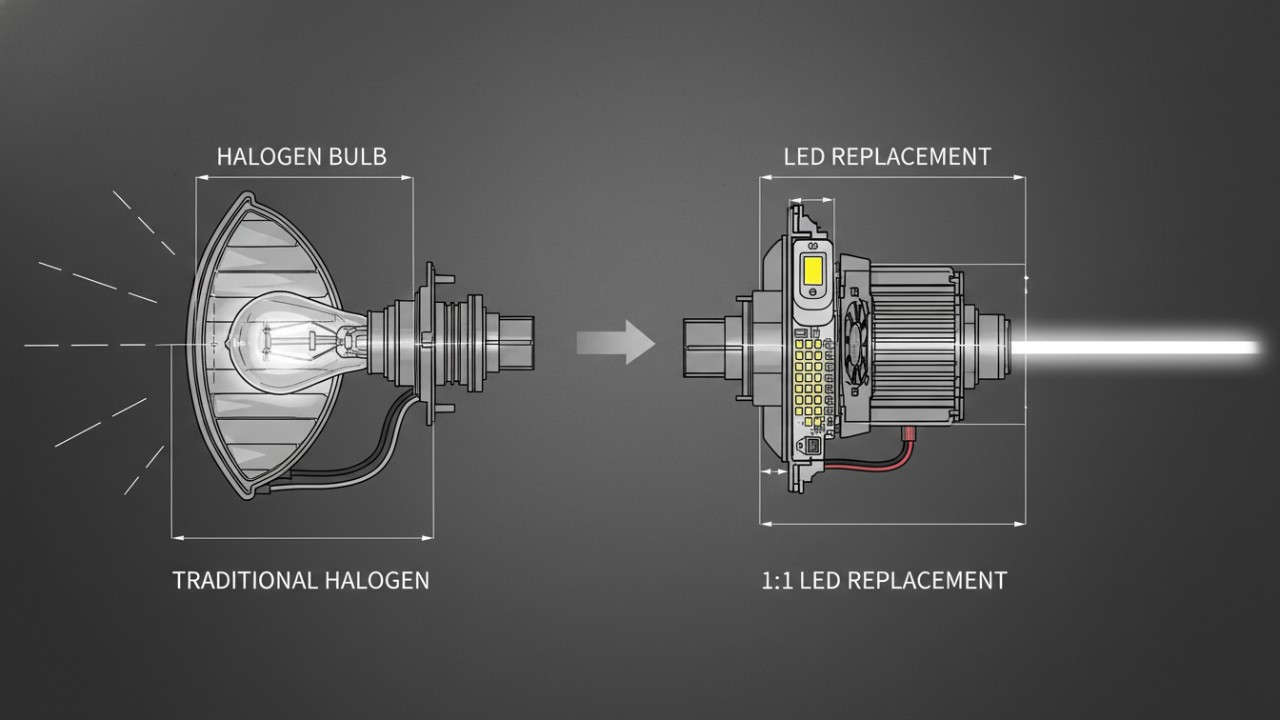
The Evolution of Automotive Lighting: Why 1:1 Design is the New Standard
The automotive lighting landscape has undergone a radical shift. In the early 2010s, converting a vehicle to LED often required drilling holes in dust covers, mounting external drivers with zip ties, and managing excessive cabling. This era is over. The market has decisively shifted toward integrated, all-in-one designs that mimic the exact form factor of the original bulb.
Market Shift from Bulky Drivers to Integrated All-in-One Designs
Early LED iterations relied on large external drivers to manage voltage and heat. While effective, these components made installation cumbersome, often requiring 30 to 60 minutes per vehicle. Modern engineering has allowed for the miniaturization of components, enabling manufacturers to integrate the driver directly into the bulb body without compromising thermal management. This evolution has birthed the true 1:1 halogen replacement, a product category that promises seamless integration.
The Impact of Installation Time on Auto Repair Shop Profitability
For your clients—the mechanics and shop owners—time is the most valuable currency. A "Plug and Play" solution that installs in 5 minutes versus a complex kit that takes 45 minutes significantly alters the profitability of a service bay. By stocking 1:1 design LEDs, you are effectively selling efficiency. Mechanics can turn over cars faster, increasing their daily ticket count, which makes your product line far more attractive than cheaper, bulkier alternatives.
Eliminating Dust Cover Modifications: The Advantage of True Halogen Size
One of the most frequent complaints regarding aftermarket LEDs is the inability to close the factory headlight housing dust cover. If the heat sink protrudes too far, the cover cannot seal, leaving the expensive headlight assembly exposed to moisture and debris.
A true 1:1 design mimics the exact physical dimensions of the halogen bulb, including the base, the distance from the locking tab to the heat sink, and the overall diameter. This ensures the factory dust cover fits perfectly, maintaining the IP rating of the headlight assembly and preventing condensation issues down the road.
Reducing Return Rates Caused by Fitment Issues
In the B2B sector, returns are a logistical nightmare. Data suggests that over 40% of LED headlight returns are due to "fitment issues"—essentially, the bulb physically not fitting into the tight spaces behind the headlight assembly. By prioritizing compact, 1:1 designs, wholesalers can drastically reduce these returns, streamlining operations and improving net margins.
Critical Technical Specifications: Beyond the Marketing Fluff
To navigate the crowded LED market, buyers must look past the astronomical lumen numbers printed on colorful boxes. Understanding the physics of automotive LED lighting specs is crucial for selecting high-quality inventory.
Lumen Density vs. Raw Lumens: Understanding Actual Light on the Road
Marketing often touts "Raw Lumens"—the theoretical maximum output of the LED chip in a lab setting. However, this metric is misleading. The critical metric is "Effective Lumens" or "Lux" measured at specific points on the road.
High lumen density is vital. An LED chip that is too large might produce a lot of light, but the reflector bowl cannot focus it effectively, resulting in scattered light. A smaller, high-intensity chip that matches the size of a tungsten filament provides better focus, throwing light further down the road where the driver needs it, rather than scattering it into the trees.
Thermal Management: Copper Substrates vs. Aluminum Heat Sinks
Heat is the enemy of LED longevity. As the temperature of the LED junction rises, luminosity drops (thermal droop) and the risk of failure increases.
· Copper Substrates: Premium LEDs utilize copper PCB boards. Copper has a thermal conductivity roughly twice that of aluminum, allowing heat to be pulled away from the chips rapidly.
· Heat Pipes: Advanced units often include a liquid-filled copper vacuum heat pipe, similar to computer cooling tech, to transfer heat to the rear heat sink instantly.
This brings us to the debate of fanless vs active cooling LED solutions.
· Fanless LEDs: Rely solely on passive aluminum heat sinks. They are silent and have no moving parts (eliminating fan failure as a risk). However, they are generally limited to lower wattages (15W-20W) to prevent overheating.
· Active Cooling (Fan): Uses a high-speed micro-fan to force air over the heat sink. This allows for higher power (30W-60W) and brighter output but introduces a mechanical component. For high-performance headlights, active cooling is usually preferred, while fanless is excellent for fog lights or smaller housings.
Power Consumption: Balancing Wattage (W) for Longevity and Brightness
There is a misconception that higher wattage is always better. While higher wattage generally correlates with brightness, it must be balanced with the cooling capacity. A 100W bulb in a small housing will likely overheat and dim within minutes. The "Sweet Spot" for plug-and-play LEDs is typically between 25W and 45W per bulb. This range offers a significant upgrade over halogen (usually 55W but less efficient) while remaining within safe thermal limits.
IP65/IP68 Ratings: Ensuring Durability in Harsh Weather Conditions
Automotive environments are harsh. The Ingress Protection (IP) rating indicates resistance to dust and water.
· IP65: Dust tight and protected against water jets.
· IP68: Dust tight and protected against continuous immersion in water.
For a component mounted in the front of a vehicle speeding through rain and snow, an IP65 rating is the minimum requirement, with IP68 being the standard for premium product lines to ensure longevity.
CANbus Compatibility and Electrical Integration
Modern vehicles are governed by complex computer systems. Simply plugging a low-resistance LED into a circuit designed for a resistive halogen bulb can confuse the car's ECU (Electronic Control Unit).
How PWM (Pulse Width Modulation) affects LED performance
Many modern vehicles use PWM to extend halogen bulb life or run Daytime Running Lights (DRL) at a lower voltage. PWM rapidly pulses the power on and off. A halogen filament, which glows hot, doesn't react fast enough to show this pulsing. An LED, however, reacts instantly, resulting in visible flickering.
Understanding Controller Area Network (CAN bus) mechanics is essential here. The vehicle's network monitors the circuit integrity. If the power consumption signature doesn't match the expected parameters, the CAN bus system triggers a fault.
Solving Dashboard Warning Lights and Radio Interference
CANbus ready LED bulbs are engineered to communicate effectively with the vehicle's computer.
1. Dashboard Errors: Since LEDs draw less power than halogens, the computer may assume the bulb is burnt out, triggering a "Check Headlight" warning.
2. Hyper-Flashing: Common in turn signals, but also impacts headlights in some systems.
3. Radio Interference (EMC): Cheap LED drivers can emit electromagnetic noise that disrupts FM radio signals. Quality drivers include EMC shielding to prevent this.
The Difference Between 'CANbus Ready' and External Decoders
A "CANbus Ready" bulb has built-in resistors and capacitors to mimic the electrical load of a halogen bulb. This works for 90-95% of vehicles. However, for the remaining 5-10% (often Dodge, Jeep, Ram, or high-end European cars), the built-in resistance is insufficient or the PWM signal is too aggressive.
In these cases, an external decoder (or "Canbus canceller") is required. This is an intermediate module that smoothes out the electrical signal and adds the necessary load to fool the computer.
Specific Vehicle Compatibility Challenges
Wholesalers must be aware that "Universal" doesn't always apply to electrical systems.
· Jeep/Dodge/Chrysler: Notorious for fussy electrical systems that require specific PWM decoders to prevent the lights from shutting off after a few minutes.
· BMW/Mercedes/Audi: Strict bulb-out monitoring often requires high-fidelity decoders.
Stocking a high-quality line of external decoders alongside your LED bulbs is a necessary strategy to ensure 100% vehicle coverage.
Optical Precision: Beam Patterns and Safety Compliance
Brightness without control is dangerous. The most critical aspect of an LED headlight is not how bright the bulb is, but where that light is directed.
The Importance of the Cut-off Line in Preventing Glare
A proper low-beam headlight must have a sharp "cut-off line." Below this line, the road is illuminated; above it, the light is blocked to prevent blinding oncoming drivers. This is achieved by the headlight housing's reflector or projector, but it relies entirely on the light source being in the correct position.
DOT (US) and ECE (Europe) Beam Pattern Requirements
Regulatory bodies have strict standards for beam patterns. In the United States, the Federal Motor Vehicle Safety Standard (FMVSS) No. 108 dictates the photometric requirements for automotive lighting. LEDs that do not conform to these standards are not only illegal for on-road use in many jurisdictions but also pose a significant liability risk.
Similarly, standards like the SAE International Lighting Standards provide guidelines for auxiliary lights and fog lamps, ensuring that the light output serves its purpose (cutting through fog) rather than creating a wall of glare (backscatter).
Comparison: Halogen Filament Position vs. LED Chip Placement
To achieve a compliant beam pattern, the LED chips must be placed in the exact same position as the original halogen filament. This is often referred to as "Optical Center."
· Chip Gap: The space between the two LED boards (back-to-back) should be as thin as possible. A thick copper board creates a "shadow" in the beam pattern. Premium LEDs have a chip gap of roughly 1mm or less, closely simulating the 360-degree emission of a tungsten filament.
Visualizing the Light Distribution: Spot vs. Flood Capabilities
· Low Beam: Needs a wide spread (flood) to see road shoulders and a sharp cut-off.
· High Beam: Needs a focused spot light to reach long distances.
A well-engineered LED bulb utilizes the vehicle's reflector geometry to optimize both. If an LED scatters light, the high beam will lack distance, and the low beam will lack width.
Inventory Strategy: Key Socket Types to Stock
For B2B wholesalers, inventory management is about maximizing coverage with minimal SKUs. Understanding H4 H7 H11 LED compatibility is the foundation of a solid catalog.
Dual-Beam Staples: H4/9003 and H13
These bulbs function as both high and low beams in a single unit.
· H4 (9003/HB2): extremely common in Japanese and older American vehicles.
· H13 (9008): Common in Ford trucks and Jeeps.
· Design Note: These LEDs must have a specific shield over the low-beam chips to create the cut-off line, as the housing often relies on the bulb for this geometry.
Single-Beam Essentials: H7, H11, 9005 (HB3), and 9006 (HB4)
These bulbs perform one function (either high or low beam).
· H11/H8/H9: The most popular low-beam bulb for modern vehicles (Toyota, Honda, Nissan, Ford).
· 9005 (HB3): Standard high beam for many vehicles.
· 9006 (HB4): Common low beam for older vehicles.
· H7: Ubiquitous in European cars (VW, BMW, Mercedes) and some Korean models (Hyundai/Kia).
Understanding Universal vs. Vehicle-Specific Adapters
While H11 and 9005 usually twist right in, H7 is the "troublemaker." Many European cars use a special plastic or metal retainer clip to hold the H7 halogen bulb. A standard LED heat sink prevents this clip from working.
Wholesalers must stock "H7 Adapters" or look for LED models specifically designed with removable collars or specialized "All-in-One H7" designs that incorporate the retainer clip into the bulb body.
Lifespan Data (L70) and Warranty Considerations for Wholesalers
Commercial buyers need assurance.
· L70 Standard: The time it takes for an LED to degrade to 70% of its original brightness. A high-quality LED should have an L70 of 30,000 to 50,000 hours.
· Warranty: Stocking brands that offer a 1-year to 2-year warranty builds trust. It signals that the manufacturer stands behind the thermal engineering and component quality.
Conclusion
In the competitive automotive aftermarket, stocking the right plug and play LED headlights is about more than just brightness—it is about precision, compatibility, and reliability. By prioritizing products with true 1:1 halogen dimensions, robust CANbus integration, and verified optical performance, wholesalers can significantly reduce return rates and build trust with installers. The E1 series represents the convergence of engineering excellence and market demand, offering a future-proof solution for your lighting inventory. Upgrade your product line today to meet the rigorous standards of modern driving.
FAQ
Question: What does '1:1 halogen size' actually mean for LED headlights?
Answer: It means the LED bulb mimics the exact physical dimensions of the original halogen bulb, including the base, heat sink position, and locking tab. This ensures the factory dust cover fits perfectly without modification.
Question: Do I need an extra CANbus decoder for these plug and play LEDs?
Answer: For 95-98% of vehicles, modern plug and play LEDs with built-in drivers handle the monitoring systems automatically. However, sensitive vehicles like certain Jeeps or European luxury cars may still require an external decoder.
Question: How do I ensure the LED beam pattern won't blind oncoming drivers?
Answer: Look for LEDs with a thin chip gap (close to 0.04 inches) that mimics the filament position of a halogen bulb. Proper alignment ensures a sharp cut-off line that keeps light directed at the road, not at other drivers.
Question: What is the lifespan difference between halogen and LED headlights?
Answer: Standard halogen bulbs typically last 500-1,000 hours, whereas high-quality plug and play LEDs are engineered to last between 30,000 to 50,000 hours, depending on the cooling technology used.
If you have more questions or need a professional solution, please feel free to contact us.
Recommended for you
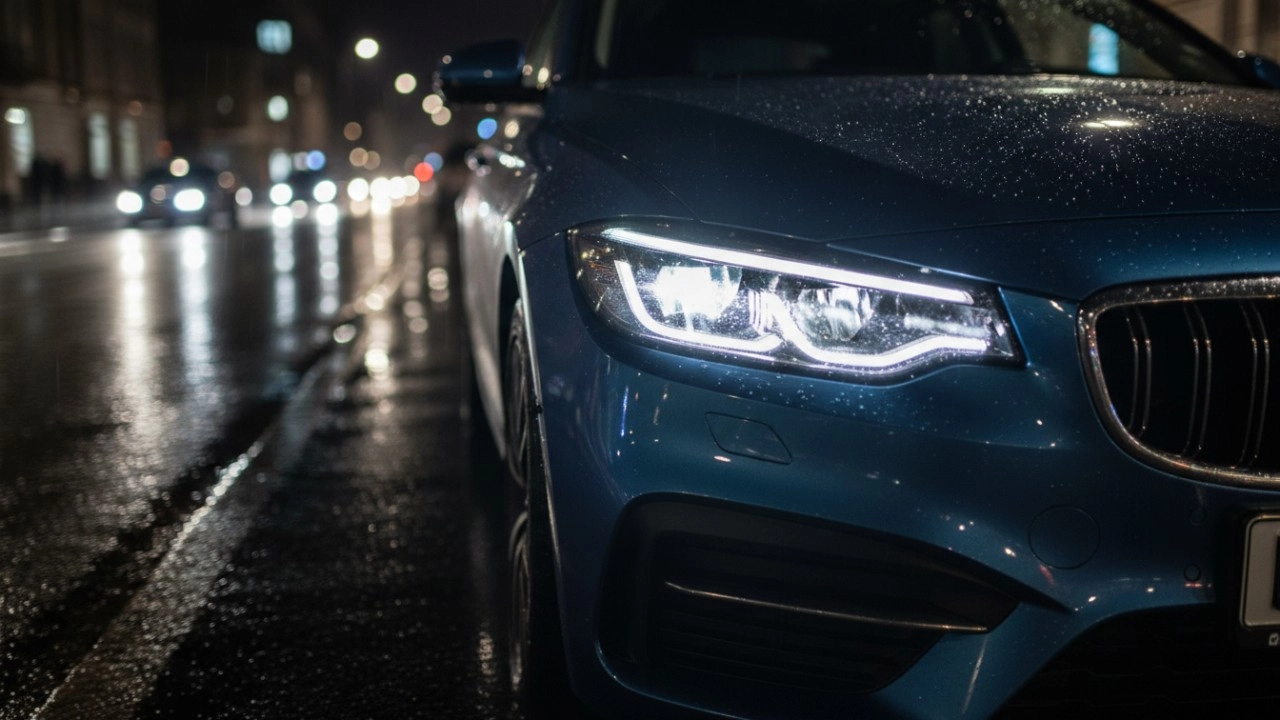
Why Your Customers Complain About LED Headlight Flickering (And How Our CANbus Solutions Fix It)
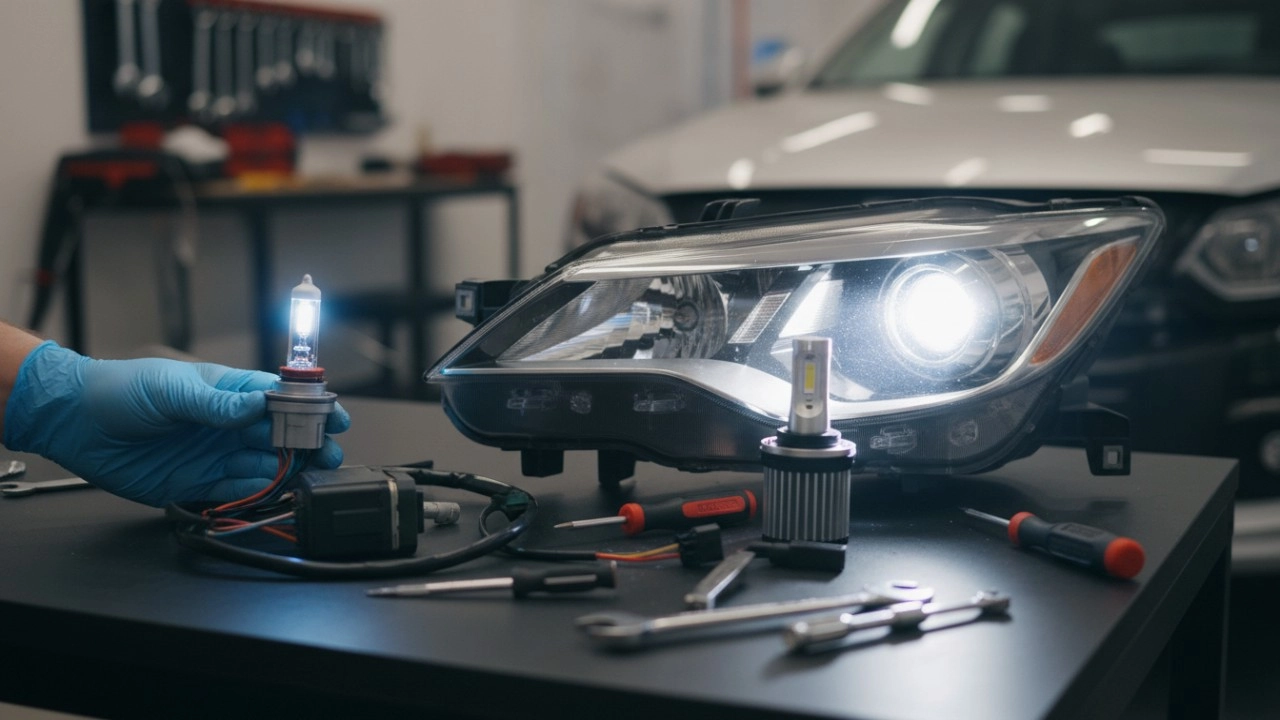
LED vs. HID vs. Laser: Which Headlight Technology is Actually the Brightest for 2026?
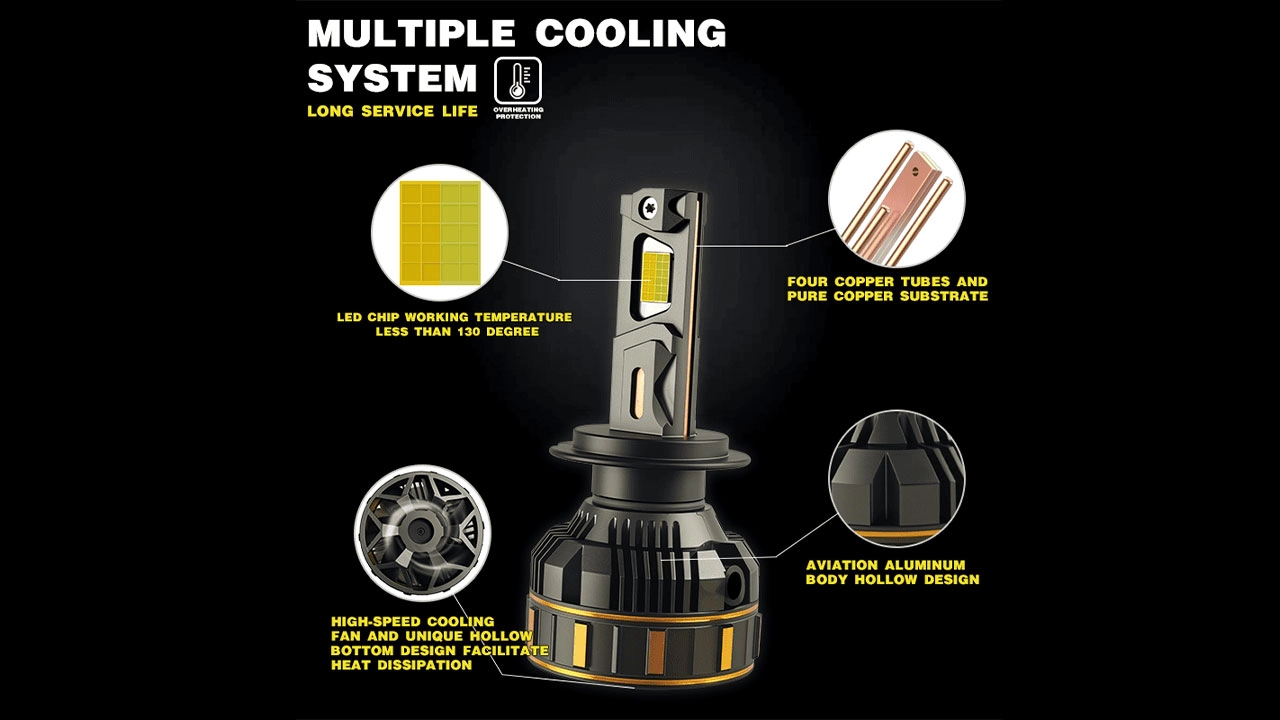
Evitek Launches Smart Control Headlight—N14 Series, Redefining Driving Lighting Experience
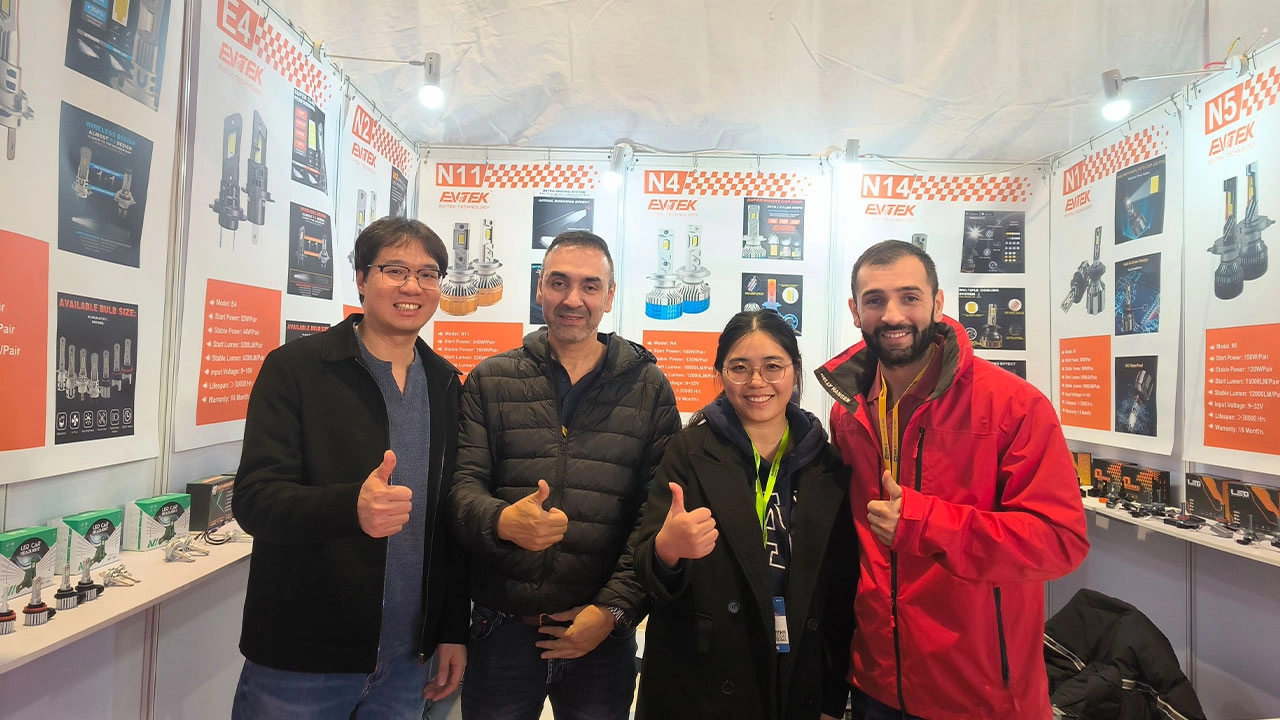
Evitek Showcases Next-Generation Lighting at Automechanika Shanghai 2025
FAQs
Brand
Are CARNEON headlights suitable for global markets?
Yes. CARNEON products are designed for diverse climates, voltages, and vehicle types, serving markets worldwide.
Company
Can I vist Evitek on site?
After-sale Service
How do l start working with you?
E1
Do you support OEM/ODM?
Yes, our R&D and design teams support full customization.
You May Also Like
Get More Resources
If you have any comments or good suggestions, please leave us a message, later our professional staff will contact you as soon as possible.
Start Your Wholesale Order / Request OEM Solutions
Partner directly with the factory for competitive pricing and priority support. Please provide your business details and estimated order volume (MOQ applies) so our sales engineers can tailor the best quote for your market.
Contact us


6th Floor, Building B, Liando U Valley, No. 29, Bishan Street, Huangpu District, Guangzhou, China

© 2026 CARNEON. All Rights Reserved. Privacy Policy | Terms and Conditions | Sitemap

Whatsapp: +8618688487142