


What warranty and certifications do LED headlight bulbs have? | Insights by CARNEON
- 1) If my LED headlight bulbs fail after two years, what documentation and steps will manufacturers actually require to honor the warranty—and does professional installation affect coverage?
- 2) I see 'DOT' and 'ECE' stamped on aftermarket LED bulbs—how can I verify those markings are genuine and what do they actually prove?
- 3) My bulbs claim IP68 and a 5-year warranty—if the headlamp housing develops condensation, will the warranty cover moisture damage?
- 4) Do manufacturers' warranties cover lumen depreciation and color shift over time—and what test standards should buyers request (LM‑79 / LM‑80 / TM‑21)?
- 5) If I add CANbus decoders, anti-flicker capacitors or adaptors, will I void the LED warranty?
- 6) I live in a different region from where the bulbs were purchased—do regional certifications (DOT in US, ECE in EU, CCC in China) affect my ability to claim warranty or file a return internationally?
- Concluding summary: Advantages of choosing certified, warrantied LED headlight bulbs
What warranty and certifications do LED headlight bulbs have?
When buying LED headlight bulbs you need clear answers about warranty coverage, compliance markings and test evidence (LM-79/LM-80, FMVSS 108, E‑mark). Below are six specific, buyer-focused questions that are often poorly answered online, with detailed, practical answers based on current industry standards and claim procedures.
1) If my LED headlight bulbs fail after two years, what documentation and steps will manufacturers actually require to honor the warranty—and does professional installation affect coverage?
What manufacturers typically require: proof of purchase (invoice with date and vendor), product serial number or batch code, photos or short video showing the failure (close-up of bulb, connector, and any damage), vehicle fitment details (make, model, year), and a short description of vehicle use and conditions (daily driving, off‑road, racing). Some brands also request the bulb in for diagnostic testing before replacement or refund.
Installation and warranty interaction: Most OEM and reputable aftermarket warranties require correct installation. If you had a professional installer or dealer fit the bulbs, that usually helps your case because the installer can certify correct fitment and absence of mechanical damage. However, many warranties are not voided purely by professional installation; they are voided by modifications that alter the electrical or thermal environment (for example cutting wires, modifying housings, or removing heat sinks). Always keep installation receipts and ask the installer to document connectors used, any adapters, and whether a CANbus decoder or resistor was fitted.
Practical tips to speed claims: register the product (if manufacturer registration is offered) immediately after purchase; store packaging with serial numbers; photograph the build codes; and note installation date. Expect a manufacturer to perform an RMA assessment—return shipping for initial evaluation is often required. If failure is due to a manufacturing defect (driver or LED chip failure), most reputable brands will replace or refund under their stated warranty term.
2) I see 'DOT' and 'ECE' stamped on aftermarket LED bulbs—how can I verify those markings are genuine and what do they actually prove?
What the markings mean: In the U.S., DOT (often accompanied by SAE markings) indicates the lamp claims compliance with FMVSS 108 photometric and functional requirements. In markets following UNECE rules, the E‑mark (an encircled 'E' with a number) indicates type approval under a specific ECE regulation (for LEDs: R128 for headlamp modules and R7/R87 for replacement lamps, depending on application and rear/front status). An E‑mark number lets you trace which authority issued the approval and sometimes the approval document reference.
How to verify: 1) Ask the seller for the approval certificate (type-approval or test report) and the exact E‑mark or DOT marking code. 2) For E‑marks, the approval number format (e.g., E4 12345) allows checking in some national approval agency databases—if unavailable, request a copy of the test report from the manufacturer or an authorized distributor. 3) For DOT/FMVSS108 claims, DOT compliance is not centrally searchable by bulb serial; request the manufacturer's compliance statement and independent photometric LM-79 test data showing beam pattern and candela distribution aligned with FMVSS108 criteria.
Red flags that indicate possible counterfeit or misleading claims: generic packaging with stamped 'DOT' but no approval number, missing serial/batch code, and no LM‑79 photometric data. Remember: a DOT or E‑mark on a bulb does not guarantee it's legal as a retrofit in every vehicle—many aftermarket LED retrofit bulbs are not approved for use in reflector housings and may be illegal despite markings.
3) My bulbs claim IP68 and a 5-year warranty—if the headlamp housing develops condensation, will the warranty cover moisture damage?
IP ratings (IP67/IP68) describe ingress protection of the unit itself: IP67 = dust tight and protected against 1m temporary immersion; IP68 = dust tight and specified immersion beyond 1m under manufacturer-specified conditions. These tests are performed on a sealed unit under controlled conditions, not on the entire vehicle headlamp assembly.
Warranty reality: Most warranties will cover manufacturing defects that lead to moisture ingress in the bulb assembly (driver or LED failure due to seal breach). However, warranties commonly exclude problems caused by the vehicle's headlamp housing (improper seals, cracked lens, or blocked drainage vents) or by improper installation that compromises seals. If condensation results from a poor housing vent or a cracked headlight bezel, the bulb manufacturer may deny coverage and recommend repairing or replacing the housing first.
How to prove it: Provide close-up photos of the bulb socket area, inside the headlamp before and after removal, and a photo of the housing exterior. If the bulb itself shows failed seals (corrosion on contacts, water intrusion inside driver enclosure), the manufacturer is more likely to accept a warranty claim. For peace of mind, choose bulbs with explicit IP test reports, and verify the test conditions (immersion depth/time) in the manufacturer's datasheet.
4) Do manufacturers' warranties cover lumen depreciation and color shift over time—and what test standards should buyers request (LM‑79 / LM‑80 / TM‑21)?
Important standards: LM‑79 is the electrical and photometric test procedure for LED lamps (measures lumen output, chromaticity, power, and spectrum). LM‑80 is the test method for measuring lumen maintenance of LED packages, modules and arrays. TM‑21 is the extrapolation method used to predict long-term lumen maintenance (e.g., L70 or L80) from LM‑80 data.
Warranty coverage for lumen depreciation: Many warranties focus on functional failure (no light or driver failure) rather than meeting an exact lumen output at year three. A minority of High Quality brands explicitly guarantee lumen maintenance (e.g., specifying that output will remain above X% at Y years under stated thermal conditions). If lumen maintenance is important, ask the manufacturer for LM‑79 photometric reports and LM‑80/TM‑21 based lumen maintenance projections for the specific LED package and driver used in the bulb.
What to request from suppliers: 1) LM‑79 report showing initial lumens and beam pattern; 2) LM‑80 report for the LED package(s) and the TM‑21 extrapolation used to predict L70/L80; 3) driver component MTBF or accelerated life test data. If a manufacturer cannot provide LM‑79/LM‑80/TM‑21 data, treat claims about long-term lumen life with caution.
5) If I add CANbus decoders, anti-flicker capacitors or adaptors, will I void the LED warranty?
What manufacturers usually state: Warranties typically cover defects in materials and workmanship under normal, intended use. Many explicitly exclude damage caused by unauthorized modifications, aftermarket electrical adapters, or improper installation. Adding third‑party CANbus decoders or resistors can change the electrical load, heat signature, or introduce voltage spikes that stress the driver—manufacturers often list these as exclusions.
Practical guidance: If your vehicle reports errors or flicker, first consult the bulb manufacturer for recommended, approved CANbus decoders or anti‑flicker modules—they often supply compatible parts or a recommended list. If you must use a third‑party decoder, retain purchase invoices and, if possible, use units recommended by the bulb maker. When you submit a warranty claim, disclose any decoders or resistors used and provide installation photos. Some manufacturers will still honor the warranty if failure was traced to the bulb, but many will refuse cover if the failure is linked to the external module.
6) I live in a different region from where the bulbs were purchased—do regional certifications (DOT in US, ECE in EU, CCC in China) affect my ability to claim warranty or file a return internationally?
Regional certification differences: Certification demonstrates compliance with a particular region’s regulations. DOT indicates compliance with U.S./FMVSS108 requirements; E‑mark relates to UNECE regulations used across Europe and many other countries; CCC is China Compulsory Certification. These are regulatory, not warranty statements—warranty coverage is a contractual matter between purchaser and seller/manufacturer.
Warranty and cross-border claims: Many manufacturers restrict warranty service to the original country of purchase or require returns to an authorized regional distributor. Warranty policies often state where repairs/replacements are processed and whether international shipping costs are covered. If you buy through an authorized international dealer, you are more likely to get local support; if you import goods from another region (e.g., buying EU-approved bulbs and shipping them to the U.S.), you may face limited warranty support and noncompliance issues for road legality.
Recommendations: Buy from a seller who provides regional support or clear international warranty terms. Ask whether the product is covered under a global warranty or only a regional warranty. Retain original receipts and request a written warranty statement that spells out cross-border claim procedures and who pays return shipping.
Concluding summary: Advantages of choosing certified, warrantied LED headlight bulbs
Buying certified and warrantied LED headlight bulbs reduces legal risk, improves long‑term reliability, and simplifies warranty claims. Certifications (DOT/FMVSS108, E‑mark/ECE R128/R112, IP67/IP68, LM‑79/LM‑80/TM‑21, and EMC/ISO vehicle test evidence) prove photometric performance, ingress protection, and electrical compatibility. A clear warranty (2–5 years is common among reputable brands) combined with available LM‑79/LM‑80 data, product serial numbers, and documented installation protects your purchase and helps you resolve failures rapidly.
For buyers: insist on LM‑79 photometry and LM‑80/TM‑21 lumen maintenance data, verify DOT or E‑mark numbers and approval documents, buy from authorized distributors to avoid counterfeit units, keep receipts and installation records, and follow manufacturer-recommended CANbus or decoder solutions to preserve warranty coverage.
If you need certified OEM‑grade LED headlight solutions or want a verified quote with LM‑79/LM‑80 reports and regional compliance (DOT/ECE) details, contact us for a quote at www.carneonlighting.com or email nick@evitekhid.com.
Recommended for you
Why Your Customers Complain About LED Headlight Flickering (And How Our CANbus Solutions Fix It)
The Ultimate B2B Guide to Plug and Play LED Headlights: 1:1 Design, Specs & CANbus Solutions
LED vs. HID vs. Laser: Which Headlight Technology is Actually the Brightest for 2026?
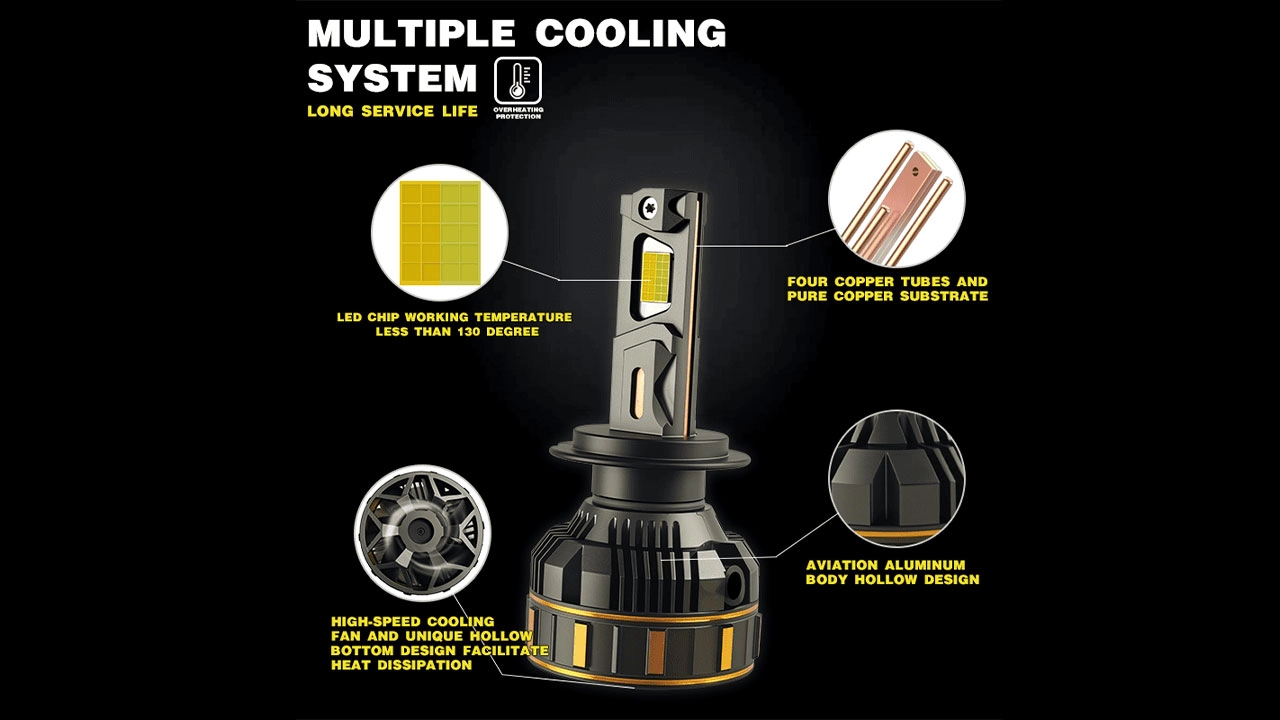
Evitek Launches Smart Control Headlight—N14 Series, Redefining Driving Lighting Experience
FAQs
E1
Do you offer samples?
Yes, paid samples or refundable samples are available.
After-sale Service
Do you provide installation or user manuals?
Can I cancel my order?
Product
What's the warranty for products?
You May Also Like
Get More Resources
If you have any comments or good suggestions, please leave us a message, later our professional staff will contact you as soon as possible.
Start Your Wholesale Order / Request OEM Solutions
Partner directly with the factory for competitive pricing and priority support. Please provide your business details and estimated order volume (MOQ applies) so our sales engineers can tailor the best quote for your market.
Contact us


6th Floor, Building B, Liando U Valley, No. 29, Bishan Street, Huangpu District, Guangzhou, China

© 2026 CARNEON. All Rights Reserved. Privacy Policy | Terms and Conditions | Sitemap

Whatsapp: +8618688487142