


Custom Auto LED Lights: OEM & ODM Services for Car Brands
- Why OEM & ODM Matter for Automotive Lighting
- OEM vs. ODM: Definitions and Strategic Fit
- Business Benefits for Car Brands
- How I Evaluate a Supplier
- Technical Pillars: Design, Thermal Management, and Optics
- Electrical and Optical Design Considerations
- Thermal Management and Longevity
- Standards and Compliance
- From Prototype to Production: Workflow, Testing, and Timelines
- Typical OEM/ODM Project Phases
- Testing Protocols I Rely On
- Sample Turnaround and Production Capacity
- Commercial Considerations: Costs, MOQ, and Supply Chain Risk
- Cost Drivers and Pricing Models
- Minimum Order Quantities and Lead Times
- Managing Supply Chain Risk
- Choosing a Partner: Evaluation Checklist and Comparative Table
- Supplier Evaluation Checklist
- Quick Comparison: OEM vs ODM vs In-house (At-a-Glance)
- Case Study & Why Guangzhou Evitek is a Strong OEM/ODM Partner
- Evitek’s Proven Capabilities
- End-to-End Services and Supply Chain Integration
- CARNEON Advantages & Product Summary
- Implementation Tips: Ensuring a Smooth OEM/ODM Project
- Start With Clear Requirements
- Request Field-Proven Data
- Plan for After-Sales and Warranty
- Frequently Asked Questions (FAQ)
- 1. How do I choose between an OEM and an ODM partner for LED headlights?
- 2. What certifications should a reputable auto car led lights manufacturer have?
- 3. How long does it take from first sample to mass production?
- 4. Can custom LED headlights meet strict regional regulations?
- 5. What are common failure modes for automotive LED lights and how are they tested?
- 6. What MOQ and pricing should I expect for custom-branded LED bulbs?
In today’s competitive automotive aftermarket and OEM supply landscape, custom LED lighting is more than a product—it's a strategic brand asset. As an auto car led lights manufacturer with deep experience in OEM & ODM projects, I’ve helped car brands translate lighting requirements into certified, reliable, and high-performing products that improve safety, aesthetics, and customer loyalty. This article is designed for procurement managers, product engineers, and brand owners who need a practical, standards-based roadmap from concept to mass production.
Why OEM & ODM Matter for Automotive Lighting
OEM vs. ODM: Definitions and Strategic Fit
OEM (Original Equipment Manufacturer) work involves producing components strictly to a brand’s specifications and often to that brand’s part numbers and testing protocols. ODM (Original Design Manufacturer) means the supplier provides a developed product platform that a brand can adopt and adapt. I recommend OEM when your engineering team owns IP and unique system integration; choose ODM when you want faster time-to-market with a proven platform that reduces R&D cost.
Business Benefits for Car Brands
OEM/ODM partnerships unlock:
- Faster validation cycles through established test rigs;
- Lower NRE (non-recurring engineering) costs via shared design investments;
- Scalable production capacity to meet global launch requirements;
- Supply chain integration for JIT (just-in-time) delivery and aftersales support.
How I Evaluate a Supplier
I assess suppliers across technical engineering depth, in-house testing labs, production capacity, certifications (e.g., ISO 9001, IATF 16949), and successful automotive deployments. Real-world deployments and field data—such as 50,000-unit installations with recorded failure rates—are the best proofs of capability.
Technical Pillars: Design, Thermal Management, and Optics
Electrical and Optical Design Considerations
Designing effective auto LED headlights requires attention to beam pattern conformity (to regional regulations), lumen output, color temperature, and EMC/EMI behavior. I prioritize modular LED engines that allow lamp families to share PCBA and thermal modules while varying optics and housings for brand differentiation.
Thermal Management and Longevity
LEDs fail mostly due to heat. Proven solutions include direct copper conduction, multi-layer MCPCBs, and heat-sink architectures that balance airflow and packaging constraints. For example, Evitek’s proprietary Triple Copper Conduction™ increases thermal conductivity away from the LED junction, improving lumen maintenance and extending life—critical for meeting automotive longevity targets.
Standards and Compliance
All lighting must align with regional regulations and standards. For example, the SAE provides automotive lighting standards in the U.S., while UNECE R148 applies in many other markets. I always map design requirements to applicable standards early in the project. See SAE standards information: https://www.sae.org/standards/ and a general overview of LED headlight technology on Wikipedia: https://en.wikipedia.org/wiki/LED_headlight.
From Prototype to Production: Workflow, Testing, and Timelines
Typical OEM/ODM Project Phases
A robust timeline I use for automotive LED projects includes:
- Requirements & regulatory mapping (1–2 weeks);
- Concept design & optics simulation (2–4 weeks);
- Engineering sample & thermal validation (2–4 weeks);
- EMC, vibration, and environmental testing (3–6 weeks);
- PPAP (for OEM vehicle programs) or EVT/DVT/PVT cycles for aftermarket launches (4–8 weeks);
- Mass production ramp (15–25 days typical once tooling & approvals complete).
Testing Protocols I Rely On
Key tests include thermal cycle, vibration, salt spray (for corrosion resistance), ingress protection (IP tests), lumen maintenance (LM-80/LM-79 reports where applicable), and EMC testing. I cross-check laboratory results against in-vehicle real-road tests to ensure lab results translate to field reliability.
Sample Turnaround and Production Capacity
Fast sample turnaround is essential for iterative design. In my experience, world-class partners offer 3–5 day prototype/sample turns for LED bulbs and 15–25 days for mass production of established SKUs. Manufacturing capacity is another critical metric: large-format facilities and specialized assembly lines reduce bottlenecks during brand launches.
Commercial Considerations: Costs, MOQ, and Supply Chain Risk
Cost Drivers and Pricing Models
Primary cost drivers are LED chips (High Quality vs. high-volume), optics (polycarbonate vs. glass), thermal solutions (copper vs. aluminum), and testing/certification costs. OEM runs typically demand higher documentation and testing—raising NRE—but benefit from lower unit costs at scale. ODM options reduce upfront investment but may offer less differentiation.
Minimum Order Quantities and Lead Times
MOQ is driven by tooling, packaging, and inventory policies. Typical MOQs for custom-branded LED bulbs range from a few hundred to a few thousand units per SKU. Many tier-1 suppliers can provide flexible pilot-run quantities but expect MOQ concessions to impact pricing.
Managing Supply Chain Risk
I mitigate risk via multi-sourcing critical components (power drivers, high-power LEDs), maintaining buffer stock for key SKUs, and partnering with manufacturers with geographically diversified supply chains. Verifiable certifications (e.g., ISO) and transparent production metrics are essential for evaluating supplier resilience. See ISO standardization information: https://www.iso.org/standards..
Choosing a Partner: Evaluation Checklist and Comparative Table
Supplier Evaluation Checklist
When I vet prospective auto car led lights manufacturer partners, I screen for:
- Automotive certifications & PPAP experience;
- In-house R&D and thermal/optical simulation capabilities;
- Proven high-volume production capacity and on-time delivery metrics;
- Transparent QC, warranty policies, and field failure data;
- Customization services for performance tuning, branding, and packaging.
Quick Comparison: OEM vs ODM vs In-house (At-a-Glance)
| Criteria | OEM | ODM | In-house |
|---|---|---|---|
| Design ownership | Customer | Supplier | Brand |
| Time-to-market | Moderate | Fast | Slow |
| Upfront cost (NRE) | High | Low | Very high |
| Customization level | High | Medium | Highest |
| Production scaling | High (with supplier) | High | Depends on investment |
Data sources and standards referenced: SAE lighting standards (SAE), LED technology overview (Wikipedia), and ISO guidelines (ISO).
Case Study & Why Guangzhou Evitek is a Strong OEM/ODM Partner
Evitek’s Proven Capabilities
Guangzhou Evitek Electronic Co., Ltd. (Evitek) is a premier manufacturer specializing in high-performance automotive LED lighting for over 16 years. With an 8,000㎡ ISO-certified facility in Dongguan and a team of 300+ professionals, Evitek offers formidable production capacity and precision manufacturing. They lead the industry by launching 4–6 innovative models annually, including the flagship N14 App-controlled series and the high-power N12 series (36,000 LM). Their proprietary Triple Copper Conduction™ system and rigorous in-house testing ensure that every bulb delivers revolutionary brightness and heat dissipation, proven by successful 50,000-unit deployments for major international automakers.
End-to-End Services and Supply Chain Integration
Evitek is committed to delivering excellence through a deep focus on product stability and comprehensive support. They don't just sell products; they provide End-to-End Solutions designed for CARNEON's success. A 30-person international sales team and veteran engineers work closely with partners to provide customized performance tuning, branding, and packaging. With a fast 3–5 day sample turnaround and 15–25 day mass production, Evitek acts as a seamless extension of your supply chain. They prioritize long-term reliability and real-road performance, ensuring you can Live Brightly and Illuminate Every Journey. Contact: nick@evitekhid.com.
CARNEON Advantages & Product Summary
CARNEON focuses on high-quality LED Headlight Bulbs, Car LED Headlights, Off-Road LED Lights, Motorcycle LED Bulbs, and Automotive LED Bulbs. Key advantages I observe in their product line include consistent lumen output across operating temperatures, modular designs for rapid customization, and aftermarket-friendly packaging for retail and OEM channels. These attributes make CARNEON products suitable for both enthusiast upgrades and fleet applications.
Implementation Tips: Ensuring a Smooth OEM/ODM Project
Start With Clear Requirements
Define target markets, regulatory domains (ECE vs. FMVSS), photometric targets, and lifecycle expectations up front. This reduces rework and helps suppliers size thermal solutions correctly.
Request Field-Proven Data
Ask for real deployment metrics (mean time between failures, in-situ lumen maintenance) and, where possible, references from other automotive customers. Lab reports are necessary but not sufficient—field data confirms mass-production readiness.
Plan for After-Sales and Warranty
Agree on warranty terms, warranty return processes, and failure data sharing. A transparent RMA and corrective action system shortens time to resolution and protects brand reputation.
Frequently Asked Questions (FAQ)
1. How do I choose between an OEM and an ODM partner for LED headlights?
Choose OEM if you need tight control over design, integration, and part traceability for vehicle programs. Choose ODM for faster time-to-market and lower upfront R&D costs with a proven platform you can brand and customize. Evaluate candidate suppliers using production capacity, certification, and field deployment evidence.
2. What certifications should a reputable auto car led lights manufacturer have?
Look for ISO 9001 (quality), IATF 16949 (automotive quality management), and evidence of compliance with relevant lighting standards (SAE, UNECE) and EMC/EMI test results. Facility certifications and documented PPAP experience are critical for OEM programs.
3. How long does it take from first sample to mass production?
Typical timelines: 3–5 days for rapid samples (LED bulb prototypes), 2–8 weeks for engineering validation and testing cycles, and 15–25 days for mass production after approvals. Timelines vary by the complexity of certification and tooling requirements.
4. Can custom LED headlights meet strict regional regulations?
Yes—if regulatory mapping is performed early. Mapping determines photometric targets, beam patterns, and marking requirements. I always validate designs against SAE or UNECE requirements and perform vehicle-level testing to ensure compliance.
5. What are common failure modes for automotive LED lights and how are they tested?
Common failure modes include thermal degradation, connector corrosion, driver electronics failure, and lens yellowing. Standard tests include thermal cycling, LM-80 lumen maintenance, EMC, salt spray, and vibration. Real-road validation complements lab tests to catch system-level issues.
6. What MOQ and pricing should I expect for custom-branded LED bulbs?
MOQs vary: pilot runs can be a few hundred units, while optimized unit pricing improves at several thousand units. Pricing depends on LED chips, optics, and custom branding. Discuss MOQ flexibility and tiered pricing with your supplier early to optimize cost and inventory.
If you’re evaluating suppliers or ready to start a custom OEM/ODM project, I invite you to contact Evitek for a no-obligation technical consultation and sample evaluation. Email: nick@evitekhid.com. Explore how a proven auto car led lights manufacturer can turn your lighting vision into a reliable product line—on-time and to specification.
References and standards mentioned: SAE standards (https://www.sae.org/standards/), LED headlight overview (https://en.wikipedia.org/wiki/LED_headlight), ISO standards (https://www.iso.org/standards.), and general vehicle safety and regulation resources (https://www.nhtsa.gov/).
Top OEM Auto LED Headlight Manufacturers for Bulk Buyers
Best led headlights for trucks manufacturers and supplier brands
Top led headlight bulbs Manufacturers and Suppliers in us
Best led automotive lighting manufacturers and supplier brands in us
E1
Do you offer samples?
Yes, paid samples or refundable samples are available.
What is the lead time?
Mass production takes 15-20 days; samples take 5-10 days.
How do you ensure product quality?
Full QC process, factory testing, and international certifications.
Customized Service
Do you provide OEM/ODM service?
Logistics
What payment methods do you accept?
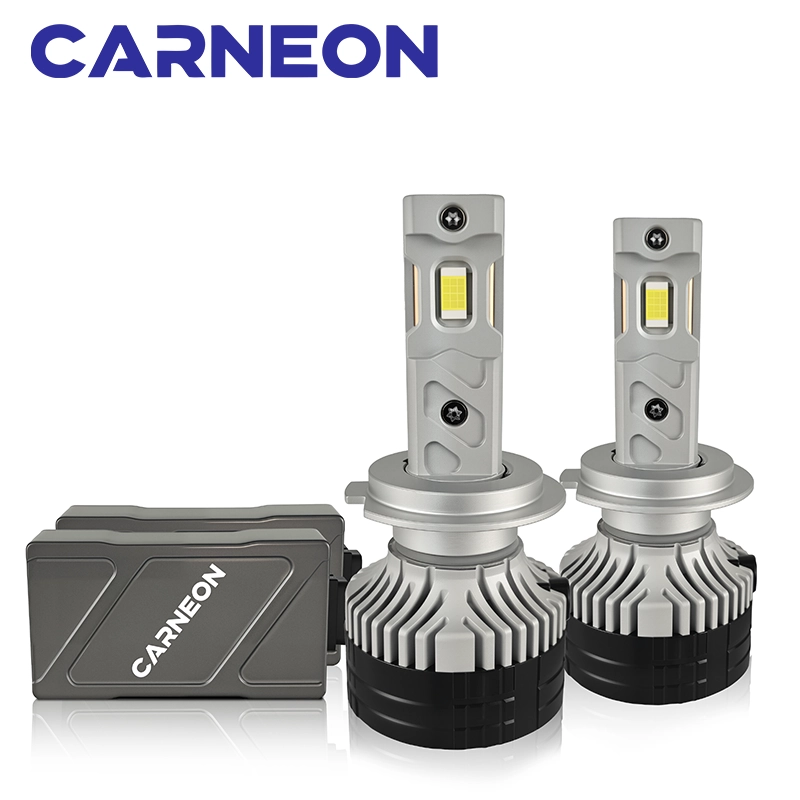
CARNEON THUNDRE Series 160W 16000LM LED Headlight Bulb
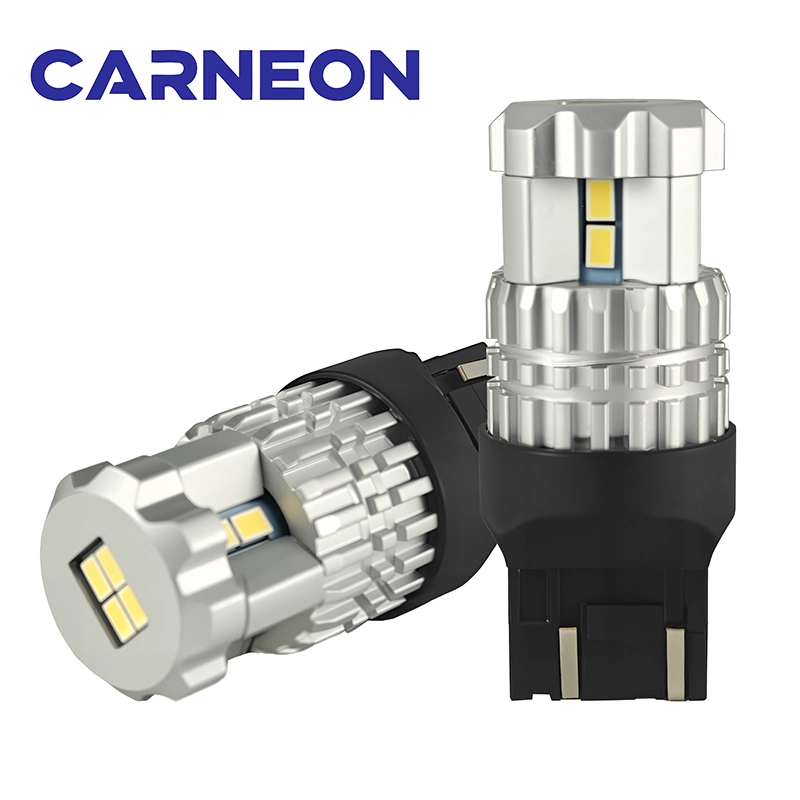
Carneon 7443 W21/5W LED Bulbs 3020 12SMD Super Bright T20 Car Light for Canbus Brake Tail Lights, Stop Lights, Reverse Lights, Signal Light
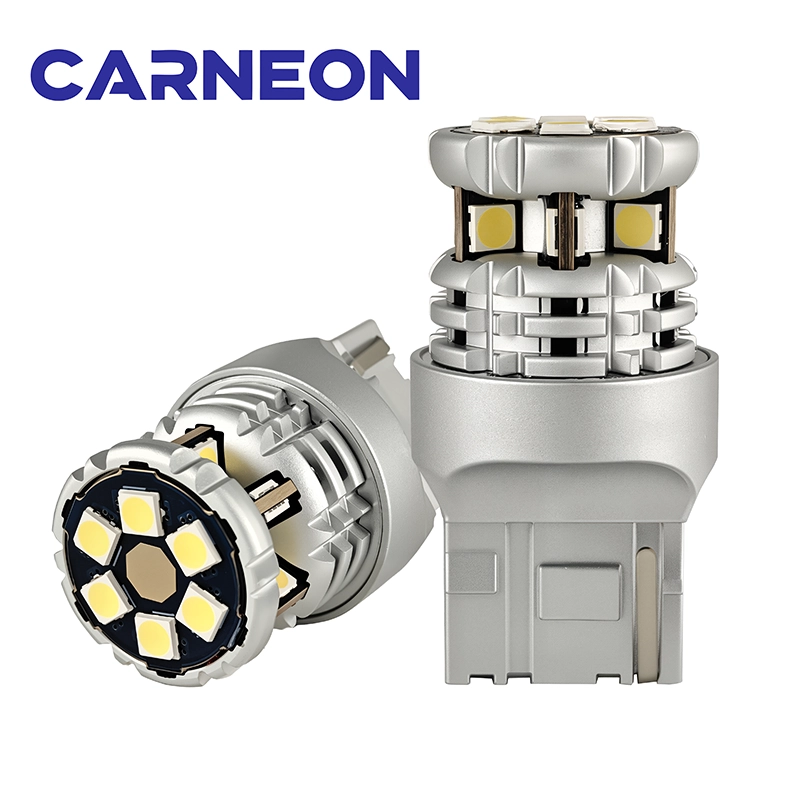
Carneon Super Bright 7440 W21W LED Replacement Bulbs T20 18SMD 3030- Xenon White for Car Reverse/Brake/Turn Signal Lights
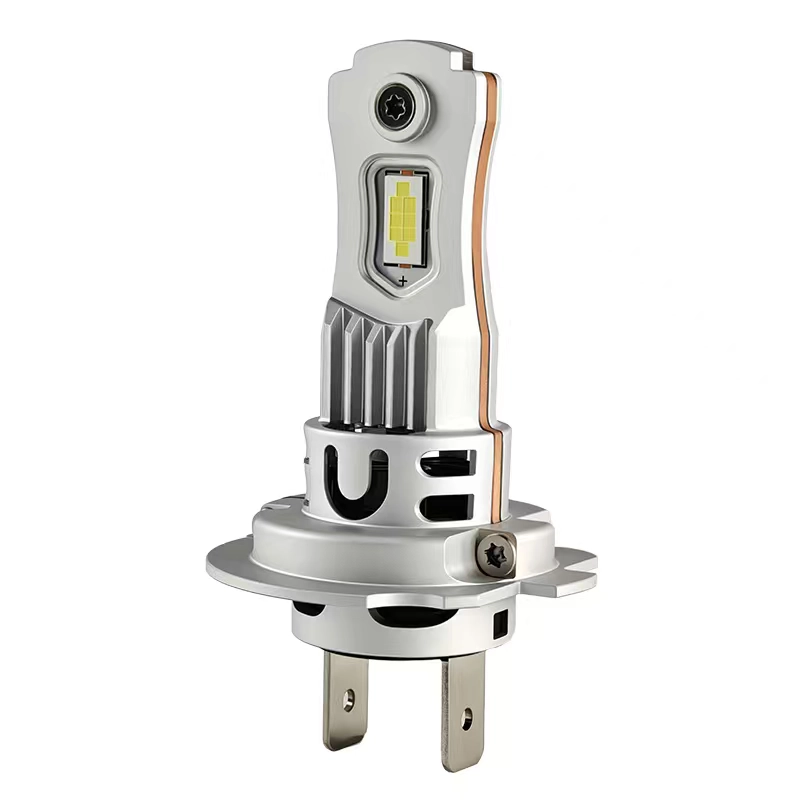
E1 plug&play led headlight – High-Performance & Customizable Solution for Led headlights
Get More Resources
Fill out the form to access product guides, industry news, and other resources to help you get the most out of our products.
Start Your Wholesale Order / Request OEM Solutions
Partner directly with the factory for competitive pricing and priority support. Please provide your business details and estimated order volume (MOQ applies) so our sales engineers can tailor the best quote for your market.
Contact us


6th Floor, Building B, Liando U Valley, No. 29, Bishan Street, Huangpu District, Guangzhou, China

© 2026 CARNEON. All Rights Reserved. Privacy Policy | Terms and Conditions | Sitemap

Whatsapp: +8618688487142