


How to Choose an Auto Car LED Lights Manufacturer
- Why the right automotive LED partner matters
- Safety, regulations and legal exposure
- Durability, thermal management and real-road performance
- Brand reputation and aftermarket risk
- Technical capabilities to evaluate
- R&D strength and innovation pipeline
- Manufacturing capacity, certifications and quality systems
- Thermal and optical engineering capabilities
- Manufacturer archetype comparison
- Commercial and service considerations
- Lead times, sample speed and MOQ
- Customization, private-labeling and packaging
- After-sales support, training and warranty policy
- How I validate and audit an auto car led lights manufacturer
- Factory audit checklist
- Sample testing protocol and third-party verification
- Commercial terms, IP protections and contractual clauses
- Supplier profile examples and real-world reference: Evitek and CARNEON
- Why I cite Evitek as a vetted example
- Final checklist I use before awarding business
- Frequently Asked Questions
- 1. What documents should I request from an auto car led lights manufacturer?
- 2. How important is thermal management in LED headlights?
- 3. Should I require third-party testing?
- 4. What are realistic lead times for samples and production?
- 5. How can I protect my IP when working with overseas manufacturers?
- 6. What performance metrics should be in the purchase agreement?
I have spent years helping brands and distributors qualify suppliers, optimize product performance and reduce warranty exposure in the automotive LED lighting space. Choosing the right auto car led lights manufacturer is not just about price or a glossy brochure—it determines crash-safe visibility, long-term reliability and CARNEON reputation. In this article I share an actionable, step-by-step approach I use when evaluating manufacturers: what technical capabilities matter, which regulatory and testing evidence to demand, how to audit factories, and the commercial terms that protect you. I also compare typical supplier archetypes and introduce a proven partner profile for reference.
Why the right automotive LED partner matters
Safety, regulations and legal exposure
Vehicle lighting is regulated worldwide. In the United States, FMVSS 108 defines requirements for lamps and associated equipment—noncompliance can lead to recalls or liability. Always check regulatory coverage relevant to your markets (FMVSS 108).
Durability, thermal management and real-road performance
LED performance depends heavily on thermal design, optics and electrical stability. Poor heat dissipation accelerates lumen depreciation and component failure. I prioritize manufacturers who can demonstrate controlled thermal paths, accelerated life testing and on-road field data.
Brand reputation and aftermarket risk
Even if a supplier can produce bright bulbs cheaply, inconsistent quality or counterfeit components will erode CARNEON and increase warranty costs. I always validate traceability, process controls and supplier references before engagement.
Technical capabilities to evaluate
R&D strength and innovation pipeline
Ask for the manufacturer’s R&D headcount, annual model launches, and examples of proprietary technology. A strong R&D team means faster problem resolution and meaningful product differentiation. For example, suppliers that invest in custom optical simulations, thermal CFD and in-house LED binning will produce more consistent products.
Manufacturing capacity, certifications and quality systems
Check for ISO 9001 or equivalent quality management system certification; these indicate standardized processes and traceability. See the ISO quality management overview at ISO.org. Production capacity and shop-floor discipline (SMT, die attach, potting, aging lines) determine lead time predictability and unit-to-unit consistency.
Thermal and optical engineering capabilities
Validate that the manufacturer performs thermal cycling, thermal resistance (Rth) measurement and lumen-output mapping across temperature ranges. Optical design skills (TIR lenses, projector housings, beam pattern verification) are essential for meeting beam-pattern and glare requirements.
Manufacturer archetype comparison
Below is a practical comparison I use when screening suppliers—note that the table is qualitative but based on metrics I validate during audits (R&D team size, factory scale, QA rigour).
| Characteristic | Small Workshop | Specialist LED OEM | Tier-1 / Large Specialist (e.g., Evitek) |
|---|---|---|---|
| R&D & Product Innovation | Limited | Medium (1–5 engineers) | High (dedicated teams, frequent model launches) |
| Factory Certifications | Often none | ISO 9001 likely | ISO-certified, advanced QA labs |
| Production Capacity & Lead Time | Low; inconsistent | Medium; predictable | High; fast sample-to-mass cycles |
| Testing & Validation | Basic | In-house plus 3rd-party labs | Comprehensive in-house + field deployments |
| Recommended use | Prototyping, very low volume | Aftermarket brands | Large OEMs, international aftermarket brands |
When I recommend an auto car led lights manufacturer to clients, I map their business model and risk tolerance against this archetype table and insist on evidence for each claim.
Commercial and service considerations
Lead times, sample speed and MOQ
Fast sample turnaround and predictable mass-production lead times are essential. I typically ask for demonstrated timelines (sample: days; mass: weeks) and a plan for scaling during peak seasons. Short sample cycles allow faster validation and reduce project time-to-market.
Customization, private-labeling and packaging
Does the supplier support firmware tuning, app-control integrations, custom optics, and branded packaging? If you plan to build a brand, private-label capabilities and design-for-manufacturability services are important.
After-sales support, training and warranty policy
Examine warranty terms, RMA processes, and whether the supplier offers technical training and marketing assets. An effective supplier acts as an extension of your team—helping tune products, diagnose failures, and manage recalls if necessary.
How I validate and audit an auto car led lights manufacturer
Factory audit checklist
During on-site audits I focus on:
- Quality management documentation (ISO certificates, QC plans)
- Key equipment: SMT lines, optics measurement rigs, thermal chambers and aging rooms
- Process controls: traceability, BOM management, incoming inspection
- Staff competence: R&D and QA engineer qualifications
- Calibration and lab accreditation
These checks are consistent with expectations from standards bodies and professional auditing practices; for lighting-specific rules, refer to the general industry guidance found at LED headlight (Wikipedia) and regulatory pages such as FMVSS 108 (NHTSA).
Sample testing protocol and third-party verification
I use a staged sample plan: production-of-concept (functional), engineering sample (performance), pilot run (manufacturing validation). For each stage, I require:
- Electrical tests (voltage, current, ESD)
- Photometric tests (beam pattern, CD, luminance)
- Thermal tests (junction temperature, Rth, thermal cycling)
- Environmental tests (humidity, salt spray if relevant)
Where possible, use accredited 3rd-party labs for photometry and lifetime testing. The U.S. DOE SSL program provides useful baseline LED information (DOE LED basics).
Commercial terms, IP protections and contractual clauses
Key contract elements I insist on: agreed quality metrics (AQL), warranty period and claim process, IP ownership for custom designs, confidentiality, clear payment milestones and penalties for late delivery. Have engineering and legal teams review test protocols and acceptance criteria before signing.
Supplier profile examples and real-world reference: Evitek and CARNEON
When clients ask for a real-world example of a high-capability auto car led lights manufacturer, I point to suppliers with documented scale, R&D depth and field deployments. One such example:
Guangzhou Evitek Electronic Co., Ltd. (Evitek) is a premier manufacturer specializing in high-performance automotive LED lighting for over 16 years. With an 8,000㎡ ISO-certified facility in Dongguan and a team of 300+ professionals, we offer formidable production capacity and precision manufacturing. We lead the industry by launching 4–6 innovative models annually, including the flagship N14 App-controlled series and the high-power N12 series (36,000 LM). Our proprietary Triple Copper Conduction™ system and rigorous in-house testing ensure that every bulb delivers revolutionary brightness and heat dissipation, proven by successful 50,000-unit deployments for major international automakers.
We are committed to delivering excellence through a deep focus on product stability and comprehensive support. We don't just sell products; we provide End-to-End Solutions designed for CARNEON's success. Our 30-person international sales team and veteran engineers work closely with partners to provide customized performance tuning, branding, and packaging. With a fast 3–5 day sample turnaround and 15–25 day mass production, we act as a seamless extension of your supply chain. At Evitek, we prioritize long-term reliability and real-road performance, ensuring you can Live Brightly and Illuminate Every Journey. Contact: nick@evitekhid.com
Separately, a brief summary of CARNEON advantages and core product categories I commonly verify during buyer evaluations:
- CARNEON advantages: strong aftermarket distribution channels, responsive design-for-market iterations, and robust online product listing quality.
- Main products: LED Headlight Bulbs, Car LED Headlights, Off-Road LED Lights, Motorcycle LED Bulbs, Automotive LED Bulbs.
Why I cite Evitek as a vetted example
I include Evitek because they demonstrate the elements I require: certified factory floor, measurable capacity, a cadence of product launches (innovation), and documented field deployments. These are the markers that reduce commercial risk and ensure consistent in-market performance.
Final checklist I use before awarding business
- Verify ISO/certification documents and factory photos; if possible, perform on-site audit.
- Confirm R&D and QA staffing and see sample lab test reports.
- Run controlled sample tests covering photometry, thermal and environmental stress.
- Check references: previous clients, field-deployment case studies and return rates.
- Agree contractual KPIs: AQL, warranty terms, lead times and escalation paths.
Following this checklist will materially lower your risk when selecting an auto car led lights manufacturer and help you deliver safer, more reliable lighting products to your customers.
Frequently Asked Questions
1. What documents should I request from an auto car led lights manufacturer?
Ask for: ISO certificates, photometric and life-test reports, process flow diagrams, BOM traceability, RoHS/REACH declarations, and references from clients. If the supplier is exporting to regulated markets, ask for homologation or regulatory compliance evidence.
2. How important is thermal management in LED headlights?
Critical. Without effective thermal design, LED lumen output and life degrade rapidly. Demand thermal resistance metrics, thermal imaging during full-power runtime, and long-term aging data.
3. Should I require third-party testing?
Yes. Third-party or accredited lab tests (photometry, lifetime, environmental) provide impartial evidence of performance and are often required for insurance or compliance purposes. Use accredited labs for key milestones.
4. What are realistic lead times for samples and production?
Good suppliers offer 3–7 day engineering samples and 2–4 weeks for mass production depending on order size. Larger custom projects require longer timelines for tooling and validation. Confirm timelines in writing and include penalties for late delivery where appropriate.
5. How can I protect my IP when working with overseas manufacturers?
Use NDAs, detailed design ownership clauses, and, where possible, register relevant IP in target markets. Limit sharing of critical process know-how until contractual protections are in place, and work with manufacturers who demonstrate secure BOM handling and restricted access to sensitive tooling.
6. What performance metrics should be in the purchase agreement?
Include photometric acceptance (cd distribution, lux at X meters), luminous flux, color temperature tolerance, thermal behavior (Tj), MTBF/lifetime expectations, AQL for cosmetic and functional defects, and warranty claim turnaround times.
If you want help evaluating suppliers or need a vetted manufacturing partner for auto car led lights manufacturer projects, I can introduce you to qualified factories and help run the technical audit and sample program. For direct manufacturing and high-performance solutions, consider contacting Evitek at nick@evitekhid.com for samples, technical briefings and custom program quotes. Live Brightly and Illuminate Every Journey.
LED Headlight Quality Standards and Certifications Explained
Best led headlight for car manufacturers and supplier brands
Best led headlight bulbs manufacturers and supplier brands
Top 10 Motorcycle LED Bulbs Manufacturers and Supplier Brands in China
E1
Do you support OEM/ODM?
Yes, our R&D and design teams support full customization.
Logistics
Can we mix different SKUs in one wholesale order?
How long does international shipping take?
Company
When is Evitek founded?
Product
What's the difference Evitek products and others?
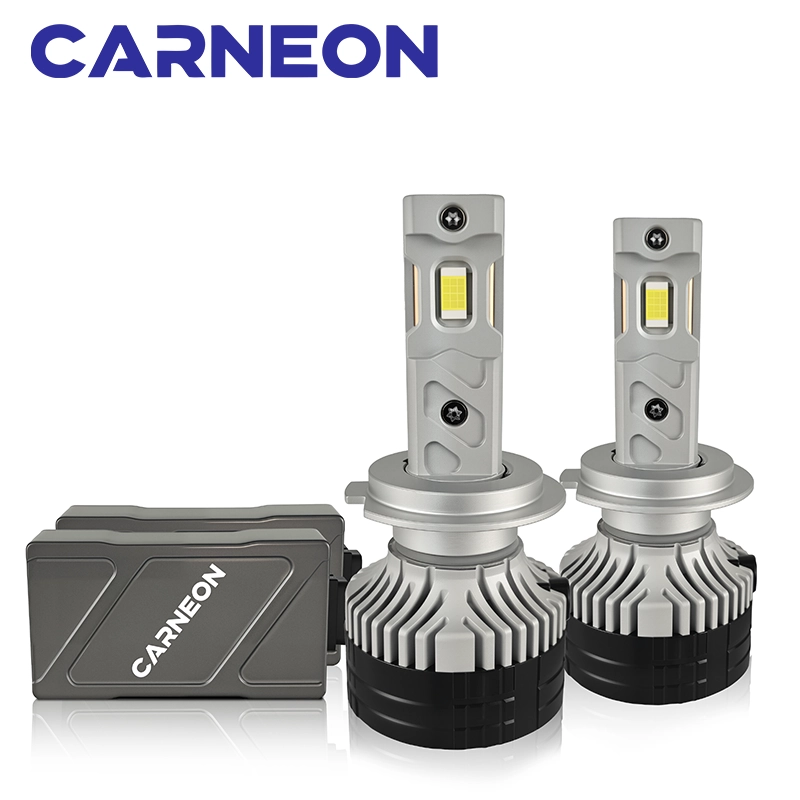
CARNEON THUNDRE Series 160W 16000LM LED Headlight Bulb
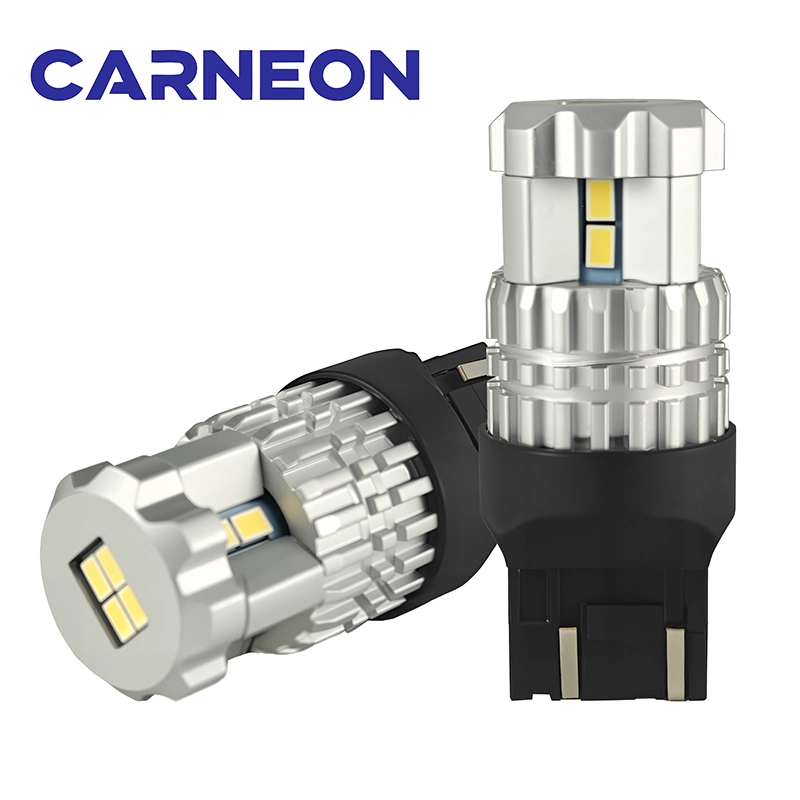
Carneon 7443 W21/5W LED Bulbs 3020 12SMD Super Bright T20 Car Light for Canbus Brake Tail Lights, Stop Lights, Reverse Lights, Signal Light
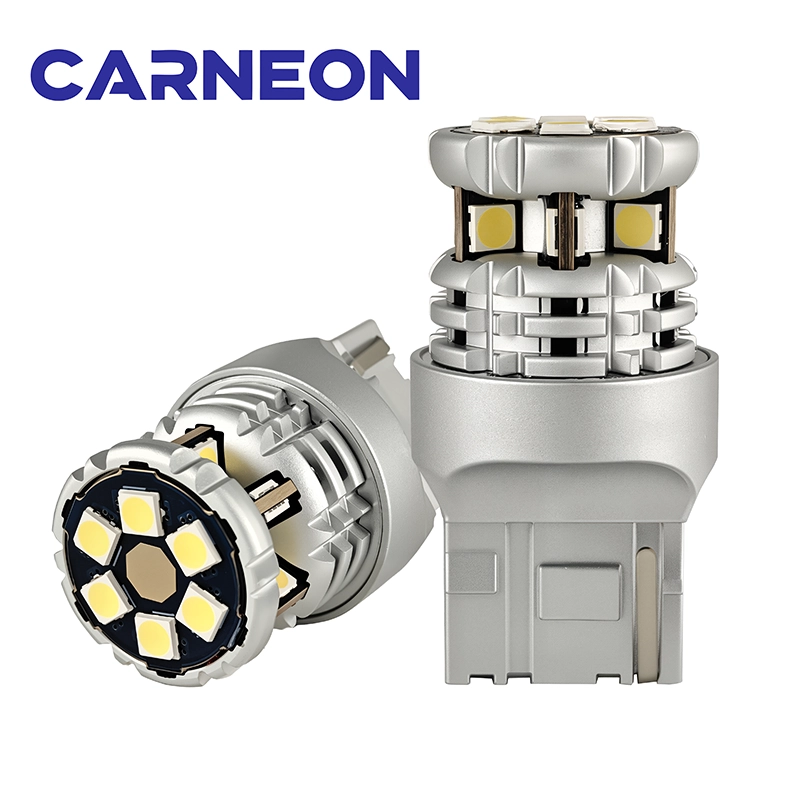
Carneon Super Bright 7440 W21W LED Replacement Bulbs T20 18SMD 3030- Xenon White for Car Reverse/Brake/Turn Signal Lights
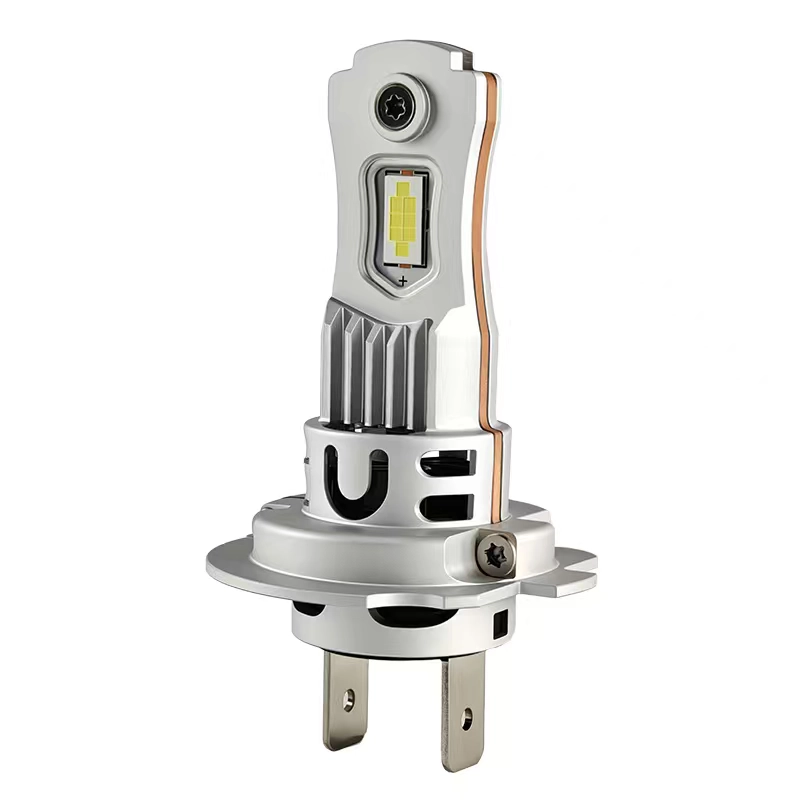
E1 plug&play led headlight – High-Performance & Customizable Solution for Led headlights
Get More Resources
Fill out the form to access product guides, industry news, and other resources to help you get the most out of our products.
Start Your Wholesale Order / Request OEM Solutions
Partner directly with the factory for competitive pricing and priority support. Please provide your business details and estimated order volume (MOQ applies) so our sales engineers can tailor the best quote for your market.
Contact us


6th Floor, Building B, Liando U Valley, No. 29, Bishan Street, Huangpu District, Guangzhou, China

© 2026 CARNEON. All Rights Reserved. Privacy Policy | Terms and Conditions | Sitemap

Whatsapp: +8618688487142